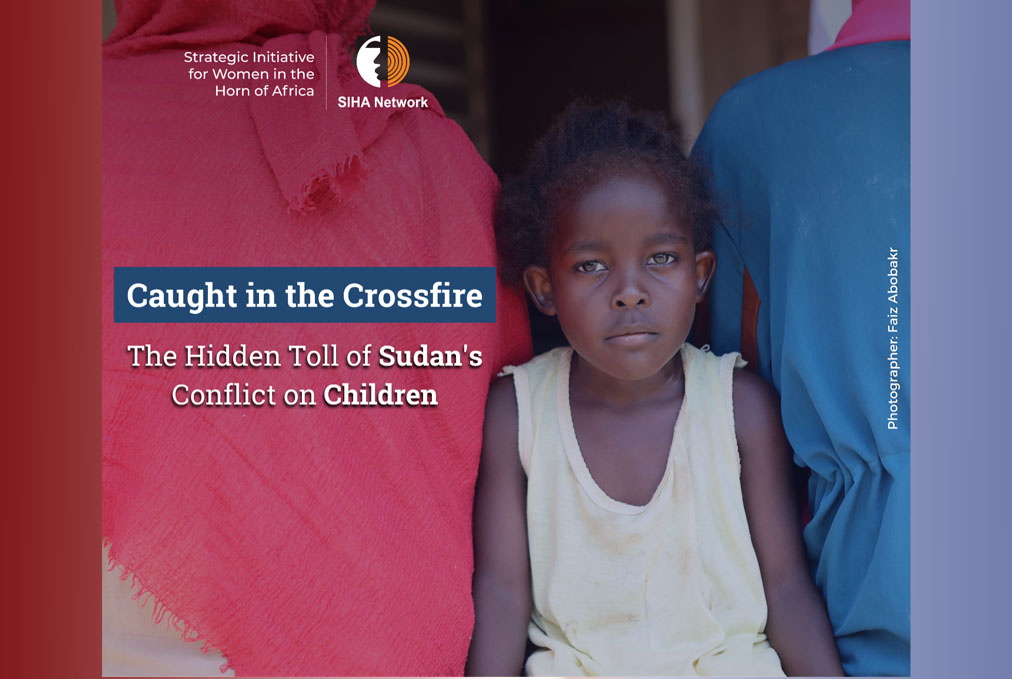
Press Statement – Caught in the Crossfire: The Hidden Toll of Sudan’s Conflict on Children


(Arabic translation below) 


Sudan has been one of the most perilous countries for children, even before the outbreak of the current conflict. Despite being among the first nations to ratify the United Nations Convention on the Rights of the Child in 1991 and to incorporate its provisions into domestic laws and policies, successive Sudanese governments have failed to invest in the implementation of child protection. Sudan also ratified the African Charter on the Rights and Welfare of the Child in 2005. Unfortunately, Sudanese personal status laws continue to legitimize sexual violence against girls, including the child, early and forced marriage of girls as young as ten years old. Legal protection for the girl child remains virtually nonexistent, depriving them of the opportunity to grow up in safety. 

Since the outbreak of war in Sudan on April 15, 2023, there has been a devastating rise in conflict-related sexual violence (CRSV), with women, girls, and children being brutally targeted without fear of punishment or accountability. Through our ongoing documentation of these crimes, SIHA Network has identified that 23.15% of CRSV cases involve girls, highlighting the horrific reality they face in Sudan amid this conflict. Furthermore, SIHA has recorded numerous instances of sexual violence against boys, and we believe that many more atrocities committed against children remain unreported.

The widespread violations against children in Sudan call for immediate intervention and the creation of effective protection mechanisms. This ecosystem must involve local authorities, child protection systems, social workers, the judiciary, police, Sudanese civil society organizations, and the regional and international community. However, the absence of sufficient protection tools and resources leaves these vulnerable children exposed to the horrors of war, institutional gaps, a lack of services, and systemic impunity, further entrenching the dire situation on the ground.

Below, we highlight some recent cases of violence in drawing attention to the severe risks faced by children in Sudan. 

El-Gezira State

 Since the Rapid Support Forces (RSF) entered El-Gezira State, girl children have endured unprecedented violence, including abduction, sexual violence, forced marriage, and pregnancies resulting from rape.

On December 20, 2024, the Rapid Support Forces (RSF) launched a devastating attack on the family of a 13-year-old girl, identified as “F,” in El-Gezira State. The RSF demanded money and gold, but when F’s father explained they had none, the militants opened fire, killing him and critically injuring F with a bullet to the chest. The RSF then abducted F and her older sister, subjecting them to rape before releasing them in exchange for a ransom payment. As F’s condition deteriorated and medical treatment became scarce in El-Gezira, her family embarked on a perilous journey to Shandi, River Nile Region, in search of aid. Tragically, F succumbed to her injuries en route.

On February 2, 2025, SIHA documented 7 cases of girls aged 6 to 15 among a larger group of children, including boys, who were released from Wad Madani prison after the Sudanese Armed Forces (SAF) entered the city. According to their testimonies, they had been held in a detention center in Al-Zamalek neighborhood, where they were forced to serve RSF members before being transferred to Wad Madani prison. They were accused of collaborating with the SAF. One girl testified that her sister was killed after being raped in detention. The girls were abducted from areas including Rufaa, Maringan, and Al-Hasaheisa. SIHA located them through humanitarian volunteers in Wad Madani, alongside several boys. 

This is not an isolated incident. The RSF’s presence in Gezira has exposed many to sexual violence, with multiple reports of women and girls being raped in areas like Rufa’a Town and Wad Madani. The international community must intervene to safeguard civilians, particularly women and girls, from these heinous abuses.

Central Darfur – Zalingei

On January 31, 2025, tragedy struck in Western Zalingei, when a teacher (“A”) was killed, and his wife and two daughters, aged 11 and 16, were raped. According to the mother’s testimony, these atrocities were committed by over 10 RSF members who stormed their home. The family’s ordeal was further compounded by the looting of their property, leaving the 11-year-old girl in critical condition due to severe bleeding. The lack of adequate healthcare services in Zalingei has worsened her situation.

South Kordofan

The situation in South Kordofan is dire, with reports of child abductions, rape, and assault. In December 2024, 3 siblings, aged 6 to 12, were abducted by the Rapid Support Forces (RSF) while collecting wild fruits in Silgi village. They were held for six days, raped, and then released after local mediation efforts. The RSF even filmed a video of their return, which is a disturbing detail.

Furthermore, on January 10, 2025, a 13-year-old boy was assaulted while collecting wild fruits in Hajr Al-Jawad, an area controlled by the Sudan People’s Liberation Movement-North (SPLM-N). According to his testimony, he was raped at gunpoint by an SPLM-N soldier. These incidents highlight the vulnerability of children in conflict zones and the need for urgent action to protect them.

Our Call to Action

As demonstrated above, children in Sudan are subjected to unbearable horrors, with their bodies and lives violated in a total absence of protection. Girls in particular, suffer fatal physical injuries, such as severe bleeding and life-threatening infections. In the absence of healthcare, many die in silence, while survivors are left to endure deep psychological and physical scars.

We urgently call upon the international community, national social protection institutions, and Sudanese civil society to recognize this escalating crisis and to respond to the violations faced by boys and girls in Sudan.  This response must include the immediate establishment of an interim protection system for children in urgent need, advocating for their rights, consistently publicizing and condemning the violations they endure, exposing perpetrators, and demanding justice and accountability.

We call upon the United Nations and the donor community to enhance the capabilities and resources dedicated to protecting Sudanese children affected by the war. This should include providing support for psychological and healthcare services, especially for unaccompanied children or those that have been subjected to various forms of violations, as well as ensuring access to education and other essential services. 

At SIHA Network, in alignment with our goals and mandate, we are committed to working with women and girls. However, we recognize that our work will not be complete without advocating for the presence of civil and humanitarian institutions that also focus on boys. We have observed a significant gap in support for boys in Sudan and providing them with protection. This leaves them vulnerable to various forms of violence, exploitation, child soldier recruitment, and numerous other violations. 

The challenges affecting children should always be at the core of peace and justice efforts. Ignoring them paves the way for a broken generation, and sets the stage for future war and instability. 
 

“We owe our children – the most vulnerable citizens in any society – a life free from violence and fear” – Nelson Mandela 
 

#SaveSudanChildren #To_Build_Her_Life_Safely

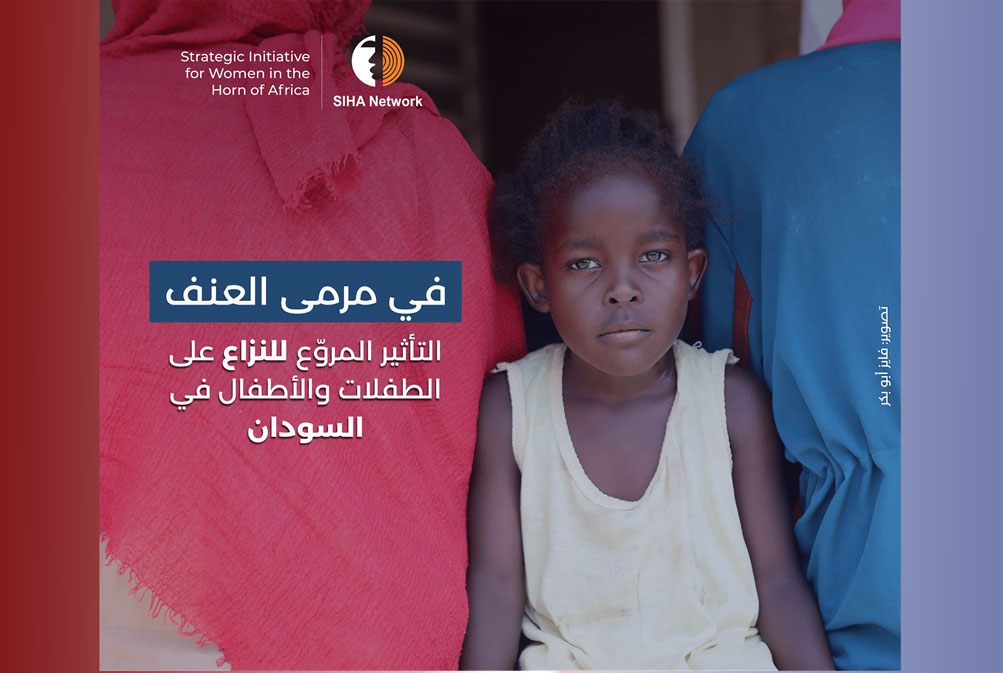
بيان صحفي/ في مرمى العنف: التأثير المروّع للنزاع على الطفلات والأطفال في السودان
17 فبراير 2025

يعد السودان من أكثر بلدان العالم خطورة على الطفلات والأطفال حتى قبل اندلاع الحرب. ورغم أن السودان قد كان من أوائل الدول الموقعة على اتفاقية حقوق الطفل منذ العام 1990 وتمّ توطين مواد الاتفاقية في القوانين والسياسات الداخلية، كما صادق السودان على الميثاق الأفريقي لحقوق الطفل في العام 2005، إلا أنه من ناحية أخرى لم تستثمر الدولة السودانية وأنظمتها المتعاقبة في الدفع بتنفيذ سياسات قوانين حماية الأطفال والطفلات، وظلّت قوانين الأحوال الشخصية السودانية تقنن لجرائم العنف الجنسي ضد الطفلات بما في ذلك زواج الطفلات منذ سن العاشرة والزواج القسري، وتنعدم آليات الحماية القانونية للطفلات وفرصهن في النشوء بأمان.

منذ اندلاع الحرب في السودان في 15 أبريل 2023، يتواصل تصاعد العنف الجنسي المرتبط بالنزاع، مستهدفًا النساء والفتيات والأطفال بشكل وحشي، دون رادع أو مساءلة. خلال عملنا في التوثيق المستمر لهذه الجرائم، رصدت شبكة صيحة أن 23.15% من حالات العنف الجنسي المرتبط بالنزاع التي تم توثيقها هي حالات لضحايا طفلات، وهي نسبة تعكس الجحيم الذي تعيشه الطفلات في السودان في ظل هذا النزاع. كما وثقت صيحة عددًا من حالات العنف الجنسي التي كان ضحيتها عدد من الأطفال الصبيان، نحن نعتقد بوجود أعداد مهولة من الأطفال الصبيان والطفلات ممن تعرضوا للعنف الجنسي.

إن مجمل الانتهاكات التي تحدث للأطفال والطفلات في السودان تتطلب تدخلاً عاجلاً وآليات حماية فاعلة من قبل الجهات المسؤولة والمجتمع الدولي ومنظمات المجتمع المدني السودانية. إلا أن ضعف أدوات وموارد الحماية المتاحة، تضع الضحايا الصغيرات في مواجهة الحرب الوحشية والفراغ المؤسسي، وغياب الخدمات والإفلات الممنهج من العقاب، مما يكرس واقعًا مريرًا من انعدام الحماية واستمرار الانتهاكات.

نورد فيما يلي بعضًا من حالات العنف التي وصلتنا مؤخرًا للفت الانتباه للمخاطر المحدقة بالأطفال والطفلات في السودان.

ولاية الجزيرة: 

منذ دخول الدعم السريع لولاية الجزيرة تعرضت الفتيات الطفلات لعنف غير مسبوق من قبل أفراد الدعم السريع الذين استهدفوا الطفلات بالاختطاف وجرائم العنف الجنسي والزواج القسري والحمل نتاج الاغتصاب.

في يوم 20 ديسمبر 2024 قام الدعم السريع بالهجوم على أسرة الطفلة (ف) ذات ال 13 عامًا في أحد مدن ولاية الجزيرة وطلبوا من الأسرة إعطائهم المال والذهب، وعندما أخبرهم الأب أنهم لا يملكون المال والذهب قاموا بإطلاق النار عليه حيث أدى ذلك إلى وفاته وإصابة ابنته ذات ال 13 عامًا برائش الرصاص في الصدر. عدنها قام الدعم السريع بعد ذلك باختطاف ذات الطفلة المصابة وشقيقتها الكبرى واغتصابهن، حيث تمّ الإفراج عنهن بعد أن دفعت الأسرة فدية مالية. عند تدهور حالة الطفلة وانعدام العلاج في ولاية الجزيرة قررت الأسرة الفرار عبر الدروب القاسية إلى مدينة شندي. إلا أن حالة الطفلة قد تدهورت في الطريق، وفارقت الحياة قبل أن تصل إلى شندي متأثرة بجراحها ونتيجة للنزيف المستمر.

بتاريخ 2 فبراير 2025 قامت صيحة بتوثيق 7 حالات لطفلات تتراوح أعمارهن بين 6 إلى 15 عامًا ضمن مجموعة كبيرة من الأطفال من بينهم صبيان في مدينة ود مدني كان قد تم الإفراج عنهم/ن من سجن ود مدني بعد دخول الجيش السوداني إلى المدينة. ووفقًا لشهادتهن فقد كن متواجدات مع الصبية في معتقل خاص في حي الزمالك قبل نقلهنّ إلى سجن ود مدني حيث كنّ يقمن بخدمة أفراد الدعم السريع، وقد أخبروهن أنهن معتقلات بتهمة العمل مع الجيش السوداني. ووفقًا لشهاداتهنّ فإن شقيقة إحدى الطفلات قد تم قتلها بعد اغتصابها في المعتقل. تقول الطفلات أنه قد تم اختطافهن من مناطق رفاعة ومارنجان والحصاحيصا، وقد عثرت صيحة عليهن عن طريق متطوعين للعمل الإنساني في مدينة ود مدني مع عدد من الصبية.

وسط دارفور – زالنجي: 

في 31 يناير 2025 في غرب مدينة زالنجي تم قتل المعلم (أ)، واغتصاب زوجته وبناته الاثنتين اللتين تبلغان من العمر 11 و16 عامًا. ووفقًا لشهادة الأم فإن قوةً قوامها أكثر من 10 أفراد من الدعم السريع اقتحمت منزل الأستاذ (أ) وأفرغت عليه الرصاص حتى أردته قتيلاً، ومن ثم اغتصبت زوجته وابنتيه، ومن ثم قامت القوة بنهب أمواله وممتلكاته، وتعرضت الطفلة ذات ال 11 عامًا لنزيف حاد وهي حاليا في وضع صحيّ حرج، حيث تعاني مدينة زالنجي من انعدام الخدمات الصحية.

جنوب كردفان: 

في ديسمبر 2024، اختطف الدعم السريع 3 أشقاء تتراوح أعمارهم بين 6 و12 عامًا طفلة وصبيين، من قرية سيلجي، محلية لقاوة بجنوب كردفان أثناء قيامهم بجمع الفواكه البرية بالمنطقة. تم احتجازهم لمدة ستة أيام واغتصابهم قبل إطلاق سراحهم نتاج جهود الوساطة من المجتمع المحلي، وقام الدعم السريع بتصوير فيديو لعملية إرجاعهم.

يوم الجمعة الموافق 10 يناير 2025 تم الاعتداء على طفل يبلغ من العمر 13 عامًا أثناء جمعه الفاكهة البرية في منطقة حجر الجواد جنوب مدينة الدلنج، وهي منطقة تقع ضمن المناطق التي تسيطر عليها الحركة الشعبية-شمال، حيث تعرض الطفل للاغتصاب من قبل جندي يتبع للحركة الشعبية-شمال تحت تهديد السلاح، وفقًا لشهادة الطفل.

يعاني الأطفال في السودان من فظاعات لا تُحتمل نتيجةً للعنف الذي يتعرضون له، حيث تستباح أجسادهم/ن وحياتهم/ن في غياب كامل للحماية. وتواجه الطفلات إصابات جسدية تودي بحياتهن في أحيانٍ كثيرة، مثل النزيف الحاد والالتهابات الخطيرة وفي ظل غياب الرعاية الصحية، فإن العديد منهن يمتنَ في صمت، ومن يعشن يعانين من آثار الصدمة والجروح النفسية والجسدية العميقة.

نحن في صيحة: 

نُطالب المجتمع الدولي ومؤسسات الرعاية الاجتماعية والمجتمع المدني السوداني بالانتباه والعمل في الاستجابة للانتهاكات التي يتعرض لها الأطفال والطفلات في السودان وتقنين جهود الحماية، ومناصرة قضاياهم/ن ونشر وإدانة الانتهاكات التي يتعرضون لها بانتظام، وفضح المنتهكين والمناداة بالمحاسبة والعدالة.

نُطالب الأمم المتحدة والدول المانحة بالعمل على رفع الإمكانيات والموارد المكرسة لحماية الأطفال والطفلات المتأثرين والمتأثرات بالحروب في السودان، ودعم العون النفسي والصحي والوصول إلى التعليم والخدمات الأساسية.

نُطالب المجتمع المدني والمجتمع الدولي بالعمل على حماية الأطفال والطفلات في السودان ودعم المتطوعين والمتطوعات، والعاملين والعاملات في الأرض، وبرامج الغرف والجمعيات التي توفر الحماية للأطفال والطفلات والعون النفسي، تحديداً لمن فقدوا أسرهم/ن وتعرضوا لصنوفٍ من الانتهاكات.

نحن في شبكة صيحة وفقًا لأهدافنا وصلاحياتنا نهتم بالعمل مع النساء والفتيات ونعي أن عملنا لن يكتمل ما لم توجد مؤسسات مدنية وإنسانية تعمل مع الأطفال من الصبية، حيث نلاحظ فراغًا كبيرًا في دعم الصبية في السودان وتوفير الحماية لهم، مما يجعلهم ضحايا لصنوف من العنف والعنف الجنسي والاستغلال وتجنيد الأطفال، والعديد من الانتهاكات الأخرى.

التحديات التي تواجه الأطفال هي في قلب قضايا السلام والعدالة، وتجاهلها سيؤدي إلى أجيال مدمرة ومستقبل مليء بالحروب والنزاعات.

“نحن مدينون لأطفالنا، أكثر المواطنين هشاشة في أي مجتمع، بحياة خالية من العنف والخوف” – نيلسون مانديلا

#عشان_عيون_أطفالنا #تبني_حياتها_الند_بالند


Share the Post:

Ayan Mohamed Djama

Legal and Social Consultant

Ayan Mohamed Djama is a Legal and Social Consultant with strong expertise in judicial, port, and associative matters, and solid experience in designing, managing, and evaluating high-impact social, legal, and educational programmes. Internationally trained in Senegal, Kenya, France, and the United States, she supports NGOs, institutions, and private sector actors while leading community initiatives focused on the training, empowerment, and leadership of young women, girls, and youth to foster more just, inclusive, and resilient societies.

Bibiana Joseph Awad

SOUTH SUDAN PROJECTS OFFICER

Bibiana Joseph Awad holds a Master’s degree in Education in Emergency from the University of Juba. She is an activist and the Projects Officer at the SIHA Network in South Sudan, where she oversees critical initiatives focused on supporting survivors of gender-based violence (GBV). Bibiana manages the One Stop Centre at Wau Teaching Hospital, a facility that provides comprehensive services to GBV survivors, including medical care, psychosocial support, and legal assistance. She works closely with local communities, healthcare providers, legal institutions, and women’s coalitions to address the urgent challenges of GBV in South Sudan.

Through the One Stop Centre, Bibiana has strengthened the capacity of service providers and protection groups while advocating for the rights of women and girls affected by violence. In her free time, she enjoys reading books, listening to music, and engaging on social media.

Jackie Bless Pinyoloya

UGANDA PROJECT OFFICER

Jackie Bless Pinyoloya is the Project Officer at SIHA Network in Uganda; where she passionately champions feminist principles and gender justice. With a solid foundation in gender issues, advocacy, and economic empowerment for women, Jackie brings a wealth of expertise, particularly in the informal sector.

Currently pursuing a Master’s Degree in Gender Studies at Makerere University School of Women and Gender Studies, Jackie is committed to advancing her knowledge and understanding of gender dynamics. She also holds a Bachelor of Arts (BA) in Social Sciences with a major in Gender Studies from Makerere University Kampala, reflecting her dedication to exploring and addressing social inequalities.

In her role, Jackie combines her academic background with practical experience, contributing significantly to the organization’s mission of promoting gender equality and empowerment. Her dedication to feminist principles is evident in her work towards creating positive change in the lives of women in Arua and beyond.

Adla Abubker

SUDAN PROTECTION & EMERGENCY RESPONSE COORDINATOR

Adla Abubker is a women’s rights activist from Sudan with more than 15 years’ experience of working toward gender equality in Sudan. She holds a Bachelor’s Degree in Rural Development from Ahfad University for Women in Sudan. Her areas of expertise include working with grassroots communities, women’s economic empowerment, gender activism and negotiating with men to change inequitable attitudes.

Currently, Ms Abubker a Program Officer with SIHA in Sudan, where she oversees SIHA’s work on building women movement, and women in Islam, reforming gender-discriminatory legislation, and engaging youth on issues of gender, religion, and race. She believes that the link between religion and law is in dire need of reform, and that discriminatory interpretations of Islam are a root cause of violence against women in Sudan.

Neimat Abas

SUDAN COUNTRY COORDINATOR

Neimat Abas brings over ten years of experience in the nonprofit sector. She holds a bachelor’s degree in law from Juba University and a master’s degree in Gender and Governance from Ahfad University for Women in Sudan, where her research focused on women’s political participation at the local level. Neimat is currently the Coordinator for the SIHA Network in Sudan.

Before joining SIHA Network, Neimat worked with the Arab Association for Constitutional Law in Tunisia, Oxfam America in Sudan, and Women for Women International in Washington, DC. She has played a key role in the development, implementation, and ongoing enhancement of high-quality women’s empowerment programs in eight conflict-affected countries.

Neimat has also been actively involved in the leadership of the Students Association and various political and civil society organizations for several years. As a result, she has developed strong skills in working with university students to organize political campaigns, raise public awareness about civil rights, and build democratic organizations and institutions.

Yousef Ahmed Abdi (Timacade)

SOMALI REGION PROGRAMME COORDINATOR

Yousef Ahmed Abdi (Timacade) is a Lawyer and Legal Analyst holding a Master’s Degree in Law and Executive Management. Over the past decade, he has consistently demonstrated dedication through his work with national and international non-governmental organizations, focusing on critical areas such as human rights, program management, and research within Somalia and Somaliland.

Currently serving as the Somali Region Programme Coordinator for the SIHA Network, Yousef embodies not only legal prowess but also a deep commitment to women’s human rights advocacy. He is also known for his prolific blogging and commentary, dedicated to raising awareness about human rights issues. His unwavering dedication to gender equality propels him into the role of advocate for marginalized communities, striving to amplify their voices and effect transformative change. Yousef specializes in championing egalitarian ideals and advancing progressive reforms in the Somali region, with a particular emphasis on achieving gender parity.

Yousef is a valued member of the editorial board of the Women in Islam journal. His numerous writings delve into the intricacies of human rights, particularly those affecting Muslim women.

Zemdena Abebe

ETHIOPIA PROGRAM COORDINATOR

Zemdena Abebe is the founder of Afri-colors, a social-enterprise startup, curating made-in-Africa products, crafted by women. As a Pan-Africanist -womanist- she refuses to be erased and amplifies the voices of women through her research, writing, multimedia -storytelling, organizing, and activism: disrupting intersecting oppressive systems. Her social justice advocacy work started in high school; Chaired Addis Ababa Girls’ Forum– which facilitated discussions amongst girls laying the foundation for legislative intervention against sexual abuse in Ethiopia. As the first women president of Addis Ababa University Students’ Union: she reaffirmed the need and organized various youth-led movements despite the hostile university context. One of the 22 young African women selected as part of the writing for social change workshop organized by AWDF and FEMRITE in Kampala, Uganda. An alumnus of the prestigious Mandela Washington Fellowship.

Amongst her multilayered affiliations, she sits on the advisory council of ActionAid Ethiopia. Previously, she worked with UNICEF Ethiopia and consulted many other local and international organizations such as the EU, FEMNET.HBF, FHS, TRUST AFRICA, etc. Volunteered for the African Union (African Academy of languages in Bamako, Mali: as a research and Marketing Assistant. Zemdena is a graduate of Political Science & International Relations, who often likes to dance her way to freedom. Asserting the notion that African women, girls & non-binary folks have the right to a life free of heteronormative -capitalist -anti-black -patriarchal terror based on their overlapping otherness: her work reaffirms that human progress is achieved through imagining a better world through the realization of a transnational strong justice-centered human kinship. Zemdena’s writings of resistance can be found on Pambazuka, Africa is a Country, HBF, African Feminism et al

Ramatoulie Isatou Jallow

REGIONAL ADVOCACY & RESEARCH OFFICER

Ramatoulie Isatou Jallow (L.L.M Graduate in National Security Law, Georgetown, 2023 and in Human Rights and Democratization in Africa University of Pretoria, Centre for Human Rights, 2021) is a peace practitioner and attorney from Botswana and the Gambia, specializing in human rights, democratization, national security, conflict prevention and women, peace and security. In her previous professional experiences, she worked for the African Union, the United States Institute for Peace, and the Georgetown Center for National Security. Immediately before joining SIHA Network, Ramatoulie was also the Mary Frances Berry Senior Fellow at the Center for Ethics and Rule of Law, affiliated with the Annenberg Public Policy Center at the University of Pennsylvania. Here she led research on the military coups in the Sahel and West African region, civic education in the military and indefinite detention.

Her publications include Covid- 19 and Intrastate Armed Conflicts in Africa, Beyond the Outbreak: Creating a Sustainable Peace Culture in Botswana and Intergenerational Peacebuilding Among Women: Leveraging the Power of Collaboration, which she co-authored.

Outside of work, Ramatoulie is an avid reader, lover of poetry, culture, art and music.

Martin Maate Bwambale

REGIONAL HUMAN RESOURCE OFFICER

Martin Maate Bwambale is the Regional Human Resource Officer at SIHA Network, with over 8 years of progressive HR experience in both the private and not-for-profit sectors across the Greater Horn of Africa. As a member of the Human Resource Managers Association of Uganda, Martin is passionate about creating human capital-centric environments that foster a positive employee experience and contribute to the achievement of organizational goals. He is dedicated to helping individuals unlock their potential and become better versions of themselves by implementing sound HR practices and policies.

One of Martin’s key accomplishments includes serving as the Chairperson of the HR COVID-19 SOP Taskforce Committee, which was established by the Uganda INGO Country Directors Forum. He played a vital role in drafting standard operating procedures for workplace COVID-19 prevention, response, and control, as well as work-from-home policies, which were adopted in 2022.

Martin holds a Bachelor of Business Administration in Production and Operations from Bugema University and is currently pursuing a Master of Business Administration in Human Resource Management at Cavendish University.

Outside of his professional life, Martin enjoys playing soccer with C Club, a corporate soccer team in Kampala, Uganda, for health, leisure, and networking. He is also passionate about singing and traveling.

REGIONAL SENIOR FINANCE OFFICER

REGIONAL SENIOR FINANCE OFFICER

Sauda Kayaga is SIHA Network’s Regional Senior Finance Officer. A trained Statistician, she holds a bachelor’s degree in Statistics from Makerere University. Sauda has 2 years of experience in statistical research and analysis, 3 years in cashiering and banking, and over 5 years in project financial management. She has a strong aptitude for working with complex financial modelling and analysis and a deep understanding of financial systems and procedures. Sauda is highly passionate about her work and brings a keen attention to detail and expertise to every aspect of her role.

Justine Namuyanja

REGIONAL PROCUREMENT & COMPLIANCE OFFICER

Justine Namuyanja is the Procurement & Compliance Officer at SIHA Network, bringing over a decade of experience to the organization. Throughout her career at SIHA, she has made significant contributions to the finance, procurement, administration, human resources, and compliance sectors. Justine has consistently demonstrated her ability to manage procurement processes efficiently while ensuring compliance with both internal and external standards. Her expertise also includes optimizing operational workflows and improving the transparency and efficiency of financial systems, all of which are essential to the success of SIHA’s work. Justine’s role is also critical in upholding the integrity and accountability of SIHA’s operations.

Sandra Nassali

REGIONAL ADVOCACY & COMMUNICATIONS COORDINATOR

Sandra is an accomplished communication professional passionate about building knowledge and conducting strategic advocacy initiatives that advance the rights of women and girls.

In addition to feminist activism works, she has, in the last 15 years, pursued her career ambitions in areas of climate change mitigation and adaptation, agriculture and food security, social enterprise development, public health, as well as ICT for Development.

Sandra holds a Master of Arts in Development Journalism and Communication (Strategic & Corporate Communication Management major), plus a Bachelor of Mass Communication (Public Relations & Marketing major) from Makerere University in Kampala Uganda.

Furthermore, she holds a Post Graduate Diploma in ICT for Development and Social Good from the Spanish Telecentres and ICT Spaces Academy in Spain.

Twitter: @SandraNassali

Shinaz Rehema Ali-Zaids

REGIONAL GRANTS AND CAPACITY BUILDING COORDINATOR

Shinaz Rehema Ali-Zaids (She/Her) is a passionate and dedicated advocate for social justice. Her professional journey has focused on women’s rights, marginalized communities, natural resource governance, and climate change. With over a decade of experience in the women’s funding sector, she has offered strategic guidance to international organizations on community-driven, participatory grantmaking.

Deeply committed to her local Nubian community, Shinaz actively engages in local initiatives and serves on various boards to amplify the voices of marginalized groups. Her work addressing human rights gaps at the grassroots level has shaped her passion for strengthening social systems that protect the rights of vulnerable populations. A strong advocate for wellness, Shinaz prioritizes self-care and collective care within teams, recognizing that sustainable social change is rooted in both individual and collective well-being.

Throughout her career, Shinaz has collaborated closely with women to develop long-term, sustainable solutions to their most pressing needs. Her expertise in movement building has been key to expanding programs across diverse regions of Africa. In her current role as the Regional Grants and Capacity Building Coordinator, she supports SIHA Network’s country teams in executing impactful work and scaling their initiatives. Shinaz also provides critical support to women and communities in conflict and post-conflict settings, ensuring their safety, security, and ongoing activism in advancing women’s rights.

Mercy Apiyo Owuor

REGIONAL COORDINATOR: MONITORING, EVALUATION & LEARNING

Mercy is a Public Health Professional with a keen interest in gender equality, equity, and social inclusion. She has over 15 years of experience in programme design and management, as well as monitoring, learning, and evaluation.

This is expertise Mercy has gathered by managing and coordinating multiple projects while working with government entities and civil society organisations at the grassroots, national, and international levels.

Mercy holds a Master of Community Health and Development from the Great Lakes University of Kisumu, and a Bachelor’s Degree in Sociology from Moi University in Eldoret Kenya.

Twitter: @MercyOwuor2

Mayada Eltayeb

HEAD OF FINANCE & ADMINISTRATION

Mayada Eltayeb is the Head of Finance and Administration at SIHA Network. She joined the organization in 2008 with over a decade of experience in finance and organizational management, leading SIHA’s strategic financial planning and resource management. Born in Sudan and raised in the United Arab Emirates, Mayada earned her bachelor’s degree in accounting from Ahfad University in Sudan in 2005.

Before joining SIHA, she had gained extensive experience working with various audit and accounting firms, refining her skills in financial analysis and reporting. Under her leadership, SIHA’s Finance and Administration division has strengthened financial processes and policies, ensuring compliance, transparency, and the effective allocation of resources. Mayada’s efforts have been pivotal in supporting the organization’s sustainability and operational excellence. She has also completed several specialized training courses in NGO financial management in Uganda and South Africa, further enhancing her expertise and leadership capabilities.

Faizat Badmus-Busari

REGIONAL PROGRAMME MANAGER

Faizat Badmus-Busari is the Regional Programme Manager at SIHA Network. With a strong background in program management and a Doctor of Juridical Science (SJD) degree from Emory University School of Law, she expertly navigates the crossroads of gender, law, religion, and social justice, serving marginalized communities, especially women and girls.

Before SIHA, Faizat held significant positions in international organizations like The Carter Center and various United Nations agencies. There, she managed projects ranging from grassroots efforts to global initiatives, focusing on gender equity, social inclusion, democracy, and human rights. At SIHA, she oversees the network’s regional programs, ensuring the mission and vision are effectively carried out across the Horn of Africa. Faizat brings her extensive gender-transformative, legal, and program management expertise to the role. Guided by a belief in collective action and intersectional feminism, Faizat collaborates with organizations and partners to promote women’s rights, peacebuilding, and social justice in the region.

Hala Al-Karib

REGIONAL DIRECTOR

Hala Al karib was born and raised in Sudan and later lived in Canada. She currently lives and works in Uganda. She has lived and worked in South Sudan, Kenya and Egypt as well the Eastern and Horn of Africa for over 20 years. Hala’s work specifically focuses on women and girls rights activism and social movement as well as refugees and displaced persons and minority community’s challenges. She has wide and comprehensive expertise on the Horn and Eastern Africa regions, as a civil society worker/activist, and social and gender research practitioner. Her educational background is on Human rights, women studies and Psychology. In addition to her work as the Regional Director of SIHA Network, she worked for various international and regional organizations/institutions among them; The College of Social & Economic Studies, Juba University in South Sudan where she worked as a Research Assistant; The sociology department at the American University in Cairo as an Assistant Researcher; Immigrant Women of Saskatchewan Inc. in Canada as the Program Director; Trocaire, an Irish Organization as Grant Officer based in Sudan. She has also worked as a consultant with various international and UN Humanitarian organizations, including; Goal Ireland, World University Services, Accord International and Concern International.

She is a regular contributor to many online and print media outlets. Her writing is focused on activism, women’s rights and social justice. Some of her recent articles are published in: Aljazeera, Open Democracy, Sudan Tribune The Pambazuka, the New Humanitarian and the East African Newspaper. She is the Editorial head of SIHA Journal – Women in Islam in the Horn of Africa (Arabic & English).

Twitter: @Halayalkarib

Kadra Omar

Kadra is a Social Worker from Djibouti currently working with the Ministry of the Promotion of Women & Family Welfare & Social Affairs- Djibouti. She is also a member of the Djiboutian Women’s Union. Kadra currently serves on the Program Advisory.

Dr. Lyn Ossome

Dr. Lyn Ossome is the Director of the Makerere Institute of Social Research (MISR), Makerere University. She received her PhD in Political Studies from Wits University. Her specializations and taught courses are in the fields of feminist political economy and feminist political theory, with particular research interests in land and agrarian studies, gendered labour, queer feminist histories and the political economy of gendered violence. She currently serves on the Program Advisory

Aluel Atem

Aluel Atem is a seasoned development economist, blogger, and African Feminist Activist hailing from South Sudan. With over eight years of dedicated experience, her primary focus has been on gender and conflict transformation. Currently serving as a Senior Program Officer at the United States Institute of Peace (USIP), Aluel holds the role of USIP’s In-country (Kenya) lead for the Border Security Training Program (BSTP). In addition to her role at USIP, Aluel is a co-founder of two women’s rights initiatives: Ma’ Mara Sakit Village and Crown the Woman-South Sudan, both based in South Sudan.

Rose Baryamutuma

Rose is a programme monitoring and evaluation expert with over 15 years of experience providing specialized services for program design, organization capacity assessments, facilitating training and M&E. She has also provided technical support to institutions to develop and cost strategic plans. Rose has broad research experience/evaluation in the areas of HIV and AIDS, Sexual and Reproductive Health. As GBV Focal Person she provides technical support to the GBV National TWG on general program and M&E specifically.

Kimberley Armstrong

Kimberley Armstrong holds a PhD in Anthropology from McGill University in Canada. Her research focused on transitional justice, conflict, and displacement in Northern Uganda, with previous studies on rural-to-urban migration of women in Senegal. She is currently working with the Ministry of Social Development and Poverty Reduction in Vancouver, British Columbia, Canada, as the Manager of Program Evaluation and Reporting. Prior to joining the Ministry, she served as SIHA Network’s Regional Programmes Manager for over six years.

Jemimah Naburri-Kaheru

Currently serving as the Association for Women’s Rights in Development [AWID]’s Deputy Director of Human Resources, is an accomplished international Human Rights [HR] strategist with a significant experience in the Horn of Africa region. With a background in Development Studies from Makerere University (Uganda) and an ongoing MBA in Human Resource Management, Jemimah is dedicated to continuous professional development. Her contributions to building high-performance workforces and her leadership in international HR make her an invaluable asset to any global enterprise. Additionally, Jemimah serves as the Program Advisor, supporting with operations at SIHA Network.

Abdifatah Hassan Ali

Abdifatah is a Somali human rights defender with extensive experience in advocacy within the civil society arena. He is the Founder of the Digital Shelter – a local initiative founded in March 2018 by activists who are passionate about the intersection between technology and human rights in Somalia with the aim of promoting digital safety, digital rights and inclusion and internet freedom in the growing digital civic space of Somalia. He holds a Masters Degree in Human rights. Currently works for the UN as a Human rights officer in Somalia

Guleid Ahmed Jama

​Guleid is an active human rights defender and an Attorney at law the Xaqdoon Law Firm​, based​ in Somaliland. He is the ​C​o-founder and former ​C​hairperson of Human Rights Center (HRC), a human rights advocacy organization ​also based in Somaliland. ​​Guleid currently serv​es​ as a Program Advisor.

Asmahan Hassen

Ms. Asmahan is one of the founders of SIHA, currently serving as Advisor to the SIHA Board. She is currently Chairperson of Nagaad Network in Somaliland. She has also served as Chairperson of the Somaliland Women’s Research and Action Group (SOWRAG). Asmahan is actively involved in the Somaliland women rights arena as a women human rights defender. Her tenure spans 23 years. She is a graduate of Arts and Humanities from the University of Khartoum.

Peace Twine Kyamureku

Peace Twine Kyamureku is the Executive Director of the Ruth Fund Uganda. She is a secondary school teacher by profession, holding a Master of Arts Degree from Makerere University and has trained in Gender, Human Rights and Civil Society Studies. She currently serves on the Advisory to the SIHA Board.

Saba Gebremedhin

Saba is currently the Executive Director of the Network of Ethiopian Women’s Associations (NEWA), a member organization of SIHA Network. Saba is a Lawyer in the Ethiopian Courts of Law by training and profession having served as a Special Prosecutor. She is also one of the founders of the Ethiopian Women Lawyers Association (EWLA). In her tenure, she has served as a Consultant at the IGAD Gender Unit and the African Union Women, Gender and Development Directorate (WGDD).

Kaltun Hassan

Ms. Kaltun is a Gender Expert and Women Rights Activist from Somaliland. She has served in a number of positions within civil society organizations advocating for, and working in women’s rights, gender equality, and peace-building. She serves on the Board of Directors of Women Advocacy and Progress organization (WAAPO). Kaltun was recently re-elected as the only woman on the Somaliland Electoral Commission.

Fadwo Hassan

Fadwo Hassan Jimale is a Somali woman rights activist with experience spanning 10 years in gender-mainstreaming and social protection of women and children in Somalia. I have Ten (10) years’ experience in excellence of general protection and development of gender mainstreaming. Her experience in GBV survivor work in Somalia has necessitated her participation in women’s movement-building work particularly with the women and Child Cluster in Somalia. Fadwo has represented SIHA in a number of national and regional spaces contributing to SIHA’s mandate of advocating for the acknowledgment of women rights in view of the lived realities of women and girls in the region.

Rigbe Gebrehewariat Hagos

Rigbe is a passionate women rights activist from Ethiopia, trained as a Lawyer and Social Worker, who has dedicated her career to advocating for people with disabilities, especially women. She works to spread awareness about people with disabilities and what they are able to achieve. She is the Co-founder and treasurer of Ethiopian Lawyers with Disabilities Association (ELDA), Co-founder and board chair of Setawit and a member of the United Nations Women Civil Society Advisory Group She is also a 2016 Mandela Washington Fellow. Rigbe sits on the Board of Directors of the Ethiopian Women Lawyers Association (EWLA) – a member of SIHA Network. She currently serves on the SIHA Board of Directors.

Zabib Loro Musa

Zabib Loro Musa is the Executive Director of Women for Justice and Equality (WOJE), a feminist advocacy organization dedicated to advancing and advocating for the rights of women in marginalized communities across South Sudan. At WOJE, she leads the organization’s efforts to implement the Women’s Peace and Security agenda in grassroots communities throughout South Sudan.

Keltun Qasim

Kaltun Qasim is the Director of Women’s Human Rights Education and Environment in Somaliland. Her organization works in different rural and urban centres in Somaliland and has been a member of SIHA for more than 10 years.

Lillian Byarugaba Adriko

Lilian Byarugaba Adriko is the CEO of FIDA-Uganda and is a very well known woman advocate and rights defender in the country playing a significant role in improving the status of women by promoting their socio-economic rights and justice and advancing gender equality within Uganda.

Omayma Elmardi

Ms. Omayma Amin Elmardi is the Director at the National Sudanese Women Association (NSWA) a member organisation of SIHA Network. She holds a Bachelors of Science from Cairo University – Khartoum branch, a Post-graduate Diploma in Development Studies and a Master of Science in Development Planning from the Development Studies and Research Institute (DSRI) University of Khartoum. Omayma currently serves as the Chairperson of the SIHA Board of Directors.