Budgeting for Inequality: The Decline in Gender-Responsive State Spending for Socio-Economic Rights in Ethiopia and Uganda
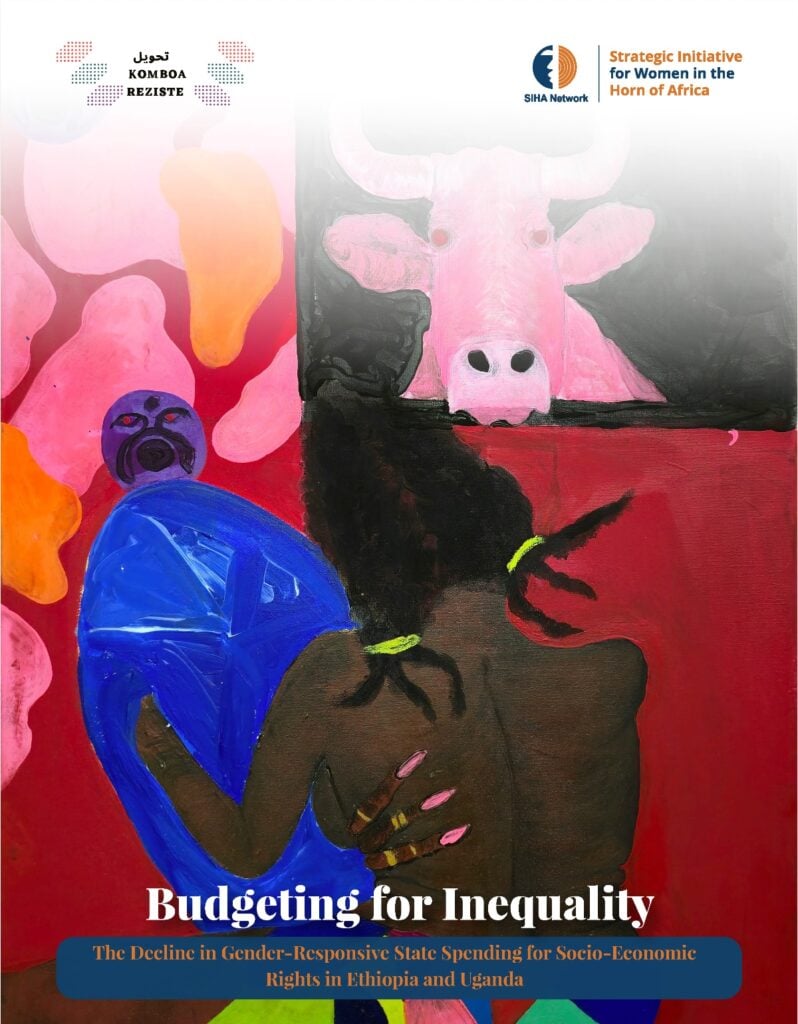
This Briefing Paper examines the decline in gender-responsive public spending in Ethiopia and Uganda, showing how current budget priorities are undermining the socio-economic rights of women and girls, particularly in health, education, and social protection, and highlighting the gap
Unsafe and Unheard: Women Market Vendors Demand Social Protection and Economic Justice
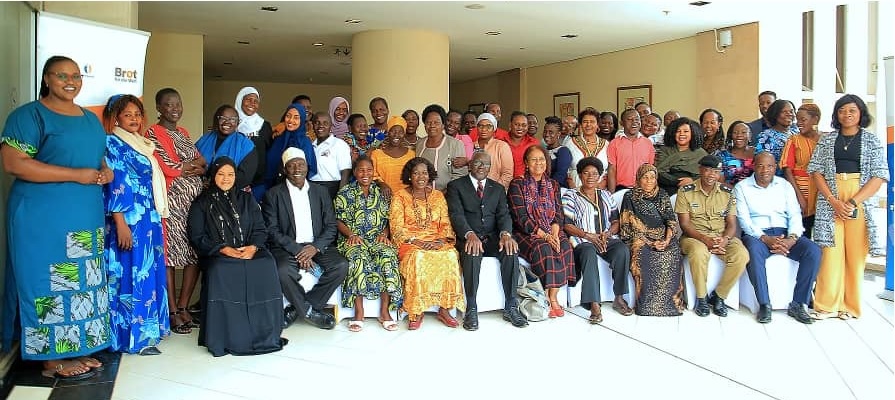
Women market vendors (WMVs) sustain households, feed communities, and power local economies, often as primary breadwinners and caregivers. Yet, the spaces that depend on their labour remain perilous and poorly governed.
Across nine (9) markets in Arua City, the Strategic Initiative for Women in the Horn of Africa (SIHA) Network’s recen
YOUR GUIDE TO SEXUAL CONSENT AND ASSUALT
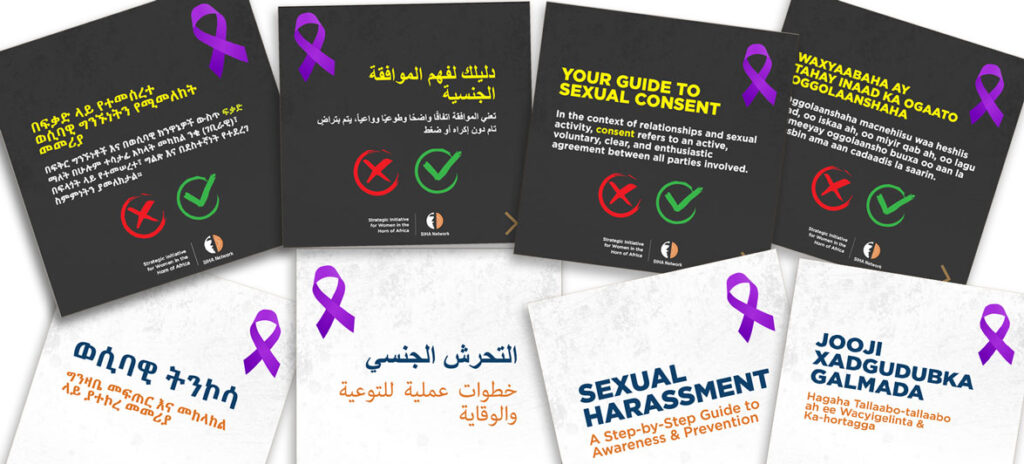
Consent is not just a buzzword.
DidYouKnow April is Sexual Assault Awareness Month?
Read more to learn
From Markets to Movements: Women Market and Street Vendors Call for a Strengthen Framework Against Violence and Harassment in the Workplace
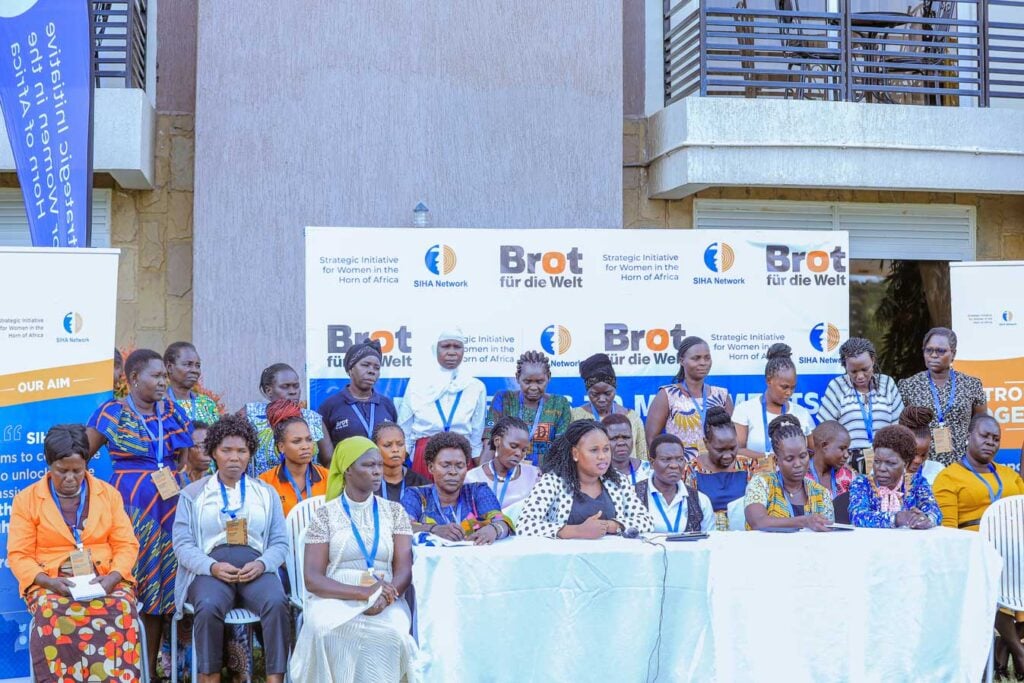
The International Labour Organisation ( ILO) reports that the informal sector contributes to more than 50 % of the Ugandan economy and is responsible for more than 80 % of employment. This means that a majority of the population depends on this sector for their livelihoods and survival, revealing how significant informal workers are to Uganda’s economic growth.
Heartfelt Condolences to Rebecca Cheptegei’s Family: Domestic Violence Remains a Harsh Reality for Millions of Women and Girls in Eastern and the Horn of Africa

We extend our heartfelt condolences to the family of Rebecca Cheptegei, the esteemed Ugandan marathon runner, as well as to the Uganda Athletics Federation and her friends, following her tragic death reported today September 5, 2024. Rebecca, who succumbed to severe burns after allegedly being doused with petrol and set on fire by a former partner, was a remarkable athlete who recently competed in the Paris Olympics.
STATEMENT: Women Market Vendors in Arua voice their demands
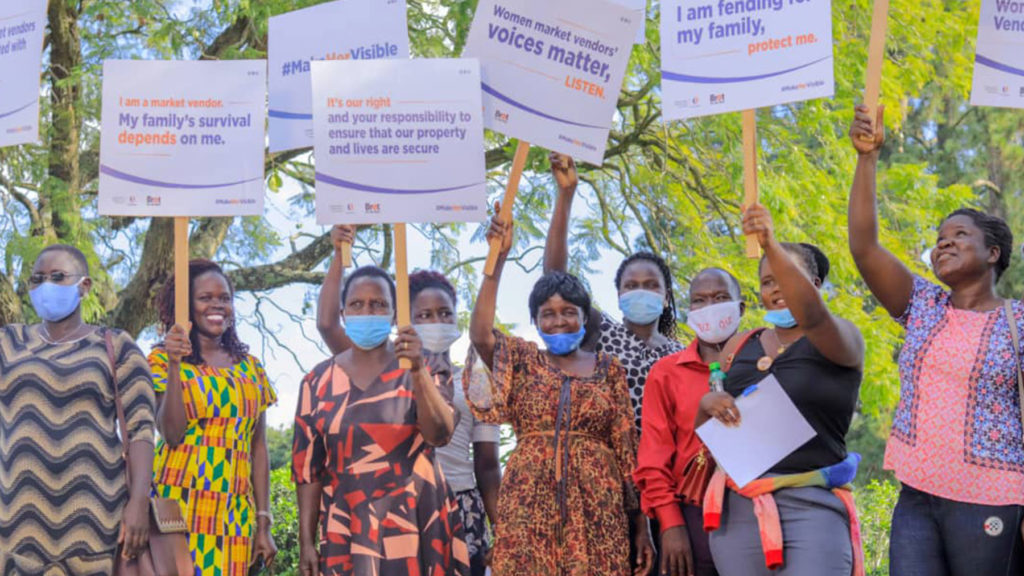
We, the women market vendors of Arua City represented through cooperatives and associations for a long time, have been invisible despite the challenges we face within and outside the markets. Even though women constitute a greater percentage of market vendors with an estimate of over 70% being at the forefront of informal cross border trade […]
CORONAVIRUS: UGANDA NEEDS A ROBUST RESPONSE PLAN TO SUPPORT WOMEN IN THE INFORMAL ECONOMY
Photography Credit: SIHA Archives SIHA Network is a regional network that works with urban poor women in shanty, peripheral settlements in addition to internally displaced, migrant women and girls across the greater Horn of Africa. The latest global warnings and protection guidance regarding Coronavirus (COVID-19) has been, in our view, largely a conversation among the […]
A MOVE TO FORMALISE STREET TRADE IN KAMPALA
#MakeHerVisible In an attempt to regulate street vendors in Kampala, Kampala Capital City Authority is in the process of instituting a Street Trade Ordinance, providing legislative framework within which street trade will be organized on the streets of Kampala. Within the ordinance, some of the provisions therein propose street vendors registering with KCCA in order […]
WOMEN IN UGANDA’S INFORMAL ECONOMY ASSERT PROTECTION OF THEIR HUMAN RIGHTS
In the recent past, Kampala’s pedestrian walkways and streets in the central business district and surrounding areas have been cleared of women street vendors in a brutal, inhumane manner pointing to the lack of empathy, absence of human rights consideration and a lack of appreciation for economic diversity citing a need for organization and orderliness, […]
16 days of Activism 2018: Taking it Further – #HearMeToo
#HearMeToo This year, SIHA Network leveraged on the 16 days of activism as an opportune period to bring the #MeToo conversation to the light – attempting to understand how the gender power imbalance creates opportunities for men to prey on women and girls; promotes a society that ridicules the victims; allows the perpetrators to go […]