Defending Women Behind Bars: How Sudanese Women Lawyers Are Opening Paths to Justice
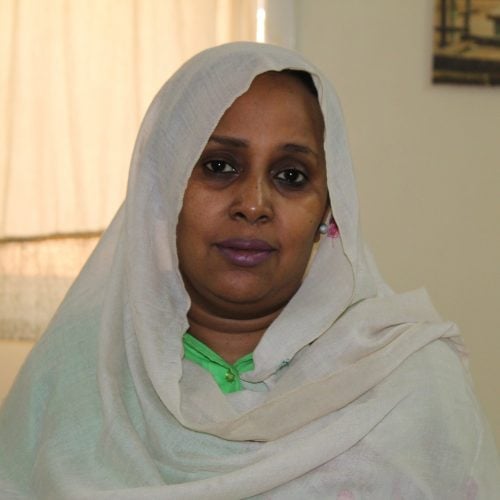
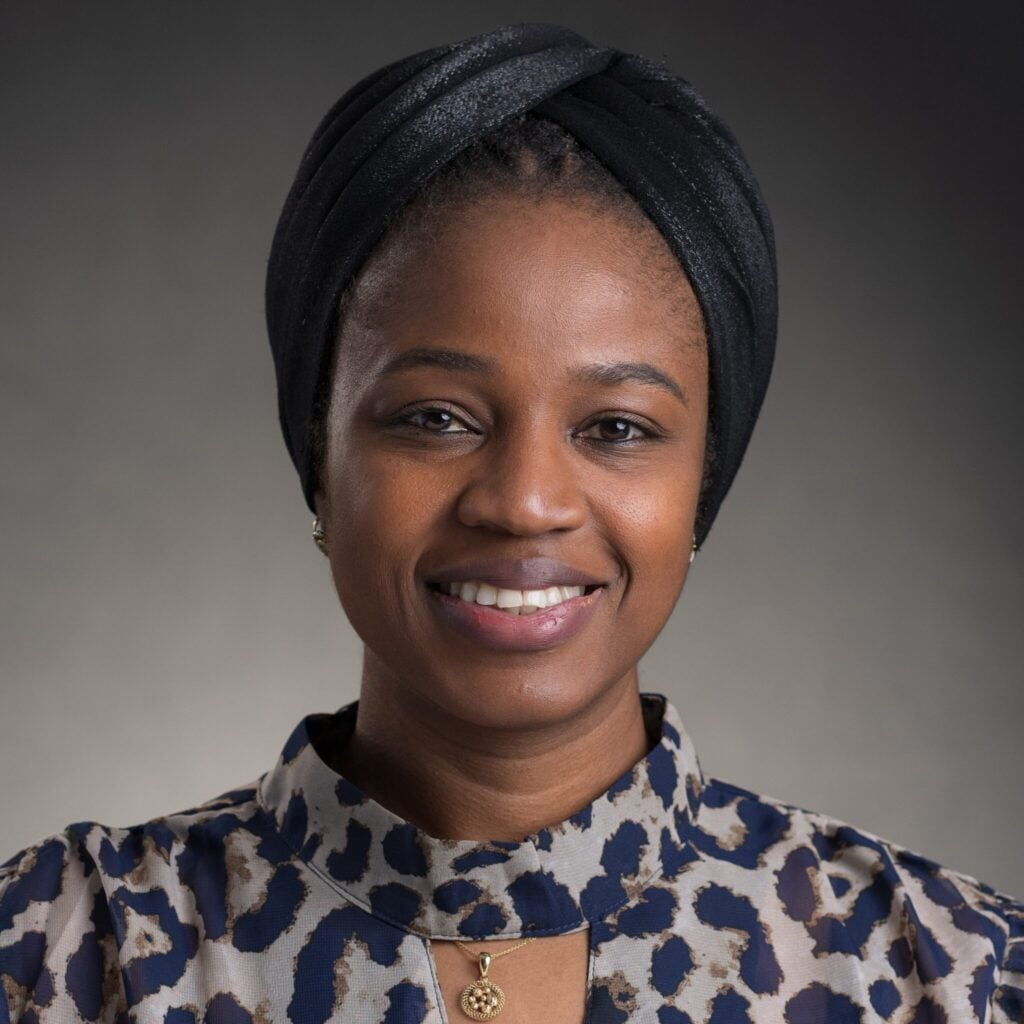
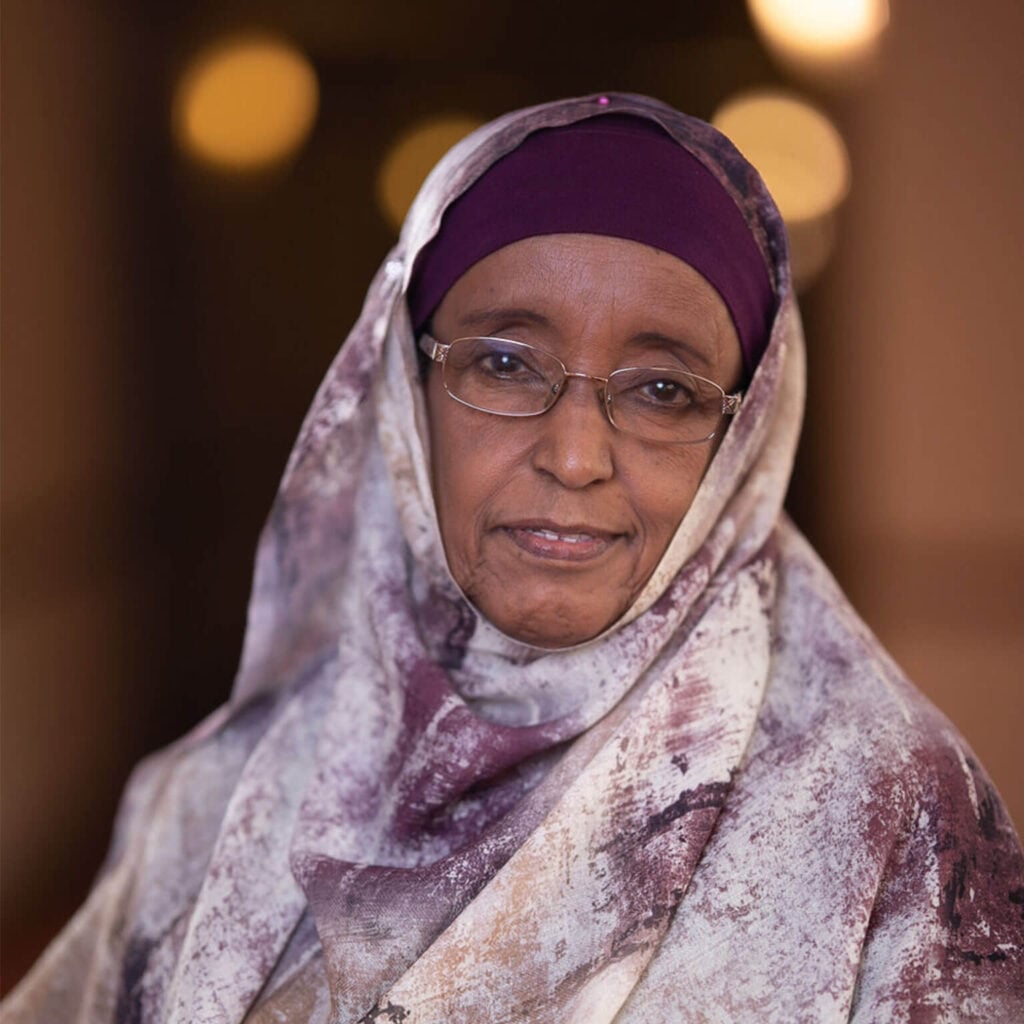
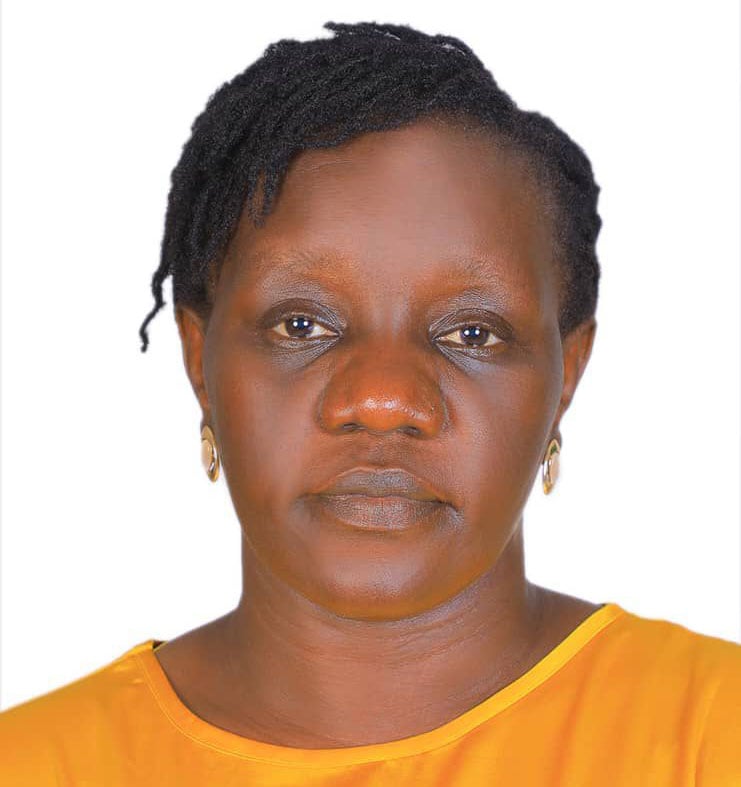
Every week, Samia Musa moves between police stations, courtrooms, and Omdurman Women’s Prison.
Many of the women she meets there were arrested suddenly — at a bakery queue, while working at a tea stall, or while traveling through checkpoints. Some were accused of collaborating with armed groups. Others were detained simply because they lacked identification documents or could not pay court-imposed fines.
For many of them, Samia is the first lawyer they have ever spoken to.
Through SIHA’s Justice for Women initiative, Samia became part of a growing network of female lawyers working across Port Sudan, Omdurman, and Wad Madani to defend women detained during the ongoing conflict. The network provides legal consultations, courtroom representation, and case follow-up for women who would otherwise face the justice system alone.
Building a Feminist Legal Network in a Time of War
This network did not emerge by chance.
As the conflict in Sudan escalated, SIHA worked with women lawyers and legal actors across different states to strengthen their ability to respond to the growing number of women being detained. Through targeted support, the initiative brought together lawyers, mediators, and community-based paralegals into a coordinated response mechanism.
SIHA supported the network through training on feminist legal approaches, case documentation, and strategic litigation, while also providing resources to enable lawyers to access detention centers, follow up on cases, and represent women in court.
Equally important, the initiative created space for coordination — allowing lawyers across different cities to share information, track cases, and align legal strategies in an environment where formal justice systems were increasingly fragmented.
This combination of capacity building, resourcing, and coordination helped transform individual legal efforts into a functioning network capable of responding at scale.
Delivering Justice in a Fragmented System
In Omdurman alone, the legal team handled more than a dozen cases involving women detainees in a single reporting period. Some secured bail, while others had fines paid or cases dismissed after legal intervention.
In Port Sudan, another group of women lawyers supported more than twenty-five (25) women detained under security and morality-related charges. Through appeals, mediation, and legal advocacy, several women saw their sentences reduced or their charges dropped.
Across the network, these efforts contributed to measurable outcomes: seven (7) women were acquitted due to insufficient evidence, thirteen (13) women had death sentences overturned on appeal, with sustained advocacy leading to the release of four hundred and two (402) women who had been arbitrarily detained under these charges.
But the impact of the initiative goes beyond individual cases.
Creating Alternative Pathways to Justice
In a context where formal legal protections have been weakened by conflict, the network has become an alternative pathway to justice.
By connecting women detainees with independent legal representation, documenting patterns of arbitrary detention, and advocating for accountability, the network is helping to ensure that women are not entirely excluded from legal protection.
It also demonstrates a broader lesson: when women-led legal networks are supported, they can continue to function — and deliver results — even when state institutions are under strain.
As Samia reflected after another long day between the prison and the courts:
“Many of these women thought no one even knew they were here. When a lawyer arrives, it reminds them they still have rights.”