Your Excellencies, Members of the Committee, distinguished delegates,
The Greater Horn of Africa region faces a complex web of violence, protracted conflict, militarization and the rapid flow of arms. At the center of this, the rights and welfare of the child stand within the crossfire and are under siege. As the Strategic Initiative for Women in the Horn of Africa (SIHA) Network, we bring these urgent realities to your attention.
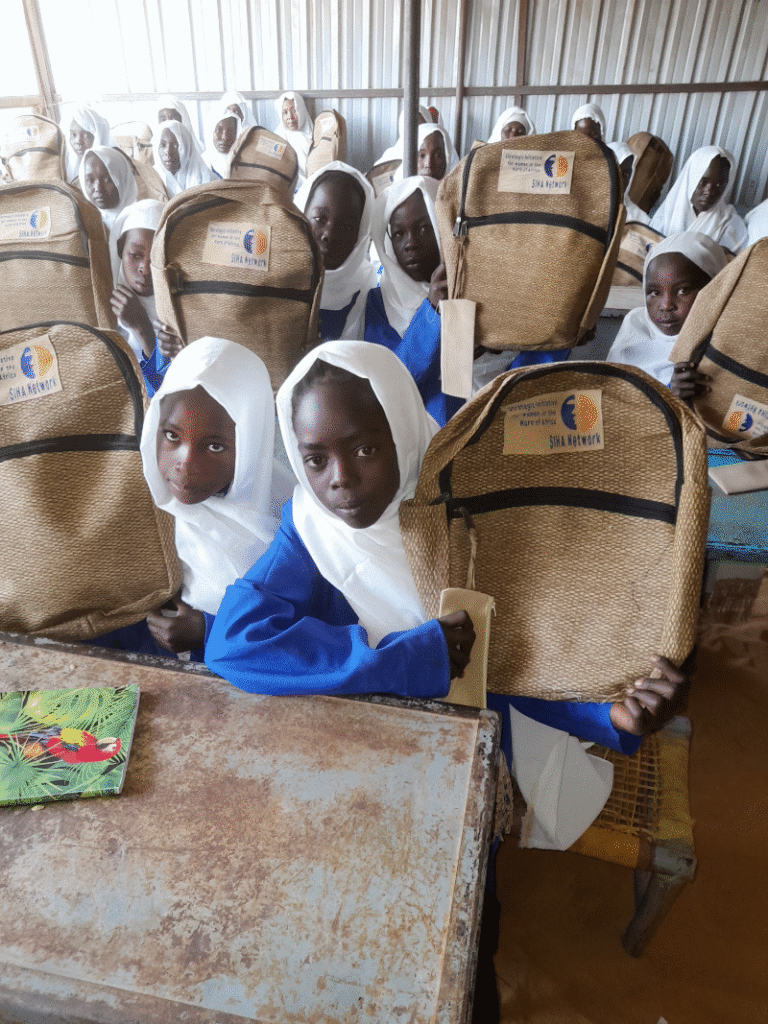
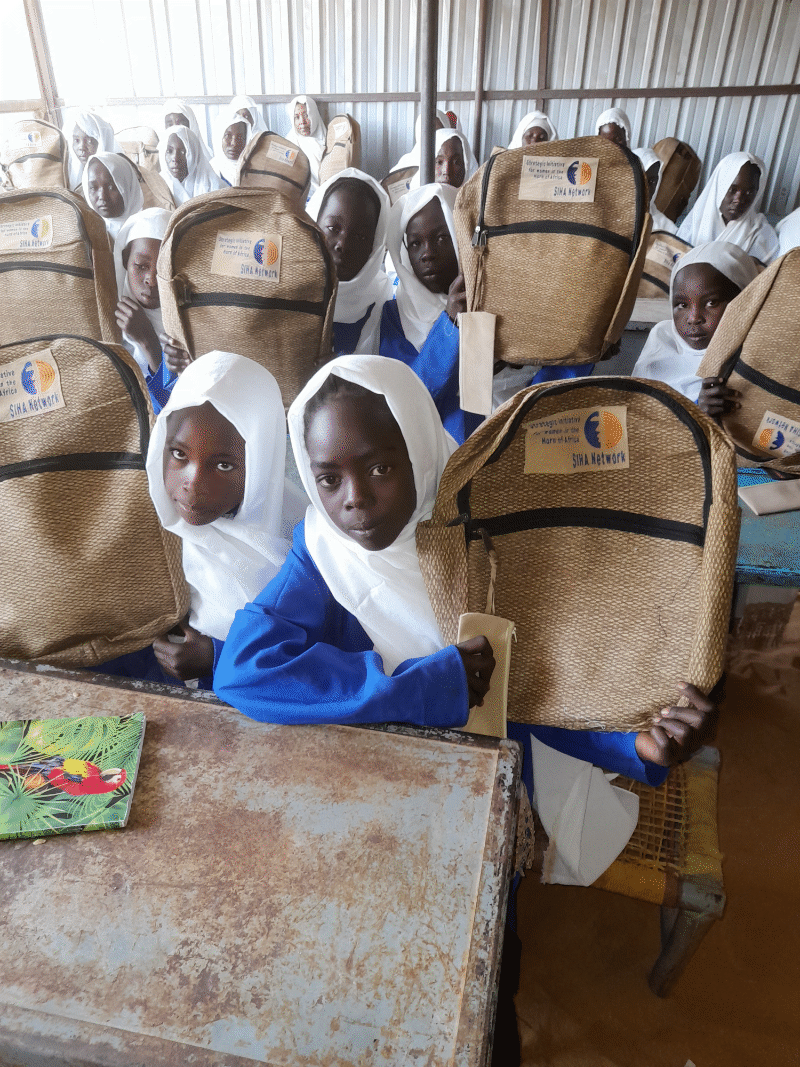
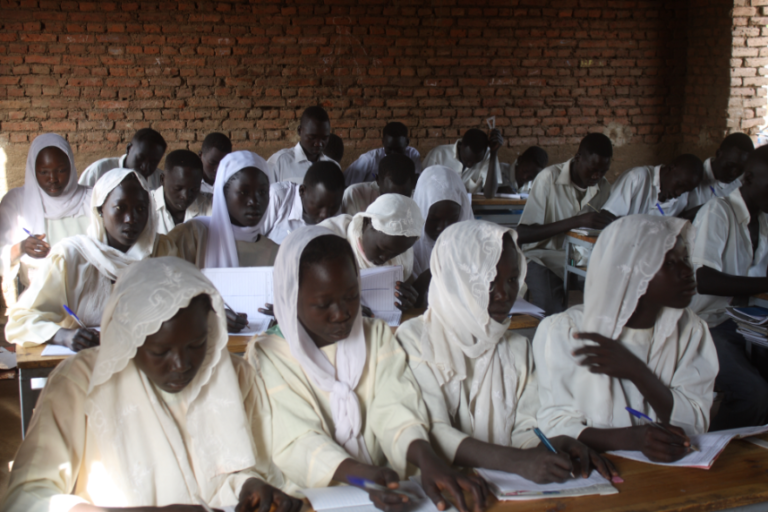
In Sudan, millions of children remain out of school, with girls facing particular barriers to returning to education. Child and forced marriage are becoming increasingly prevalent. Conflict-related sexual violence (CRSV) continues to be ruthlessly wielded as a deliberate weapon of war, with over 18% of SIHA Network’s documented CRSV cases involving children. CRSV is largely perpetrated by the Rapid Support Forces and manifests in the form of rape, early and forced marriage, sexual exploitation and sexual slavery, among others. SIHA Network also continues to document hundreds of cases involving children detained in prisons across Sudan, including in Omdurman, Wad Madani and Port Sudan. Moreover, cases of enforced disappearance are on an alarming rise, with SIHA Network documenting missing girls as young as five years old.
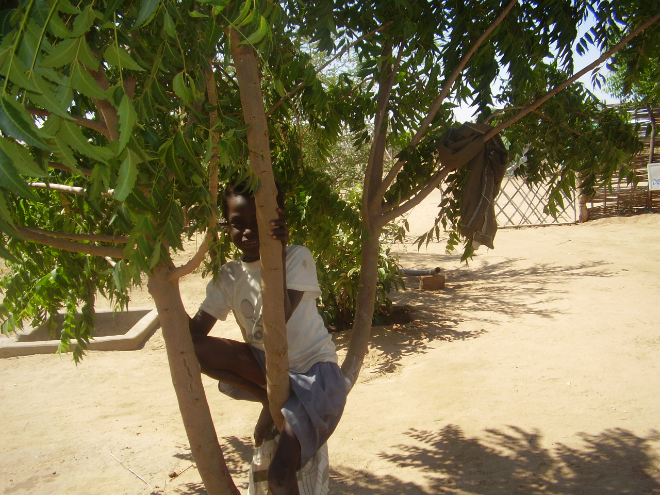
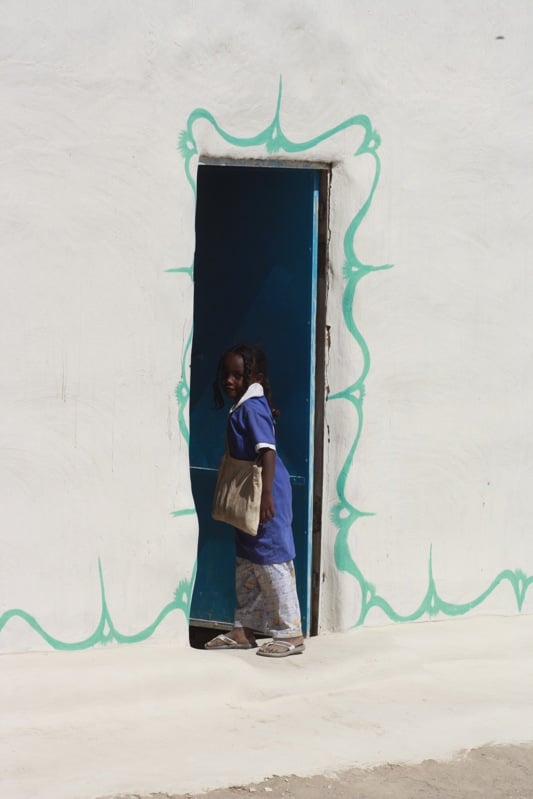
In Somalia, longstanding conflict, internal displacement, drought and food insecurity, alongside weakened institutional protection systems, have increased girls’ exposure to sexual and gender-based violence (SGBV). Conflict, displacement and severe climate crises also leave millions of children out of school, with girls facing particular risks of exclusion. Female genital mutilation (FGM) remains widespread, affecting 99% of girls and women aged 15 and older. According to UNICEF, nearly 45% of girls marry before the age of 18. SIHA Network receives numerous reports of girls as young as eight years old being married off. Somalia’s outdated Family Law of 1975 allows marriage at puberty, a provision also reflected in the proposed Sexual Intercourse Bill of 2020, leaving girls at risk.
In South Sudan, girls continue to bear the brunt of violence amid deadly clashes across Central Equatoria, Upper Nile, Jonglei and Western Equatoria, prolonged intercommunal conflict and political instability. Conflict and displacement expose girls to early and forced marriage and SGBV. At the One Stop Center managed by SIHA Network at Wau Teaching Hospital, SIHA documented 2,877 rape cases between 2020 and 2025. Of these, 2,324—approximately 81%—involved girls aged 12–17. These figures demonstrate the scale of sexual violence against girls and the urgent need for protection, survivor support, and justice.
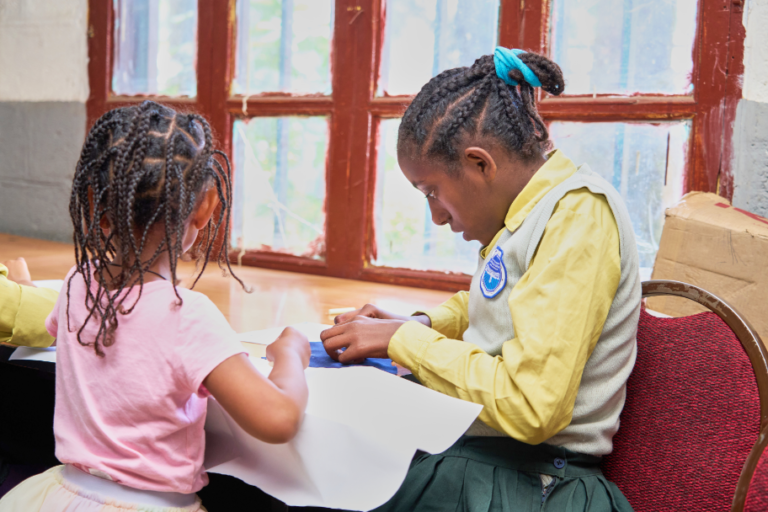
In Ethiopia, Conflict, displacement, and economic shocks have intensified protection risks for children, contributing to rising vulnerability to violence, child marriage, school dropout, and trauma. At the same time, harmful practices remain widespread, with 40% of girls married before age 18 and 65% of women and girls affected by FGM, while increased documentation of child femicide cases have highlighted persistent gaps in child protection and justice systems. Against the backdrop of renewed hostilities, cases of SGBV against girls are predicted to spike even further.
Across the region, state and non-state actors recruit and use children in armed conflict, violating their rights and exposing them to further violence and exploitation. These violations demand an unequivocal response.
We urge the Committee to hold States accountable under the African Charter on the Rights and Welfare of the Child, implement its provisions without reservation and to press those that have not yet ratified it to do so.
We call for urgent action to end sexual violence, child and forced marriage, female genital mutilation, and the recruitment and use of children. Perpetrators must be held accountable, and children unlawfully detained must be released, with missing children traced and protected.
States must ensure safe access to education, child-friendly justice, healthcare and psychosocial support, working with women-led organizations to strengthen protection and referrals.
Your Excellencies, girls’ safety and education must be central to this Committee’s engagement with countries affected by conflict. We ask you to demand concrete commitments and monitor their implementation.
Thank you.