Briefing Paper: INCLUSIVE DEMOCRACY IN SOMALIA

This briefing paper examines the importance of safeguarding women’s political representation amid Somalia’s transition to a One-Person-One-Vote electoral system, highlighting how electoral reform, entrenched patriarchal norms, clan dynamics, and weak enforcement mechanisms may undermine existing gains in women’s participation.
JOINT STATEMENT: We Call for Zero Tolerance to FGM in Somaliland No Sunna. No Medicalization. No Exceptions.
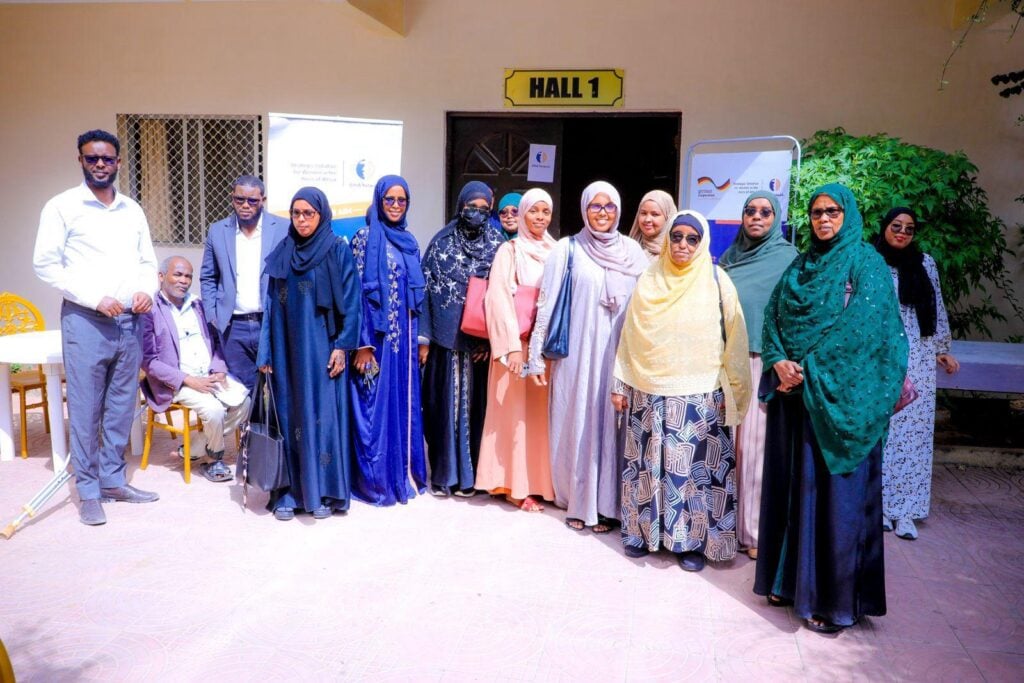
We, women’s rights organizations in Somaliland, strongly condemn the continued practice of Female Genital Mutilation (FGM), which affects 99 percent of women and girls in the country.
We recognize that this harmful practice constitutes a grave violation of human rights, bodily integrity, dignity, and
A Somalia Free from FGM/C in all its forms
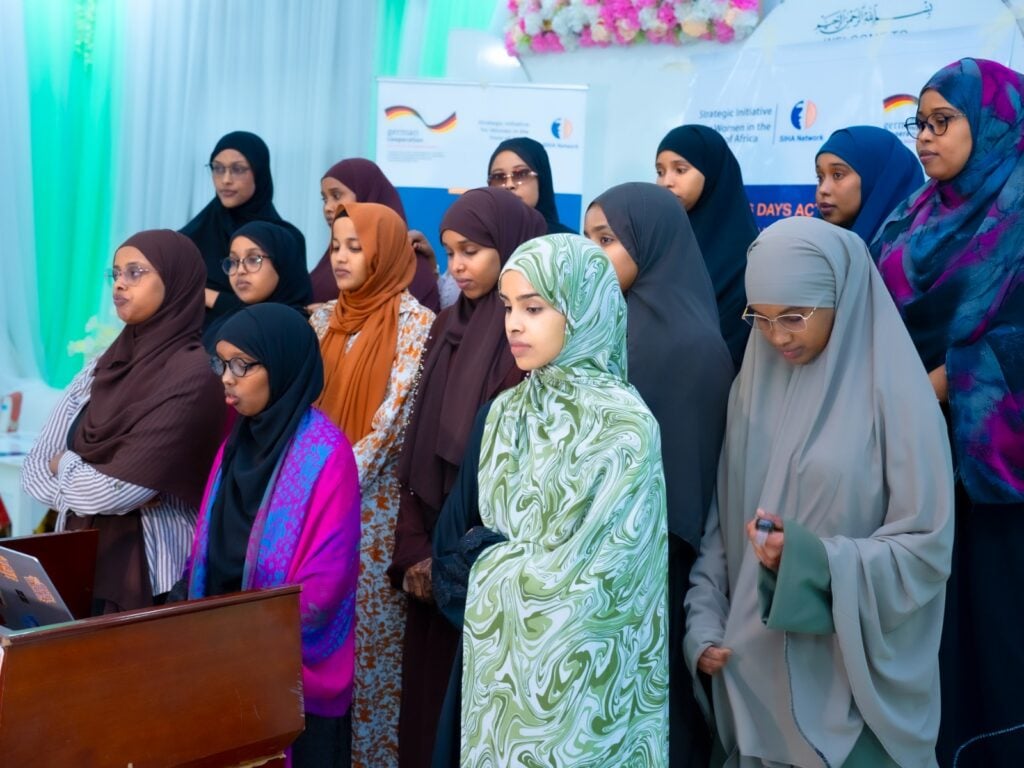
Female Genital Mutilation/Cutting (FGM/C) remains one of the most severe forms of violence against women and girls in Somalia, with a prevalence rate of over 99% among women aged 15 to 491.
Despite its devastating health consequences and violation of fundamental human rights, the practice persists under the guise of cultural tradition, social pressure, and false religious justification.
The Draft Anti-FGM Bill of 2019 represents an important milestone in the struggle to end FGM
Analysis of Somalia’s Anti-FGM Bill (2019) – A Human Rights Perspective
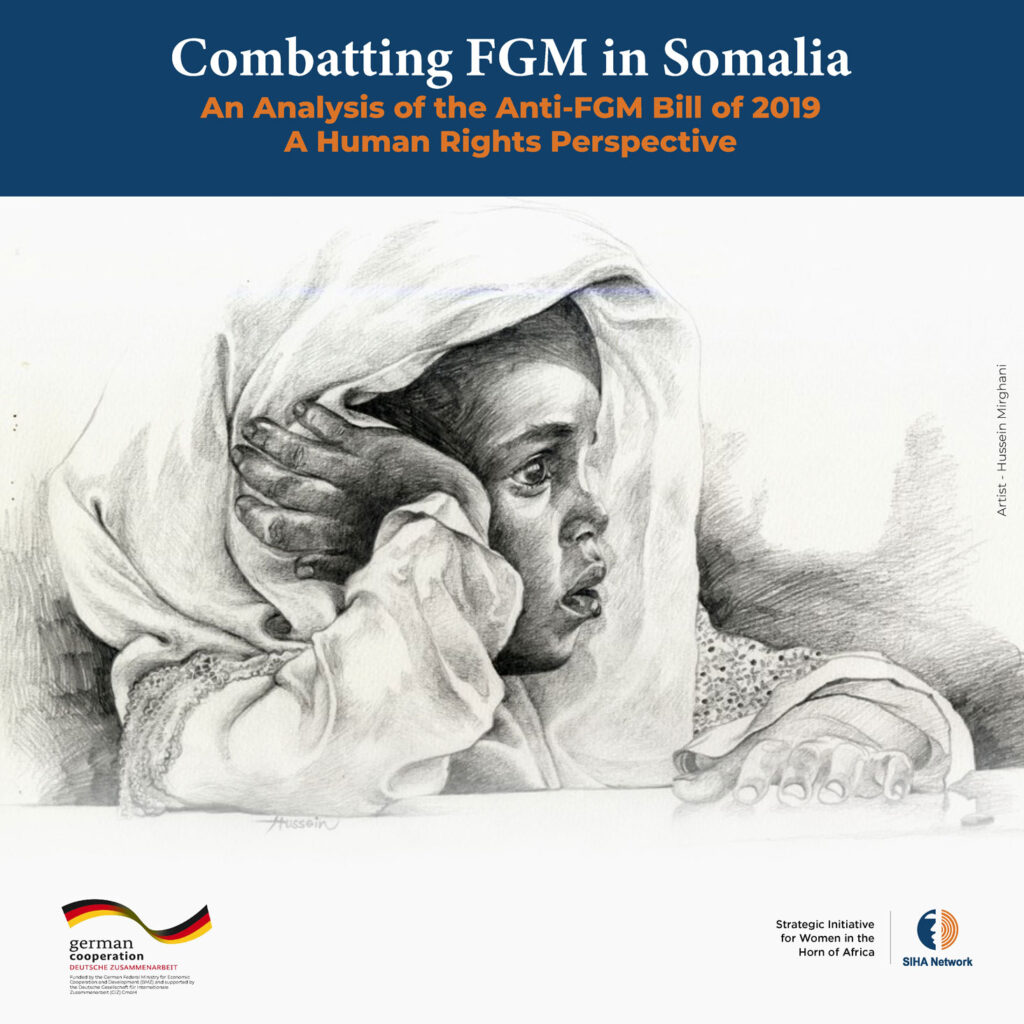
This Policy Brief provides a detailed analysis of Somalia’s Anti-FGM Bill, assessing its strengths, weaknesses, and opportunities for improvement. It also offers recommendations to better align the legislation with international and regional human rights frameworks, strengthening the legal foundation to effectively address and reduce the persistently high prevalence of FGM in Somalia
Unsafe and Unheard: Women Market Vendors Demand Social Protection and Economic Justice
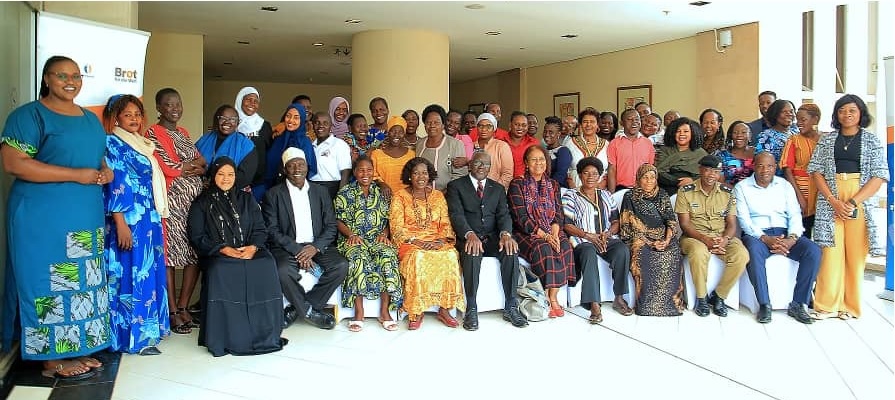
Women market vendors (WMVs) sustain households, feed communities, and power local economies, often as primary breadwinners and caregivers. Yet, the spaces that depend on their labour remain perilous and poorly governed.
Across nine (9) markets in Arua City, the Strategic Initiative for Women in the Horn of Africa (SIHA) Network’s recen
🚨 Gender Alert -The Case of Fahima and Farah Mohamoud: Perverse Sexual Violence in Somalia as a Crisis of Impunity and Silence
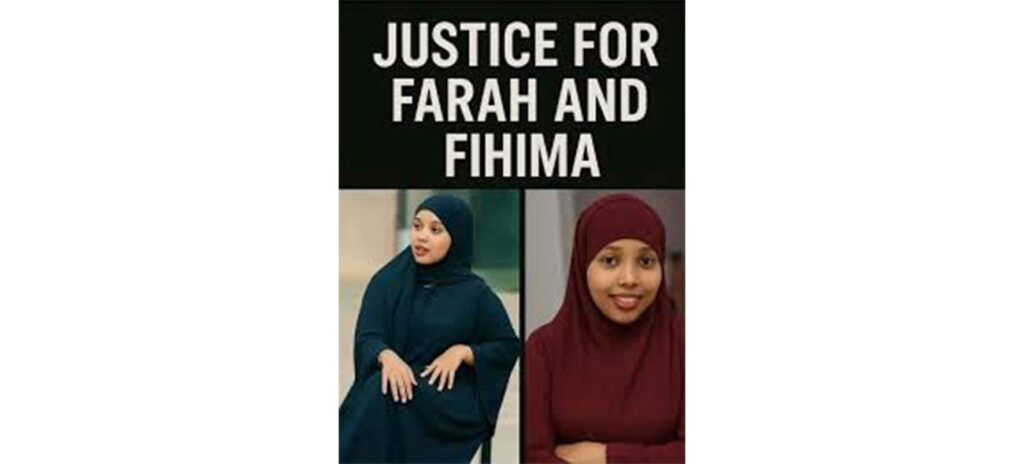
On June 13, 2025, in the town of Lascanood located near the contested border between Somalia and Somaliland, two young sisters, Fahima Yasiin Mohamoud (16 years old) and Farah Yasiin Mohamoud (17 years old) , were brutally beaten and gang-raped by twenty-five (25) men aged between 17 and 20 years old.
PRESS STATEMENT: Women’s Rights Organizations (WROs) Call for Equitable and Inclusive Representation in the Formation of Somalia’s Human Rights Commission
We acknowledge and commend the government for initiating the long-overdue process of establishing a Human Rights Commission, an essential constitutional obligation and a key demand of civil society actors across the country for over a decade.
While this step is welcome and reflects the
YOUR GUIDE TO SEXUAL CONSENT AND ASSUALT
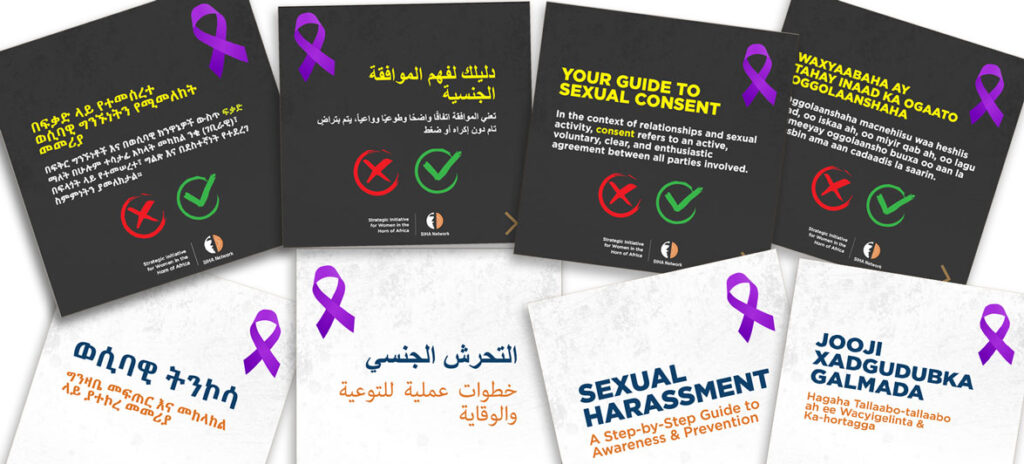
Consent is not just a buzzword.
DidYouKnow April is Sexual Assault Awareness Month?
Read more to learn
LOST GAINS: SOMALIA’S REGRESSION FROM WOMEN’S EMPOWERMENT TO SYSTEMIC OPPRESSION
This Briefing Paper, aims to support and strengthen feminist resistance movements and collectives across Africa, empowering them to advance gender justice while remaining inclusive and resilient against the rising attacks from anti-rights movements.
Silenced Suffering: Unveiling Sexual Violence Against Displaced and Minority Women in Somalia and Somaliland
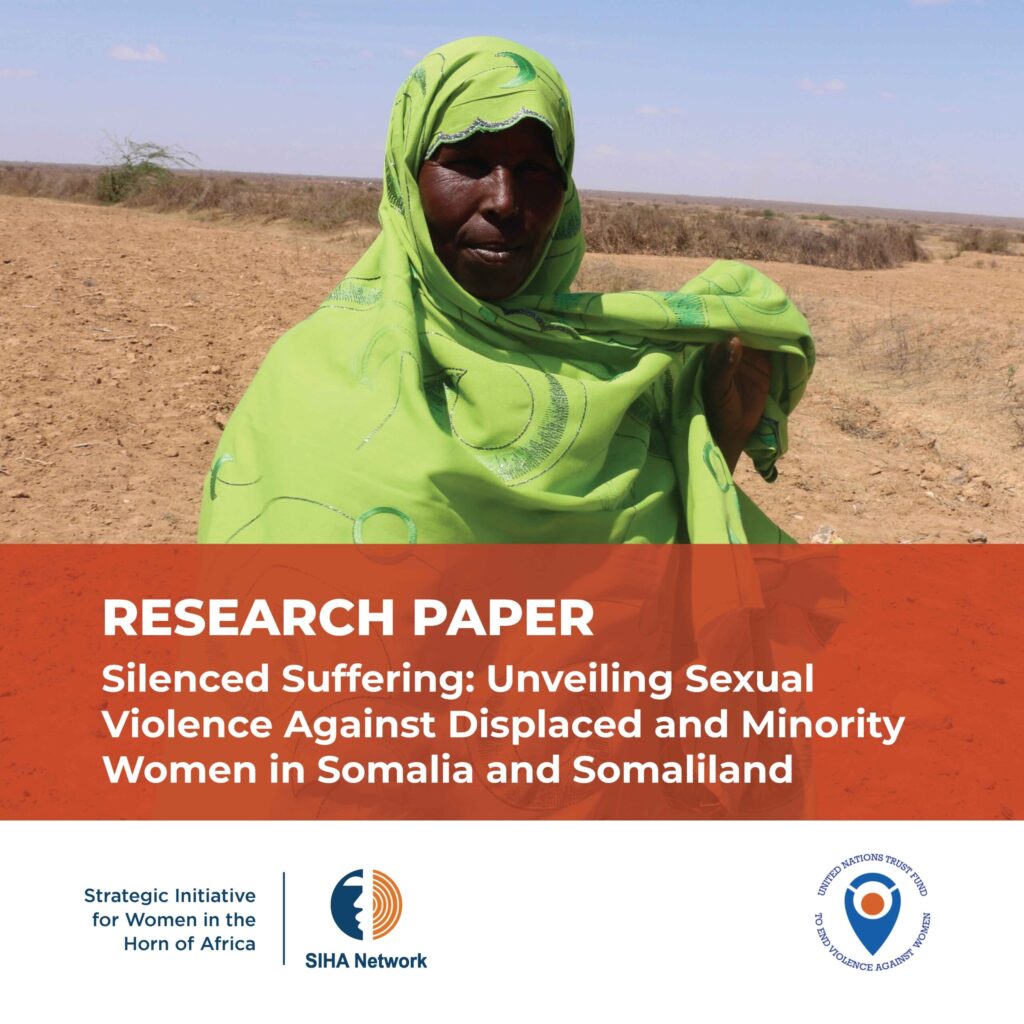
Sexual violence is a severe issue in Somalia and Somaliland, with many cases unreported or unaddressed. A recent incident involved a 13-year-old girl being attacked by multiple men, exemplifying the widespread problem. The impact of such violence includes health issues, unwanted pregnancies, isolation, stigmatization, and severe psychological trauma, sometimes leading to suicide.