To Permanent Representatives of Member and Observer States of the United Nations (UN) Human Rights Council (Geneva, Switzerland)
14 August 2025
Sudan: Extend the mandate of the Fact-Finding Mission for two more years
Your Excellencies,
Ahead of the UN Human Rights Council’s 60th session (8 September-8 October 2025), we, the undersigned civil society organisations, write to urge your delegation to support a mandate extension for the Independent International Fact-Finding Mission (FFM) for the Sudan.
In light of the serious violations of international law committed by all parties to the conflict, including alarming rates of sexual and gender-based violence (SGBV) against women and girls, and of the ongoing need to collect and preserve evidence and identify those responsible with a view to ensuring that they are held accountable, the next Council resolution on Sudan should extend the FFM’s mandate for at least two years. It should also request the FFM to regularly report to the Council in the framework of public debates on Sudan’s human rights situation.
By adopting resolution 57/2,[1] in October 2024, the Council did not only extend the FFM’s mandate; it recognised the link between impunity and cycles of violence in Sudan. The voting result (23 in favour, 12 against) showed broad support across all regional groups for the FFM’s work and sent a clear message in favour of ongoing investigations and accountability.
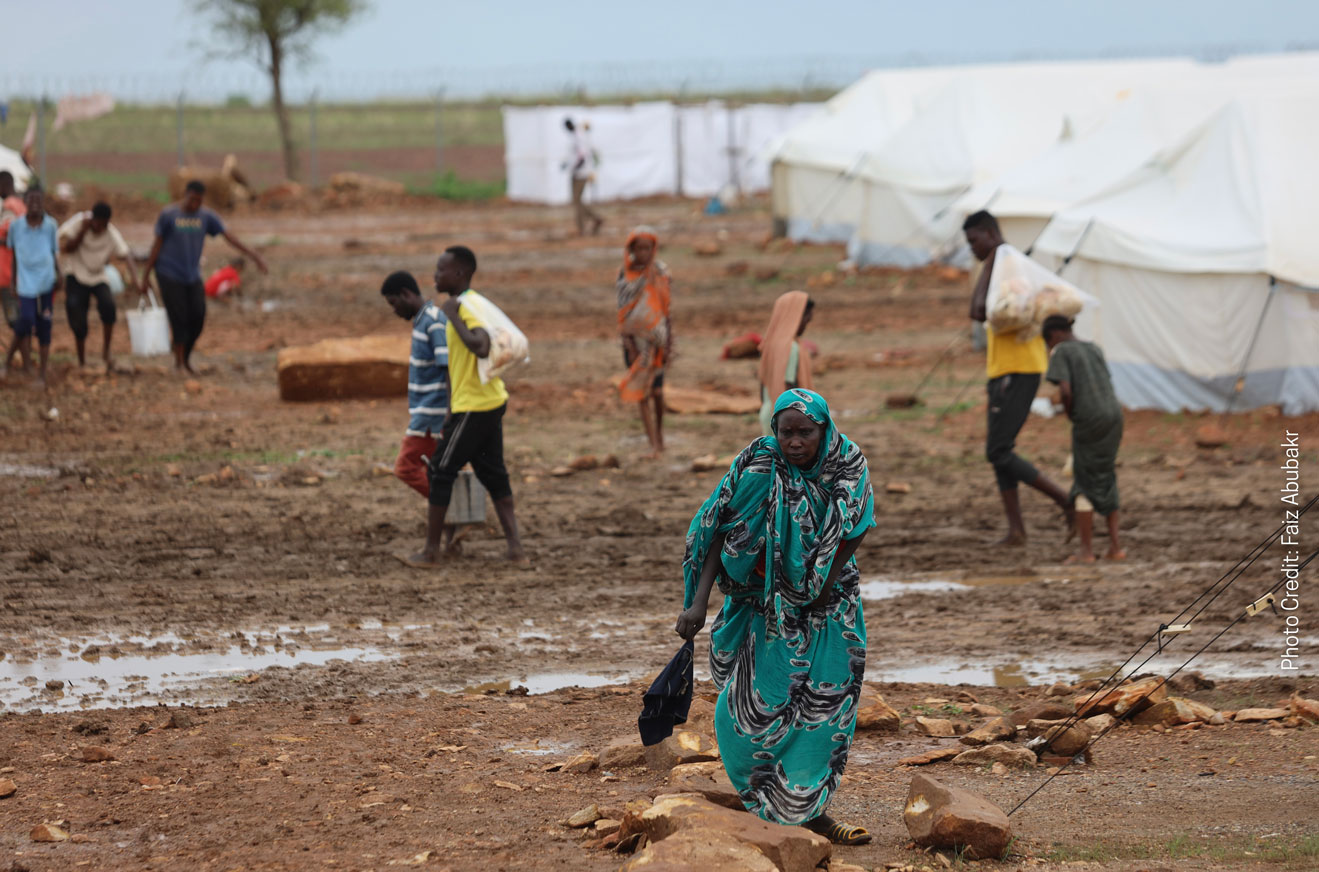
The current conflict is now in its third year. Since fighting erupted between the Sudanese Armed Forces (SAF) and the Rapid Support Forces (RSF) and their allied forces, on 15 April 2023, tens of thousands of civilians have been killed and over 13 million have been displaced, which makes Sudan the world’s largest displacement crisis. Over 10.7 million people (or nearly a quarter of Sudan’s population) have been internally displaced, a figure that includes over two million new displacements in the first quarter of 2025 alone.[2]
The humanitarian crisis is worsening. As of mid-June 2025, 30 million people needed lifesaving aid. According to a UN official, the health system has been “smashed to pieces, with cholera, measles and other diseases spreading,” while “hospitals and displacement camps have been attacked, critical infrastructure destroyed, and aid trucks hit, preventing them from getting food and essential supplies to those in such desperate need.”[3] With the war continuing unabated and no signs of reprieve for civilians as both parties escalate their violence, and as all sides are targeting local responders, activists, and journalists, Sudan is on the verge of collapse,[4] with catastrophic consequences for the protection of civilians.
Twenty-eight months after the start of the conflict, parties continue to show utter disregard for international humanitarian law, international human rights law, and their commitments under the Jeddah Declaration of Commitment to Protect the Civilians of Sudan. Violations they are responsible for, some of which may amount to crimes under international law, include targeted and indiscriminate attacks against civilians and civilian objects, arbitrary detention, torture, enforced disappearances,[5] extrajudicial executions and other unlawful killings, widespread sexual violence against women and girls, and ethnically motivated attacks, including in Darfur, by RSF and allied Arab militias, against Masalit and other non-Arab communities.[6]
SGBV is being committed systematically against the bodies of women and girls. Because deliberate obstructions to humanitarian assistance as well as armed attacks on medical objects and personnel causes constraints in the provision of key health services and psychosocial support, survivors of sexual violence are unable to receive the care they need. Numerous victims of gang rape have died as a result of their injuries or by suicide.[7]
In its oral update to the Council, in June 2025, the FFM described a “brutal, multifaceted and increasingly complex conflict” whose shifting dynamics include revenge killings and reprisals. It added that “[w]hat began as a political and security crisis has become a grave human rights and protection emergency, marked by international crimes, that stain all involved.” It stressed that “[i]t is unconscionable that this devastating war is entering its third year with no sign of resolution.”
The FFM called on the international community to implement an arms embargo and ensure those responsible for serious violations are held accountable. Stressing that it had documented an “increased use of heavy weaponry in populated areas and a sharp rise in sexual and gender-based violence,” it said humanitarian relief was being “weaponized” and hospitals and medical facilities were “under siege.” The FFM also made clear that “[t]he scale of human suffering continue[d] to deepen.”[8]
Nowhere is safe, and civilians bear the brunt of the conflict. They continue to be targeted for killings, through direct and indiscriminate attacks, artillery shelling and airstrikes,[9] sexual violence, abductions and looting. Women and girls have been facing “escalating risks of gang rape, sexual slavery, trafficking, and forced marriage, particularly in Al Gezira, [Sennar], Darfur, and South Kordofan.”[10]
Attacks against civilians have been reported in, among others, displacement camps and markets in Khartoum, Omdurman, Darfur, South Kordofan, and North Kordofan.[11]
Recent months have witnessed an increase in the use of unmanned aerial vehicles (drones), including against humanitarian convoys and civilian infrastructure.[12] A rise in extrajudicial executions of civilians has also been reported in North Darfur and Khartoum State, including as part of retaliatory attacks against people accused of having “collaborated” with parties to the conflict.[13]
Against this backdrop, and despite ongoing challenges related to the UN’s liquidity crisis and Sudanese authorities’ continued refusal to allow its members and secretariat access to the country, the FFM has been able to carry out its work. It has continued to conduct interviews with sources, receive submissions, verify videos, geolocate attacks, and compile dossiers identifying possible perpetrators. It has carried out investigative missions to neighbouring countries and engaged in consultations with African Union (AU) officials[14] and civil society. It has also initiated cooperation with relevant judicial entities[15] and is mandated to “cooperate and share best practice with other international, regional and domestic accountability initiatives, as and when these are established, as appropriate.”[16]
The FFM remains a critical international mechanism with the mandate, resources, expertise and experience to independently investigate and report on violations committed throughout Sudan, and that prioritises accountability. The FFM’s expertise includes the ability to use methodologies, tools, and methods of work to document, investigate and establish the facts, circumstances and root causes of violations, collect and preserve evidence, and identify perpetrators even without access to Sudan’s territory. The (SAF-aligned) Sudanese authorities’ refusal to cooperate with the FFM, despite Sudan’s commitment as a Human Rights Council Member and pursuant to UN General Assembly resolution 60/251 to “uphold the highest standards in the promotion and protection of human rights” and “fully cooperate with the Council,” does not and will not prevent the FFM from fulfilling its mandate.[17]
~ ~ ~
As the FFM highlighted in its June 2025 update: “One message emerged with resounding clarity: peace without justice is an illusion. Accountability is not a luxury; it is a prerequisite for a sustainable peace in Sudan as its very absence is amongst the key root causes of conflict. The preparations for justice should therefore begin now, and any peace agreement must address issues of justice.”
Investigations and public reporting remain indispensable, with a continued strong focus on investigating the current atrocities, including crimes of SGBV perpetrated against the Sudanese people, particularly women and girls, by the warring parties.
As Sudan’s conflict is ongoing and egregious violations continue to be committed by all parties to the conflict, with further needs for collection and preservation of evidence and identification of perpetrators, there is no other option for the Council but to extend the FFM’s mandate.
At its upcoming 60th session, the Human Rights Council should therefore:
- Extend the mandate of the FFM, in full, for two years;
- Request the FFM to provide the Human Rights Council with oral updates on its work at its 62nd and 65th sessions, to be followed by enhanced interactive dialogues that should include the participation of the High Commissioner for Human Rights, representatives of the African Union, the Special Adviser to the Secretary-General on the Prevention of Genocide, civil society, victims and survivors and other relevant stakeholders, and comprehensive reports at its 63rd and 66th sessions, to be followed by interactive dialogues, and to present the reports to the General Assembly at its 81st and 82nd sessions;
- Recommend that the General Assembly submit the reports of the FFM to the Security Council for its consideration and appropriate action in order that those responsible for human rights violations, including those that may amount to crimes under international law, are held to account, including through the expansion of the International Criminal Court’s jurisdiction to cover the entire territory of Sudan and consideration of the scope for effective and targeted measures, including against those who appear to be most responsible for these crimes, taking into account the relevant conclusions and recommendations of the FFM;
- Call upon all parties concerned, including United Nations bodies, to consider implementation of the recommendations made by the FFM in its reports in order to address the dire situation of human rights in Sudan;
- Invite the FFM to consider ways of briefing all relevant United Nations bodies, including the Security Council; and
- Make clear that the Human Rights Council will remain actively seized of the matter, including by assessing the situation in Sudan and appropriate responses, which could include further extensions of the FFM’s mandate.
A two-year extension for the FFM’s mandate does not mean that the HRC should remain silent about Sudan for two years. Notwithstanding the proposed mandate extension, with associated reporting requirements, until the Council’s 66th session (September 2027), the Council should adopt a resolution on Sudan at its 63rd session (September 2026), taking stock of developments and following up on its action on the country to date. This should be a proactive initiative aimed at bringing violations and impunity to an end and advancing human rights and accountability in Sudan.
Furthermore, we urge the Council to follow up on resolutions S-32/1, 50/1, S-36/1, 54/2, and 57/2 by requesting additional reporting by the High Commissioner, with the assistance of his designated Expert, beyond the Council’s 61st session (February-April 2026).[18] The Council should:
- Request the High Commissioner, with the assistance of the Expert on human rights in the Sudan, to submit to the Human Rights Council at its 64th and 67th sessions comprehensive reports on the situation of human rights in the Sudan and on violations and abuses committed by all parties to the conflict, to be followed by interactive dialogues with the participation of the High Commissioner and the Expert.
Finally, we urge States to pay their contributions to the UN in full and on time to mitigate the liquidity crisis and allow the FFM for Sudan, other independent investigations, and human rights bodies and mechanisms to fulfil their respective mandates, including by delivering outcomes and reports requested by intergovernmental bodies such as the Human Rights Council.
We thank you for your attention to these pressing issues and stand ready to provide your delegation with further information as required.
Sincerely,
- Act for Sudan
- Adeela for Culture And Art
- Advocacy Network for Africa
- African Centre for Democracy and Human Rights Studies (ACDHRS)
- African Centre for Justice and Peace Studies (ACJPS)
- AfricanDefenders (Pan-African Human Rights Defenders Network)
- Africans for the Horn of Africa (Af4HA)
- Afri-Sud Monitors for Human Rights Violations
- Alalg Center for Press Services
- Al-Jazeera Observatory for Human Rights (JOHR)
- Alliance for Peacebuilding
- American Friends Service Committee
- Amnesty International
- Anaka Women’s Collective for Refugees and Asylum Seekers
- ARTICLE 19 (A19)
- Atrocities Watch Africa (AWA)
- AWAFY Sudanese Organization
- Burkinabè Human Rights Defenders Coalition (CBDDH)
- Cairo Institute for Human Rights Studies (CIHRS)
- Central Minnesota Community Empowerment Organization
- CIVICUS
- Coalition for Genocide Response
- The Committee to Protect Journalists (CPJ)
- Community Development for Progress Organization
- Connection e.V.
- Consortium of Ethiopian Human Rights Organizations (CEHRO Ethiopia)
- CSW (Christian Solidarity Worldwide)
- Darfur Bar Association
- Darfuri Civil Society Bloc (Kamad)
- Darfur Victims Support Organization (DVSO)
- Darfur Women Action Group (DWAG)
- Darfur Women HRDs Coalition
- DefendDefenders (East and Horn of Africa Human Rights Defenders Project)
- Democratic Alliance of Lawyers – Sudan
- Democratic Monitor for Transparency and Rights
- Democratic Thought Project (DTP)
- Doctors Against Genocide
- Egyptian Initiative for Personal Rights (EIPR)
- Emgage Action
- Georgetown Institute for Women, Peace, and Security (GIWPS)
- Global Centre for the Responsibility to Protect (GCR2P)
- Hawai’i Institute for Human Rights
- Hraak to Change and Empower Youth
- Human Rights Watch
- Institute for Genocide and Mass Atrocity Prevention (I-GMAP), Binghamton University
- International Bar Association’s Human Rights Institute (IBAHRI)
- International Commission of Jurists (ICJ)
- International Federation for Human Rights (FIDH)
- International Peace Bureau (IPB)
- International Service for Human Rights (ISHR)
- Journalists for Human Rights (JHR) – Sudan
- Journal of Social Encounters
- Justiça Global
- Lawyers for Justice – Sudan
- Lawyers’ Rights Watch Canada
- Mouvement contre le Racisme et pour l’Amitié entre les Peuples (MRAP)
- National Network for Social Justice – Sudan
- Network of Human Rights Defenders of Guinea-Bissau (Rede dos Defensores dos Direitos Humanos da Guiné-Bissau)
- Network of the Independent Commission for Human Rights in North Africa (CIDH Africa)
- New Lines Institute
- New Sudanese Women Union
- No Business With Genocide
- NoirUnited International
- PAEMA
- Pax Christi International
- Pax Christi New York State
- PAX Netherlands
- Peace Action
- Peace and Development Foundation-Africa (PDF-Africa)
- PEN International
- Physicians for Human Rights (PHR)
- Protection International Africa
- Proximity 2 Humanity
- Public-Private Integrity (PPI) – The Gambia
- Raoul Wallenberg Centre for Human Rights
- REDRESS
- Regional Centre for Training and Development of Civil Society (RCDCS) – Sudan
- Rencontre Africaine pour la Défense des Droits de l’Homme (RADDHO)
- Rights for Peace
- Rights Realization Centre (مركز تفعيل الحقوق)
- Salam Media Organisation
- She Leads Movement
- Strategic Initiative for Women in the Horn of Africa (SIHA) Network
- Sudanese Feminist Platform for Peace and Justice (SFPPJ)
- Sudanese Organization for Justice and Human Rights
- Sudan Human Rights Defenders Coalition (SudanDefenders)
- Sudan Human Rights Hub (SHRH)
- Sudan Rights Watch Network
- Sudan Knowledge Centre
- Sudan Transparency and Policy Tracker
- Sudan Unlimited
- Tahrir Institute for Middle East Policy (TIMEP)
- Voice of Victims News Paper
- World Council of Churches
- World Organisation Against Torture (OMCT)
- Youth Citizens Observers Network (YCON Sudan)
_______________________________
[1] Available at: https://docs.un.org/A/HRC/RES/57/2. The scope of the FFM’s mandate, as well as its reports, press releases and statements, are available at: https://www.ohchr.org/en/hr-bodies/hrc/ffm-sudan/index
[2] “Sudan war intensifying with devastating consequences for civilians, UN Fact-Finding Mission says,” 17 June 2025, https://www.ohchr.org/en/press-releases/2025/06/sudan-war-intensifying-devastating-consequences-civilians-un-fact-finding; “UN experts demand international action as human rights violations escalate in Sudan’s displacement camps,” 8 May 2025, https://www.ohchr.org/en/press-releases/2025/05/un-experts-demand-international-action-human-rights-violations-escalate (accessed on 10 July 2025). In July 2025, the conflict has further escalated, which resulted in dozens of civilian casualties (see “UN rights chief condemns recent killing of scores of civilians in Sudan,” 17 July 2025, https://news.un.org/en/story/2025/07/1165420).
[3] “A call to action for protection and accountability for the people of Sudan – Statement by Tom Fletcher, Under-Secretary-General for Humanitarian Affairs and Emergency Relief Coordinator, 12 June 2025,” available at: https://reliefweb.int/report/sudan/call-action-protection-and-accountability-people-sudan-statement-tom-fletcher-under-secretary-general-humanitarian-affairs-and-emergency-relief-coordinator-12-june-2025 (accessed on 9 July 2025).
[4] See Alex de Waal, “Sudan in danger of self-destructing as conflict and famine reign,” BBC, 17 June 2025, https://www.bbc.com/news/articles/cg717385nj7o (accessed on 9 July 2025).
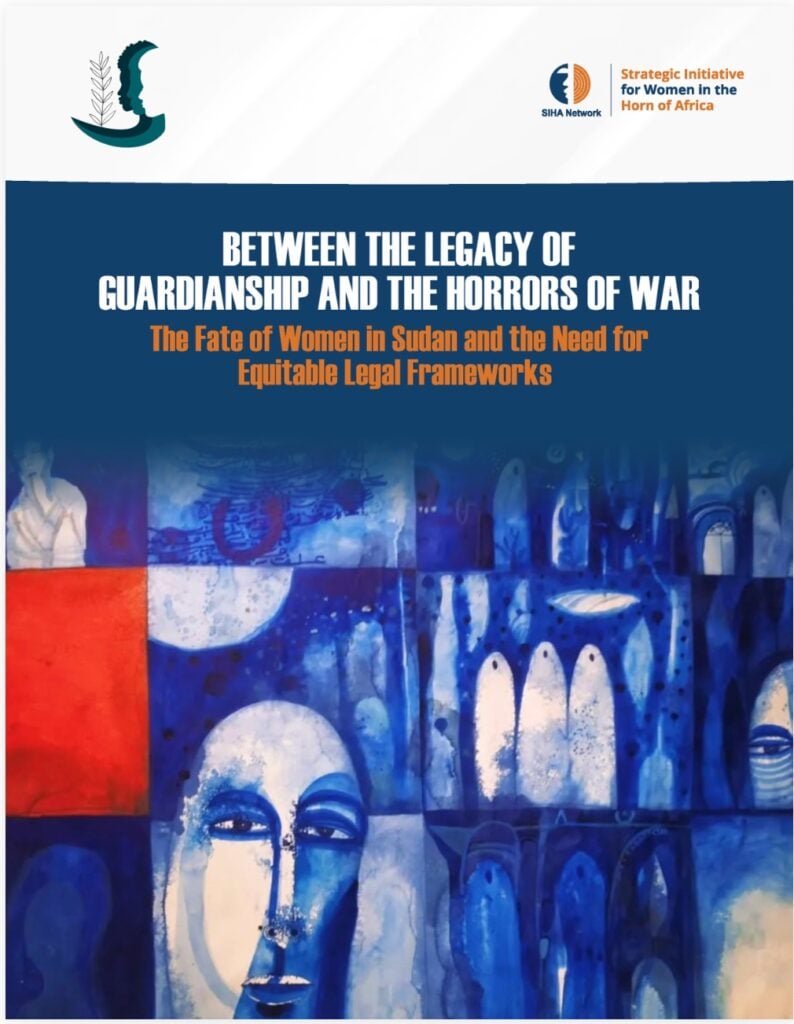
[5] Strategic Initiative for Women in the Horn of Africa (SIHA) Network, “Unseen and Unheard: The Plight of Missing Women and Girls Amidst Sudan’s Crisis,” https://sihanet.org/wp-content/uploads/2025/03/Missing-Women-and-Girls-Amidst-Sudans-Crisis.pdf (accessed on 23 July 2025).
[6] In its first report to the Council, presented in September 2024, the FFM found that both the SAF and the RSF were responsible for “patterns of large-scale violations,” including war crimes, and that it had “reasonable grounds to believe” that, in addition, “acts committed by the RSF and its allied militias [amounted to] crimes against humanity” (“Sudan: UN Fact-Finding Mission outlines extensive human rights violations, international crimes, urges protection of civilians,” 6 September 2024, https://www.ohchr.org/en/press-releases/2024/09/sudan-un-fact-finding-mission-outlines-extensive-human-rights-violations (accessed on 9 July 2025).
See also civil society letters and documents, including DefendDefenders et al., “Sudan: the Human Rights Council should establish an independent mechanism,” 1 September 2023, https://defenddefenders.org/sudan-hrc-should-establish-mechanism/; DefendDefenders et al., “Sudan: Extend the Fact-Finding Mission’s mandate,” 17 May 2024, https://defenddefenders.org/sudan-extend-ffm-mandate/; Amnesty International, DefendDefenders and Human Rights Watch, “Q&A: Why should the mandate of the Fact-Finding Mission (FFM) for Sudan be extended at HRC57?” 27 August 2024, https://defenddefenders.org/qa-extend-ffm-sudan-hrc57/ (accessed on 10 July 2025).
In a briefing to the UN Security Council, on 10 July 2025, the Deputy Prosecutor of the International Criminal Court (ICC) stated that “[…] on the basis of our independent investigations, the position of our Office is clear: We have reasonable grounds to believe that war crimes and crimes against humanity have been and are continuing to be committed in Darfur” (ICC, “Statement of Deputy Prosecutor Nazhat Shameem Khan to the United Nations Security Council on the Situation in Darfur, pursuant to Resolution 1593 (2005),” https://www.icc-cpi.int/news/statement-deputy-prosecutor-nazhat-shameem-khan-united-nations-security-council-situation (accessed on 21 July 2025)).
[7] Some women’s rights organisations have documented hundreds of cases of sexual violence against women and girls in the form of rape, gang rape, sexual slavery and forced marriage (SIHA Network, “Statement by the Strategic Initiative for Women in the Horn of Africa (SIHA Network) on Sudan – (no. OBS/433),” 3 May 2025, https://sihanet.org/statement-by-the-strategic-initiative-for-women-in-the-horn-of-africa-siha-network-on-sudan-no-obs-433/ (accessed on 23 July 2025) (As of 23 July 2025, SIHA had documented over 480 cases. These crimes have targeted women across all ages, from six to 68 years old, with 25.4 % of these documented cases involving children.)
[8] “Oral update by the Independent International Fact-Finding Mission for the Sudan at the 59th session of the Human Rights Council,” available on the HRC extranet. See also “Sudan war intensifying with devastating consequences for civilians, UN Fact-Finding Mission says,” op. cit.
[9] Human Rights Watch, “Sudan: Armed Forces Airstrikes in South Darfur,” 4 June 2025, https://www.hrw.org/news/2025/06/04/sudan-armed-forces-airstrikes-south-darfur (accessed on 10 July 2025).
[10] “Sudan: Experts denounce systematic attacks on women and girls,” 14 May 2025, https://www.ohchr.org/en/press-releases/2025/05/sudan-experts-denounce-systematic-attacks-women-and-girls (accessed on 9 July 2025): “In some attacks, entire families have reportedly been torn apart, with women raped in front of relatives or abducted for prolonged sexual violence. ‘Sexual violence continues to be used systematically as a weapon of war in Sudan,’ [the experts] warned. The experts said that in villages such as Al Seriha, Azrag, Ruffa, and Abu Gelfa, women have taken their own lives following traumatic assaults, noting that survivors are increasingly and openly contemplating suicide as a means of escaping the ongoing horrors of the conflict. […] Victims are taken from displacement settings, markets, and shelters, amid a collapse of protection systems. […] The experts were also alarmed by continued attacks on women human rights defenders and frontline workers, who have reportedly been raped, killed, or harassed for assisting survivors or documenting abuses.”
See also Amnesty International, “Sudan: ‘They Raped All of Us’: Sexual Violence Against Women and Girls in Sudan,” 9 April 2025, https://www.amnesty.org/en/documents/afr54/9201/2025/en/ (accessed on 10 July 2025).
[11] “Sudan: Türk warns of catastrophic surge in violence,” 20 June 2025, https://www.ohchr.org/en/press-releases/2025/06/sudan-turk-warns-catastrophic-surge-violence; “Sudan: Alarm as civilians killed in attacks on markets,” 13 December 2024, https://www.ohchr.org/en/statements-and-speeches/2024/12/sudan-alarm-civilians-killed-attacks-markets (accessed on 10 July 2025); “UN experts demand international action as human rights violations escalate in Sudan’s displacement camps,” op. cit.
See also UN News, “International Criminal Court: War crimes, systematic sexual violence ongoing in Darfur,” 10 July 2025, https://news.un.org/en/story/2025/07/1165367 (accessed on 21 July 2025)).
[12] “Sudan: Drone strikes must be investigated,” 4 June 2025, https://www.ohchr.org/en/press-releases/2025/06/sudan-drone-strikes-must-be-investigated; The Guardian, “Drone strikes hit Port Sudan airport and army base in third day of attacks,” 6 May 2025, https://www.theguardian.com/world/2025/may/06/drone-strikes-hit-port-sudan-airport-army-base-third-day-attacks (accessed on 10 July 2025).
[13] In this regard, the FFM pointed to violations committed by both RSF and SAF, including, in areas recaptured by the SAF, such as Khartoum, Gezira, and Sennar, “widespread retaliatory violence between late 2024 and mid-2025” (“Sudan war intensifying with devastating consequences for civilians, UN Fact-Finding Mission says,” op. cit.). See also “Horrors in Sudan know no bounds, warns Türk, urging an end to the conflict,” 1 May 2025, https://www.ohchr.org/en/press-releases/2025/05/horrors-sudan-know-no-bounds-warns-turk-urging-end-conflict (accessed on 9 July 2025).
The High Commissioner also highlighted: “Our Office has also documented a disturbing rise in online hate speech and incitement to violence, with lists of individuals accused of collaborating with the RSF posted online” (“Sudan: UN Human Rights Chief appalled by widespread extrajudicial killings in Khartoum,” 3 April 2025, https://www.ohchr.org/en/press-releases/2025/04/sudan-un-human-rights-chief-appalled-widespread-extrajudicial-killings (accessed on 10 July 2025)).
Frequently, women who were forcibly disappeared by the RSF and found by SAF in recaptured areas have been accused of being “collaborators” with the RSF and have subsequently been detained and charged under the Sudanese Criminal Code of 1991 and the Anti-Terrorism Act of 2001. Often, these women are from poorer socio-economic backgrounds and are targeted based on their ethnicity and place of residence (SIHA Network, “Statement by the Strategic Initiative for Women in the Horn of Africa (SIHA Network) on Sudan – (no. OBS/433),” op. cit.).
[14] In August 2024, the African Commission on Human and Peoples’ Rights (ACHPR) adopted resolution Res.590 (LXXX) 2024, in which it decided to undertake a Joint Fact-Finding Mission with the AU Peace and Security Council. In November 2024, it adopted Res.609 (LXXXI) 2024, which renewed the Mission’s mandate for six months, requesting it to carry out its work in a hybrid format “comprising field missions and virtual investigations, depending on the resources provided [by the AU].” In May 2025, the ACHPR adopted Res.635 (LXXXIII) 2025, which extended the Mission’s mandate for an additional period of six months, “maintain[ing] the objective of carrying out a field mission in Sudan and neighboring countries.”
[15] See “Sudan war intensifying with devastating consequences for civilians, UN Fact-Finding Mission says,” op. cit.; Amnesty International, DefendDefenders and Human Rights Watch, “Q&A,” op. cit.
[16] See the FFM’s mandate (https://www.ohchr.org/en/hr-bodies/hrc/ffm-sudan/index).
In resolution 57/2 (October 2024), the Human Rights Council encouraged the FFM to “give due regard to ensuring the complementarity of its efforts with those of other actors, including independent national accountability efforts and regional investigations” (operative paragraph 16).
[17] Amnesty International, DefendDefenders and Human Rights Watch, “Q&A,” op. cit. (in particular, Sections 3 and 4).
[18] Current reporting by the High Commissioner ends at the Council’s 61st session. Pursuant to operative paragraph 18 of resolution 57/2, the High Commissioner, with the assistance of his Expert on human rights in the Sudan, is requested to submit a “comprehensive report on the situation of human rights in the Sudan and on violations and abuses committed by all parties to the conflict […]” to the Council at its 61st session. (As per paragraph 17 of resolution S-32/1, “the term of office for the designated Expert on Human Rights in the Sudan should conclude upon the restoration of its civilian-led Government”).
14 أغسطس 2025
السودان: تمديد ولاية بعثة تقصّي الحقائق لعامين إضافيين
إلى الممثلين الدائمين للدول الأعضاء والدول المراقبة في مجلس حقوق الإنسان بالأمم المتحدة
أصحاب السعادة،
(جنيف، سويسرا) مع قرب انعقاد الجلسة الـ 60 لمجلس حقوق الإنسان بالأمم المتحدة (والمقررة في الفترة من 8 سبتمبر حتى 3 أكتوبر 2025)، نخاطبكم نحن، منظمات المجتمع المدني الموقعة أدناه، لحث بعثاتكم على دعم تمديد ولاية بعثة تقصّي الحقائق الدولية المستقلة بشأن السودان. وذلك في ظل الانتهاكات الجسيمة للقانون الدولي التي ترتكبها مختلف أطراف النزاع، والمعدلات المقلقة للعنف الجنسي والعنف القائم على النوع الاجتماعي بحق النساء والفتيات، والحاجة الملحة إلى مواصلة جمع الأدلة وحفظها وتحديد الجناة لضمان محاسبتهم.
لذا، ينبغي أن يتضمّن القرار المقبل للمجلس بشأن السودان تمديدًا لولاية بعثة تقصي الحقائق لمدة لا تقل عن عامين. كما يجب أن يُطلب من البعثة تقديم تقارير منتظمة للمجلس في إطار مناقشات علنية حول حالة حقوق الإنسان في السودان.
أن القرار رقم 57/2 [1] المُعتمد في أكتوبر 2024، بتمديد ولاية البعثة أشار بوضوح للصلة المباشرة بين الإفلات من العقاب وتكرار دوامات العنف في السودان. وقد أظهرت نتائج التصويت (23 صوتًا مؤيدًا مقابل 12 معارضًا) دعمًا واسعًا من مختلف المجموعات الإقليمية لعمل البعثة، وأرسلت رسالة واضحة لصالح مواصلة التحقيقات وضمان المساءلة.
لقد دخل النزاع في السودان عامه الثالث. وبسبب الاقتتال بين القوات المسلحة السودانية وقوات الدعم السريع والقوات المتحالفة معها منذ 15 أبريل 2023، لقي عشرات الآلاف من المدنيين مصرعهم، ونزح أكثر من 13 مليون شخص، مما جعل من السودان أكبر أزمة نزوح في العالم. هذا بالإضافة إلى تهجير أكثر من 10.7 ملايين شخص داخليًا (ربع سكان السودان تقريبًا)، بينهم أكثر من 2 مليون حالة نزوح جديدة خلال الربع الأول من عام 2025 فقط. [2]
تتفاقم الأزمة الإنسانية في السودان على نحو مفجع. ففي منتصف يونيو 2025، وصل عدد المحتاجين إلى مساعدات إنسانية لإنقاذ حياتهم إلى 30 مليون شخص. ووفقًا لمسئول أممي، فإن النظام الصحي قد تم تدميره بالكامل، وتنتشر أمراض الكوليرا والحصبة فضلاً عن أمراض أخرى. كما تعرضت المستشفيات ومخيمات النزوح للهجوم، ودُمّرت البنية التحتية الحيوية، وتعرضت شاحنات المساعدات للقصف، مما حال دون وصول الغذاء والإمدادات الأساسية إلى من هم في أمسّ الحاجة إليها. [3] وفي ظل استمرار الحرب بلا هوادة، وتصاعد عنف الطرفين، واستهداف جميع الأطراف للفاعلين المحليين والنشطاء، يقف السودان على حافة الانهيار،[4] مما ينذر بعواقب كارثية على المدنيين.
بعد مرور 28 شهرًا على بدء النزاع، ما تزال الأطراف تُظهر تجاهلًا تامًا للقانون الإنساني الدولي، والقانون الدولي لحقوق الإنسان، وكافة التزامات السودان بموجب إعلان جدة بشأن حماية المدنيين. وتشمل الانتهاكات التي تتحمل هذه الأطراف مسئوليتها – وبعضها قد يصل حد جرائم الحرب بموجب القانون الدولي – هجمات متعمدة وعشوائية على المدنيين والبنية التحتية المدنية، و القتل، والاحتجاز التعسفي، والتعذيب، والإخفاء القسري،[5] والعنف الجنسي واسع النطاق بحق النساء والفتيات، وهجمات بدوافع عرقية، بما في ذلك في دارفور، من قبل قوات الدعم السريع وميليشيات عربية متحالفة ضد المجموعات غير العربية، خاصة قبيلة المساليت. [6] كما يُرتكب العنف الجنسي والجندري بشكل منهجي بحق النساء والفتيات.
ونظرًا للعوائق المتعمّدة أمام وصول المساعدات الإنسانية، والهجمات المسلحة على المنشآت الطبية والعاملين فيها، فإن تقديم الخدمات الصحية الأساسية والدعم النفسي الاجتماعي بات محدودًا، مما يحول دون تلقي الناجيات من العنف الجنسي الرعاية التي يحتجنها. وقد لقيت العديد من ضحايا الاغتصاب الجماعي حتفهن متأثرات بإصابتهن أو منتحرات. [7]
وفي تحديثها الشفهي أمام المجلس في يونيو 2025، وصفت بعثة تقصّي الحقائق الصراع بأنه “صراع وحشي، متعدد الأوجه ويزداد تعقيدًا”، مشيرة إلى ديناميكيات متغيرة تنطوي على عمليات قتل انتقامية. وأضافت أن “ما بدأ كأزمة سياسية وأمنية تحول إلى حالة طارئة خطيرة تتعلق بحقوق الإنسان والحماية، تتخللها جرائم دولية تتورط فيها جميع الأطراف.” وشددت على أنه “من غير المقبول أن تدخل هذه الحرب المدمرة عامها الثالث دون أفق لحل.”
كما دعت البعثة المجتمع الدولي إلى فرض حظر على بيع الأسلحة وضمان محاسبة المسئولين عن الانتهاكات الجسيمة. وأكدت أنها وثّقت “استخدامًا متزايدًا للأسلحة الثقيلة في المناطق المأهولة بالسكان وارتفاعًا حادًا في العنف الجنسي والعنف القائم على النوع الاجتماعي، مشيرة إلى أن المساعدات الإنسانية تُستخدم كسلاح، وأن المستشفيات والمرافق الطبية تتعرض للحصار. وأضافت “حجم المعاناة الإنسانية لا يزال يتفاقم.” [8]
لم يعد هناك مكان آمن، والمدنيون يدفعون الثمن الأكبر للنزاع. فهم ما زالوا أهدافًا للقتل خلال الهجمات المباشرة والعشوائية، وقصف المدفعية والغارات الجوية،[9] والعنف الجنسي، والاختطاف، والنهب. وتواجه النساء والفتيات مخاطر متزايدة من الاغتصاب الجماعي، والاستعباد الجنسي، والإتجار، والزواج القسري، لا سيما في ولاية الجزيرة، وسنار، ودارفور، وجنوب كردفان. [10]
وقد تم الإبلاغ عن هجمات بحق المدنيين، من ضمنها مخيمات النزوح والأسواق في الخرطوم وأم درمان ودارفور وجنوب وشمال كردفان. [11]وشهدت الأشهر الأخيرة تزايدًا في استخدام الطائرات المسيّرة، بما في ذلك ضد القوافل الإنسانية والبنية التحتية المدنية. [12]كما تم الإبلاغ عن ارتفاع في معدلات القتل خارج نطاق القانون بحق المدنيين في شمال دارفور وولاية الخرطوم، ضمن هجمات انتقامية ضد من يُشتبه في تعاونهم مع أطراف النزاع. [13]
ورغم التحديات المستمرة، بما في ذلك الأزمة المالية التي تعاني منها الأمم المتحدة ورفض السلطات السودانية السماح لأعضاء البعثة وأمانتها العامة بدخول البلاد، استطاعت البعثة مواصلة عملها. واستمرت في إجراء مقابلات مع مصادر، وتلقي البلاغات، والتحقق من مقاطع الفيديو، وتحديد مواقع الهجمات، وإعداد ملفات عن المسئولين المحتملين. كما نفّذت مهام تحقيق في دول مجاورة، وأجرت مشاورات مع مسئولي الاتحاد الإفريقي والمجتمع المدني،[14] وبدأت التعاون مع جهات قضائية ذات صلة،[15] وحظيت بتفويض للتعاون وتبادل الممارسات الفضلى مع مبادرات المساءلة الدولية والإقليمية والوطنية الأخرى، حسبما تقتضي الحاجة. [16]
وفي هذا السياق، تظل البعثة الأممية آلية دولية حاسمة تتمتع بتفويض وموارد وخبرة واستقلالية، تمكّنها من التحقيق والإبلاغ عن الانتهاكات المرتكبة في جميع أنحاء السودان، مع التركيز على المساءلة. إذ تمتلك البعثة القدرة على استخدام منهجيات وأدوات وتقنيات لتوثيق الانتهاكات والتحقيق فيها، وتحديد ملابساتها وأسبابها الجذرية، وجمع الأدلة وحفظها، وتحديد الجناة، حتى دون دخولها الأراضي السودانية.
إن رفض السلطات السودانية (المتحالفة مع القوات المسلحة) التعاون مع البعثة، رغم عضوية السودان في مجلس حقوق الإنسان وتعهداته بموجب قرار الجمعية العامة 60/251 بالالتزام بأعلى المعايير في تعزيز وحماية حقوق الإنسان التعاون الكامل مع المجلس، لم ولن يثني البعثة عن أداء مهامها. [17]
كانت البعثة قد أشارت في تحديثها في يونيو 2025: “برزت رسالة واحدة بوضوح لا لبس فيه: لا سلام بدون عدالة.” فالمساءلة ليست ترفًا، بل شرط أساسي لتحقيق سلام مستدام في السودان، إذ إن غيابها من الأسباب الجذرية للنزاع. لذا، يجب البدء فورًا بالتحضير لتحقيق العدالة، ويجب أن تعالج أي اتفاقية سلام قضايا العدالة.
وتبقى التحقيقات والتقارير العلنية ضرورية، مع مواصلة التركيز القوي على التحقيق في الفظائع الحالية، بما في ذلك الجرائم الجنسية والجندرية التي تُرتكب ضد الشعب السوداني، خصوصًا النساء والفتيات، على يد الأطراف المتحاربة.
ونظرًا لاستمرار النزاع في السودان وارتكاب جميع الأطراف انتهاكات جسيمة، والحاجة المستمرة لجمع الأدلة وحفظها وتحديد الجناة، فلا خيار أمام المجلس سوى تمديد ولاية بعثة تقصّي الحقائق.
وعليه، ينبغي لمجلس حقوق الإنسان، في جلسته المقبلة، أن يقرر:
- تمديد ولاية البعثة كاملة لمدة عامين؛
- مطالبة البعثة بتقديم تحديثات شفهية عن عملها في الدورتين 62 و65، يعقبها حوارات تفاعلية موسعة بمشاركة المفوض السامي لحقوق الإنسان، وممثلي الاتحاد الإفريقي، والمستشار الخاص للأمين العام لمنع الإبادة الجماعية، والمجتمع المدني، والضحايا والناجين، والأطراف الأخرى ذات صلة. وتقديم تقارير شاملة في الدورتين 63 و66، يليها حوارات تفاعلية، وتقديم هذه التقارير للجمعية العامة في دورتها الحادية والثمانين والثانية والثمانين؛
- التوصية بأن تتولى الجمعية العامة رفع تقارير البعثة إلى مجلس الأمن للنظر فيها واتخاذ الإجراء المناسب لضمان محاسبة المسئولين عن انتهاكات حقوق الإنسان، بما في ذلك الجرائم التي قد تُعتبر جرائم دولية، من خلال توسيع اختصاص المحكمة الجنائية الدولية ليشمل كامل أراضي السودان، والنظر في اتخاذ تدابير فعالة ومحددة ضد المسئولين الأساسيين عن هذه الجرائم، مع الأخذ بعين الاعتبار نتائج وتوصيات البعثة؛
- دعوة جميع الأطراف المعنية، بما في ذلك هيئات الأمم المتحدة، للنظر في تنفيذ توصيات البعثة الواردة في تقاريرها بهدف معالجة الوضع الكارثي لحقوق الإنسان في السودان؛
- دعوة البعثة للنظر في سُبل إحاطة جميع هيئات الأمم المتحدة ذات الصلة، بما في ذلك مجلس الأمن، بنتائج عملها؛
- التأكيد على أن مجلس حقوق الإنسان سيظل منخرطًا بفاعلية في متابعة الوضع في السودان، بما في ذلك تقييم الحالة والاستجابات المناسبة، والتي قد تشمل تمديدًا إضافيًا لولاية البعثة.
إن تمديد ولاية البعثة لعامين لا يعني أن مجلس حقوق الإنسان يجب أن يظل صامتًا بشأن السودان طوال هذه المدة. فرغم التمديد المقترح والتقارير المرتبطة به حتى الجلسة 66 (سبتمبر 2027)، ينبغي أن يعتمد المجلس قرارًا بشأن السودان في جلسته الـ 63 (سبتمبر 2026)، لمراجعة التطورات ومتابعة إجراءاته السابقة بشأن البلاد. ويجب أن تكون هذه مبادرة استباقية تهدف إلى وضع حد للانتهاكات والإفلات من العقاب وتعزيز حقوق الإنسان والمساءلة في السودان.
علاوة على ذلك، ندعو المجلس إلى متابعة تنفيذ قراراته السابقة (S-32/1، 50/1، S-36/1، 54/2، و57/2) من خلال مطالبة المفوض السامي بتقديم تقارير إضافية، بمساعدة الخبير المعيّن، بعد الجلسة 61 (فبراير – أبريل 2026).[18]
وينبغي على المجلس أن:
- يطلب من المفوض السامي، بمساعدة الخبير المعني بحقوق الإنسان في السودان، تقديم تقارير شاملة إلى مجلس حقوق الإنسان في جلستيه الـ 64 و الـ 67 حول حالة حقوق الإنسان في السودان، والانتهاكات التي ارتكبتها جميع أطراف النزاع، يعقبها حوارات تفاعلية بمشاركة المفوض السامي والخبير.
وأخيرًا، ندعو الدول إلى دفع مساهماتها المالية بالكامل وفي الوقت المحدد إلى الأمم المتحدة للتخفيف من أزمة السيولة، وتمكين بعثة تقصّي الحقائق في السودان، إلى جانب التحقيقات المستقلة الأخرى وهيئات وآليات حقوق الإنسان، من الوفاء بولاياتها، بما في ذلك تقديم النتائج والتقارير التي تطلبها الهيئات الحكومية الدولية مثل مجلس حقوق الإنسان.
نشكر اهتمامكم بهذه القضايا الملحّة،
ونحن على استعداد لتزويد بعثاتكم بمزيد من المعلومات.
لكم منا خالص التقدير،
- Act for Sudan
- Adeela for Culture And Art
- Advocacy Network for Africa
- African Centre for Democracy and Human Rights Studies (ACDHRS)
- African Centre for Justice and Peace Studies (ACJPS)
- AfricanDefenders (Pan-African Human Rights Defenders Network)
- Africans for the Horn of Africa (Af4HA)
- Afri-Sud Monitors for Human Rights Violations
- Alalg Center for Press Services
- Al-Jazeera Observatory for Human Rights (JOHR)
- Alliance for Peacebuilding
- American Friends Service Committee
- Amnesty International
- Anaka Women’s Collective for Refugees and Asylum Seekers
- ARTICLE 19 (A19)
- Atrocities Watch Africa (AWA)
- AWAFY Sudanese Organization
- Burkinabè Human Rights Defenders Coalition (CBDDH)
- Cairo Institute for Human Rights Studies (CIHRS)
- Central Minnesota Community Empowerment Organization
- CIVICUS
- Coalition for Genocide Response
- The Committee to Protect Journalists (CPJ)
- Community Development for Progress Organization
- Connection e.V.
- Consortium of Ethiopian Human Rights Organizations (CEHRO Ethiopia)
- CSW (Christian Solidarity Worldwide)
- Darfur Bar Association
- Darfuri Civil Society Bloc (Kamad)
- Darfur Victims Support Organization (DVSO)
- Darfur Women Action Group (DWAG)
- Darfur Women HRDs Coalition
- DefendDefenders (East and Horn of Africa Human Rights Defenders Project)
- Democratic Alliance of Lawyers – Sudan
- Democratic Monitor for Transparency and Rights
- Democratic Thought Project (DTP)
- Doctors Against Genocide
- Egyptian Initiative for Personal Rights (EIPR)
- Emgage Action
- Georgetown Institute for Women, Peace, and Security (GIWPS)
- Global Centre for the Responsibility to Protect (GCR2P)
- Hawai’i Institute for Human Rights
- Hraak to Change and Empower Youth
- Human Rights Watch
- Institute for Genocide and Mass Atrocity Prevention (I-GMAP), Binghamton University
- International Bar Association’s Human Rights Institute (IBAHRI)
- International Commission of Jurists (ICJ)
- International Federation for Human Rights (FIDH)
- International Peace Bureau (IPB)
- International Service for Human Rights (ISHR)
- Journalists for Human Rights (JHR) – Sudan
- Journal of Social Encounters
- Justiça Global
- Lawyers for Justice – Sudan
- Lawyers’ Rights Watch Canada
- Mouvement contre le Racisme et pour l’Amitié entre les Peuples (MRAP)
- National Network for Social Justice – Sudan
- Network of Human Rights Defenders of Guinea-Bissau (Rede dos Defensores dos Direitos Humanos da Guiné-Bissau)
- Network of the Independent Commission for Human Rights in North Africa (CIDH Africa)
- New Lines Institute
- New Sudanese Women Union
- No Business With Genocide
- NoirUnited International
- PAEMA
- Pax Christi International
- Pax Christi New York State
- PAX Netherlands
- Peace Action
- Peace and Development Foundation-Africa (PDF-Africa)
- PEN International
- Physicians for Human Rights (PHR)
- Protection International Africa
- Proximity 2 Humanity
- Public-Private Integrity (PPI) – The Gambia
- Raoul Wallenberg Centre for Human Rights
- REDRESS
- Regional Centre for Training and Development of Civil Society (RCDCS) – Sudan
- Rencontre Africaine pour la Défense des Droits de l’Homme (RADDHO)
- Rights for Peace
- Rights Realization Centre (مركز تفعيل الحقوق)
- Salam Media Organisation
- She Leads Movement
- Strategic Initiative for Women in the Horn of Africa (SIHA) Network
- Sudanese Feminist Platform for Peace and Justice (SFPPJ)
- Sudanese Organization for Justice and Human Rights
- Sudan Human Rights Defenders Coalition (SudanDefenders)
- Sudan Human Rights Hub (SHRH)
- Sudan Rights Watch Network
- Sudan Knowledge Centre
- Sudan Transparency and Policy Tracker
- Sudan Unlimited
- Tahrir Institute for Middle East Policy (TIMEP)
- Voice of Victims News Paper
- World Council of Churches
- World Organisation Against Torture (OMCT)
- Youth Citizens Observers Network (YCON Sudan)
_____________________________________
[1] Available at: https://docs.un.org/A/HRC/RES/57/2. The scope of the FFM’s mandate, as well as its reports, press releases and statements, are available at: https://www.ohchr.org/en/hr-bodies/hrc/ffm-sudan/index
[2] “Sudan war intensifying with devastating consequences for civilians, UN Fact-Finding Mission says,” 17 June 2025, https://www.ohchr.org/en/press-releases/2025/06/sudan-war-intensifying-devastating-consequences-civilians-un-fact-finding; “UN experts demand international action as human rights violations escalate in Sudan’s displacement camps,” 8 May 2025, https://www.ohchr.org/en/press-releases/2025/05/un-experts-demand-international-action-human-rights-violations-escalate (accessed on 10 July 2025). In July 2025, the conflict has further escalated, which resulted in dozens of civilian casualties (see “UN rights chief condemns recent killing of scores of civilians in Sudan,” 17 July 2025, https://news.un.org/en/story/2025/07/1165420).
[3] “A call to action for protection and accountability for the people of Sudan – Statement by Tom Fletcher, Under-Secretary-General for Humanitarian Affairs and Emergency Relief Coordinator, 12 June 2025,” available at: https://reliefweb.int/report/sudan/call-action-protection-and-accountability-people-sudan-statement-tom-fletcher-under-secretary-general-humanitarian-affairs-and-emergency-relief-coordinator-12-june-2025 (accessed on 9 July 2025).
[4] See Alex de Waal, “Sudan in danger of self-destructing as conflict and famine reign,” BBC, 17 June 2025, https://www.bbc.com/news/articles/cg717385nj7o (accessed on 9 July 2025).
[5] Strategic Initiative for Women in the Horn of Africa (SIHA) Network, “Unseen and Unheard: The Plight of Missing Women and Girls Amidst Sudan’s Crisis,” https://sihanet.org/wp-content/uploads/2025/03/Missing-Women-and-Girls-Amidst-Sudans-Crisis.pdf (accessed on 23 July 2025).
[6] In its first report to the Council, presented in September 2024, the FFM found that both the SAF and the RSF were responsible for “patterns of large-scale violations,” including war crimes, and that it had “reasonable grounds to believe” that, in addition, “acts committed by the RSF and its allied militias [amounted to] crimes against humanity” (“Sudan: UN Fact-Finding Mission outlines extensive human rights violations, international crimes, urges protection of civilians,” 6 September 2024, https://www.ohchr.org/en/press-releases/2024/09/sudan-un-fact-finding-mission-outlines-extensive-human-rights-violations (accessed on 9 July 2025).
See also civil society letters and documents, including DefendDefenders et al., “Sudan: the Human Rights Council should establish an independent mechanism,” 1 September 2023, https://defenddefenders.org/sudan-hrc-should-establish-mechanism/; DefendDefenders et al., “Sudan: Extend the Fact-Finding Mission’s mandate,” 17 May 2024, https://defenddefenders.org/sudan-extend-ffm-mandate/; Amnesty International, DefendDefenders and Human Rights Watch, “Q&A: Why should the mandate of the Fact-Finding Mission (FFM) for Sudan be extended at HRC57?” 27 August 2024, https://defenddefenders.org/qa-extend-ffm-sudan-hrc57/ (accessed on 10 July 2025).
In a briefing to the UN Security Council, on 10 July 2025, the Deputy Prosecutor of the International Criminal Court (ICC) stated that “[…] on the basis of our independent investigations, the position of our Office is clear: We have reasonable grounds to believe that war crimes and crimes against humanity have been and are continuing to be committed in Darfur” (ICC, “Statement of Deputy Prosecutor Nazhat Shameem Khan to the United Nations Security Council on the Situation in Darfur, pursuant to Resolution 1593 (2005),” https://www.icc-cpi.int/news/statement-deputy-prosecutor-nazhat-shameem-khan-united-nations-security-council-situation (accessed on 21 July 2025)).
[7] Some women’s rights organisations have documented hundreds of cases of sexual violence against women and girls in the form of rape, gang rape, sexual slavery and forced marriage (SIHA Network, “Statement by the Strategic Initiative for Women in the Horn of Africa (SIHA Network) on Sudan – (no. OBS/433),” 3 May 2025, https://sihanet.org/statement-by-the-strategic-initiative-for-women-in-the-horn-of-africa-siha-network-on-sudan-no-obs-433/ (accessed on 23 July 2025) (As of 23 July 2025, SIHA had documented over 480 cases. These crimes have targeted women across all ages, from six to 68 years old, with 25.4 % of these documented cases involving children.)
[8] “Oral update by the Independent International Fact-Finding Mission for the Sudan at the 59th session of the Human Rights Council,” available on the HRC extranet. See also “Sudan war intensifying with devastating consequences for civilians, UN Fact-Finding Mission says,” op. cit.
[9] Human Rights Watch, “Sudan: Armed Forces Airstrikes in South Darfur,” 4 June 2025, https://www.hrw.org/news/2025/06/04/sudan-armed-forces-airstrikes-south-darfur (accessed on 10 July 2025).
[10] “Sudan: Experts denounce systematic attacks on women and girls,” 14 May 2025, https://www.ohchr.org/en/press-releases/2025/05/sudan-experts-denounce-systematic-attacks-women-and-girls (accessed on 9 July 2025): “In some attacks, entire families have reportedly been torn apart, with women raped in front of relatives or abducted for prolonged sexual violence. ‘Sexual violence continues to be used systematically as a weapon of war in Sudan,’ [the experts] warned. The experts said that in villages such as Al Seriha, Azrag, Ruffa, and Abu Gelfa, women have taken their own lives following traumatic assaults, noting that survivors are increasingly and openly contemplating suicide as a means of escaping the ongoing horrors of the conflict. […] Victims are taken from displacement settings, markets, and shelters, amid a collapse of protection systems. […] The experts were also alarmed by continued attacks on women human rights defenders and frontline workers, who have reportedly been raped, killed, or harassed for assisting survivors or documenting abuses.”
See also Amnesty International, “Sudan: ‘They Raped All of Us’: Sexual Violence Against Women and Girls in Sudan,” 9 April 2025, https://www.amnesty.org/en/documents/afr54/9201/2025/en/ (accessed on 10 July 2025).
[11] “Sudan: Türk warns of catastrophic surge in violence,” 20 June 2025, https://www.ohchr.org/en/press-releases/2025/06/sudan-turk-warns-catastrophic-surge-violence; “Sudan: Alarm as civilians killed in attacks on markets,” 13 December 2024, https://www.ohchr.org/en/statements-and-speeches/2024/12/sudan-alarm-civilians-killed-attacks-markets (accessed on 10 July 2025); “UN experts demand international action as human rights violations escalate in Sudan’s displacement camps,” op. cit.
See also UN News, “International Criminal Court: War crimes, systematic sexual violence ongoing in Darfur,” 10 July 2025, https://news.un.org/en/story/2025/07/1165367 (accessed on 21 July 2025)).
[12] “Sudan: Drone strikes must be investigated,” 4 June 2025, https://www.ohchr.org/en/press-releases/2025/06/sudan-drone-strikes-must-be-investigated; The Guardian, “Drone strikes hit Port Sudan airport and army base in third day of attacks,” 6 May 2025, https://www.theguardian.com/world/2025/may/06/drone-strikes-hit-port-sudan-airport-army-base-third-day-attacks (accessed on 10 July 2025).
[13] In this regard, the FFM pointed to violations committed by both RSF and SAF, including, in areas recaptured by the SAF, such as Khartoum, Gezira, and Sennar, “widespread retaliatory violence between late 2024 and mid-2025” (“Sudan war intensifying with devastating consequences for civilians, UN Fact-Finding Mission says,” op. cit.). See also “Horrors in Sudan know no bounds, warns Türk, urging an end to the conflict,” 1 May 2025, https://www.ohchr.org/en/press-releases/2025/05/horrors-sudan-know-no-bounds-warns-turk-urging-end-conflict (accessed on 9 July 2025).
The High Commissioner also highlighted: “Our Office has also documented a disturbing rise in online hate speech and incitement to violence, with lists of individuals accused of collaborating with the RSF posted online” (“Sudan: UN Human Rights Chief appalled by widespread extrajudicial killings in Khartoum,” 3 April 2025, https://www.ohchr.org/en/press-releases/2025/04/sudan-un-human-rights-chief-appalled-widespread-extrajudicial-killings (accessed on 10 July 2025)).
Frequently, women who were forcibly disappeared by the RSF and found by SAF in recaptured areas have been accused of being “collaborators” with the RSF and have subsequently been detained and charged under the Sudanese Criminal Code of 1991 and the Anti-Terrorism Act of 2001. Often, these women are from poorer socio-economic backgrounds and are targeted based on their ethnicity and place of residence (SIHA Network, “Statement by the Strategic Initiative for Women in the Horn of Africa (SIHA Network) on Sudan – (no. OBS/433),” op. cit.).
[14] In August 2024, the African Commission on Human and Peoples’ Rights (ACHPR) adopted resolution Res.590 (LXXX) 2024, in which it decided to undertake a Joint Fact-Finding Mission with the AU Peace and Security Council. In November 2024, it adopted Res.609 (LXXXI) 2024, which renewed the Mission’s mandate for six months, requesting it to carry out its work in a hybrid format “comprising field missions and virtual investigations, depending on the resources provided [by the AU].” In May 2025, the ACHPR adopted Res.635 (LXXXIII) 2025, which extended the Mission’s mandate for an additional period of six months, “maintain[ing] the objective of carrying out a field mission in Sudan and neighboring countries.”
[15] See “Sudan war intensifying with devastating consequences for civilians, UN Fact-Finding Mission says,” op. cit.; Amnesty International, DefendDefenders and Human Rights Watch, “Q&A,” op. cit.
[16] See the FFM’s mandate (https://www.ohchr.org/en/hr-bodies/hrc/ffm-sudan/index).
In resolution 57/2 (October 2024), the Human Rights Council encouraged the FFM to “give due regard to ensuring the complementarity of its efforts with those of other actors, including independent national accountability efforts and regional investigations” (operative paragraph 16).
[17] Amnesty International, DefendDefenders and Human Rights Watch, “Q&A,” op. cit. (in particular, Sections 3 and 4).
[18] Current reporting by the High Commissioner ends at the Council’s 61st session. Pursuant to operative paragraph 18 of resolution 57/2, the High Commissioner, with the assistance of his Expert on human rights in the Sudan, is requested to submit a “comprehensive report on the situation of human rights in the Sudan and on violations and abuses committed by all parties to the conflict […]” to the Council at its 61st session. (As per paragraph 17 of resolution S-32/1, “the term of office for the designated Expert on Human Rights in the Sudan should conclude upon the restoration of its civilian-led Government”).