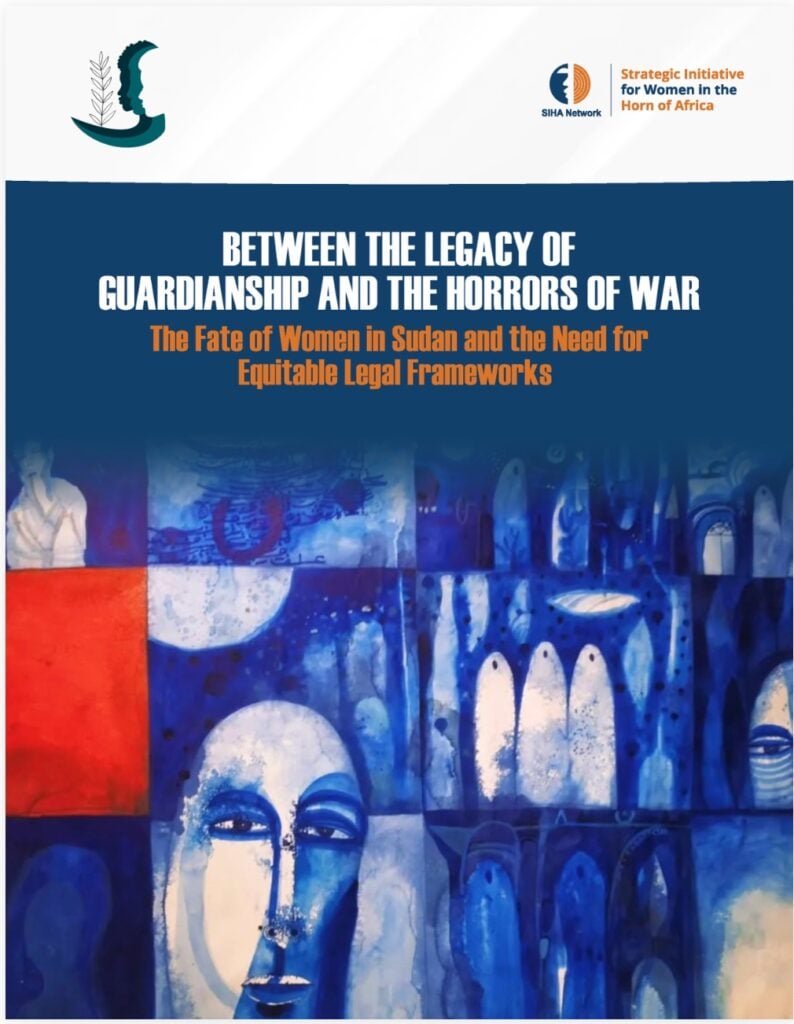
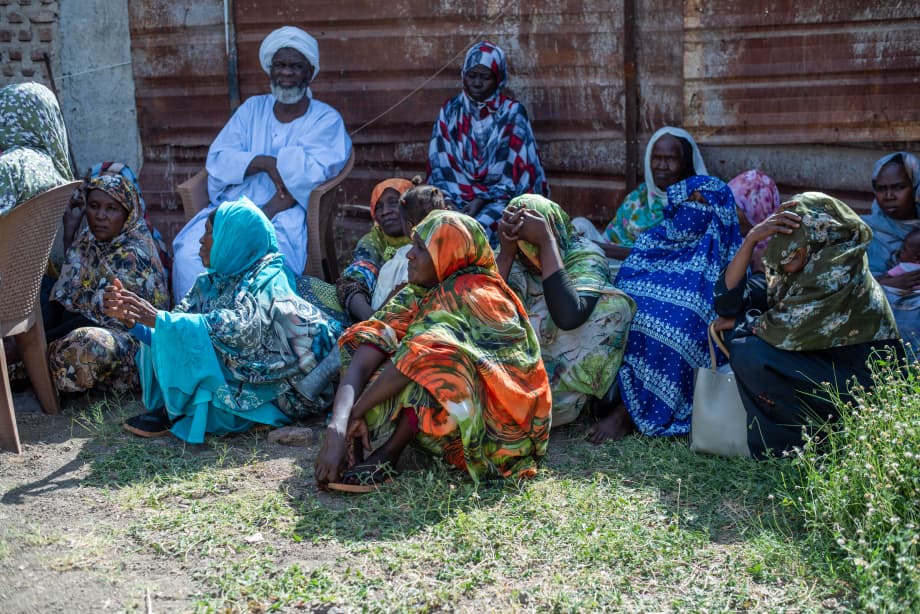
The Strategic Initiative for Women in the Horn of Africa (SIHA) Network remains deeply concerned by the continued detention, enforced disappearance, and abduction of women across Sudan. This has further entrenched gendered and ethnic profiling, which is swiftly emerging as a pattern of persecution targeting women across Sudan. These violations, particularly in Darfur, reflect a long-standing sequence of atrocities committed over the past three (3) decades.
Since April 2023, SIHA’s documentation has shown that detention sites across Darfur under RSF control are operating outside any recognized or formal legal framework. Detainees are being held without any judicial oversight, due process, or access to legal counsel. Detention conditions stand out as deplorable, opaque, and heavily militarized. Detainee release is also increasingly dependent on the discretion of RSF commanders or upon payment of ransom up to three (3) Million Sudanese Pounds (the equivalent of approximately USD 800), entrenching overarching extortion and trauma.
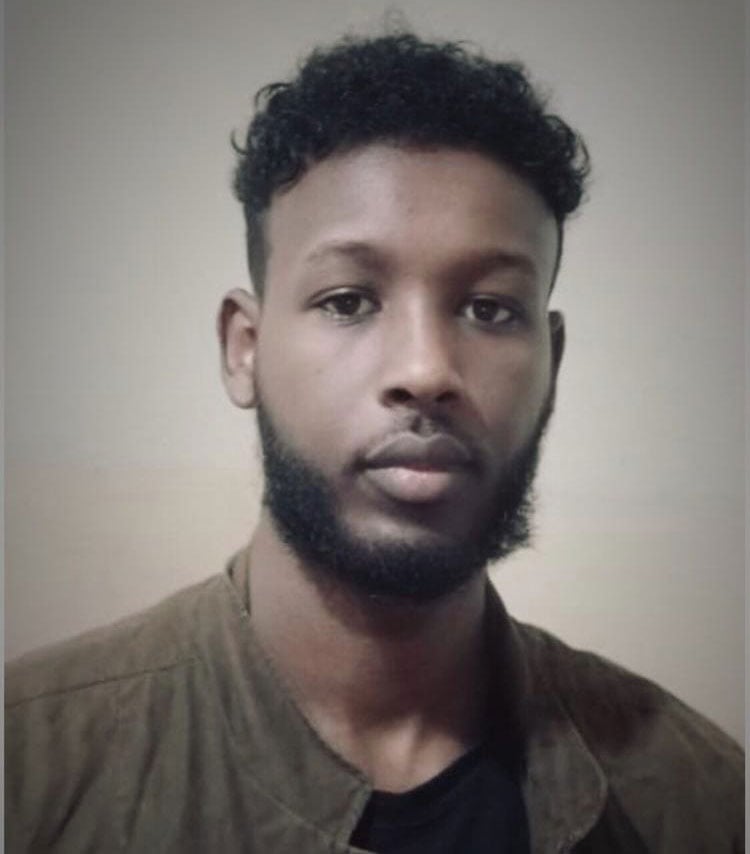
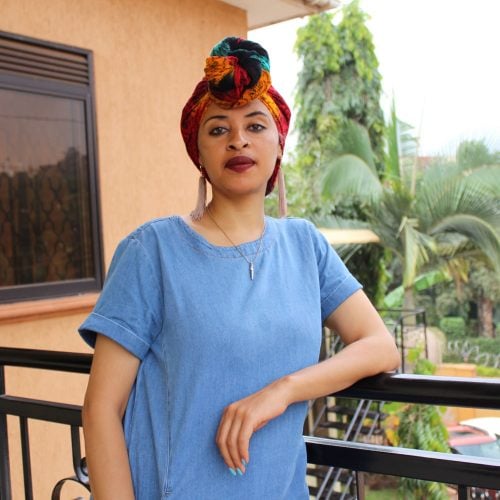
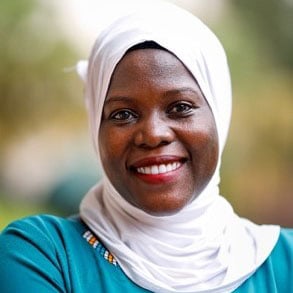
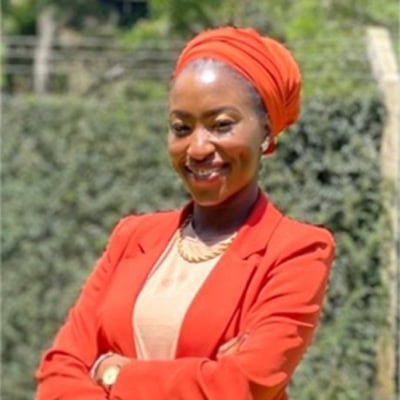
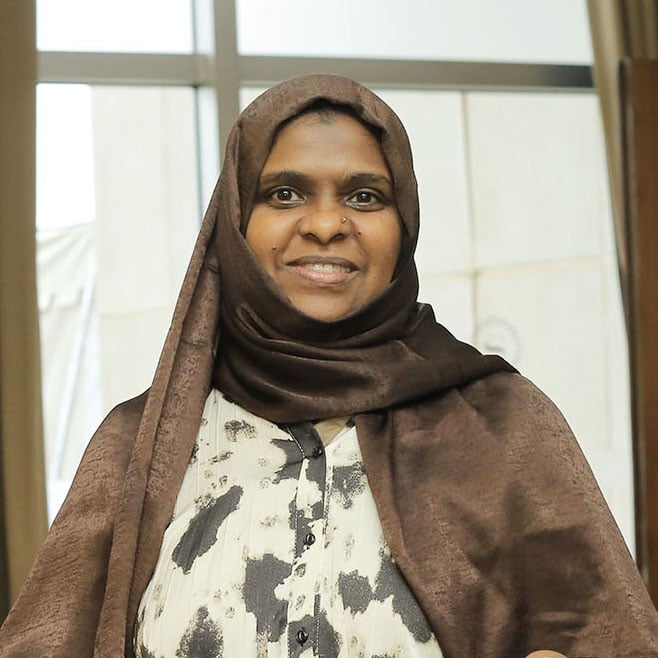
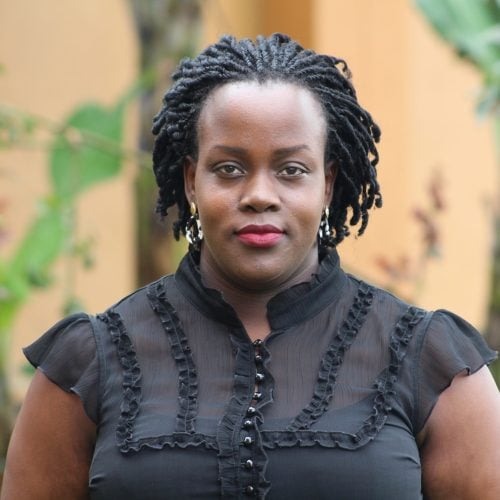
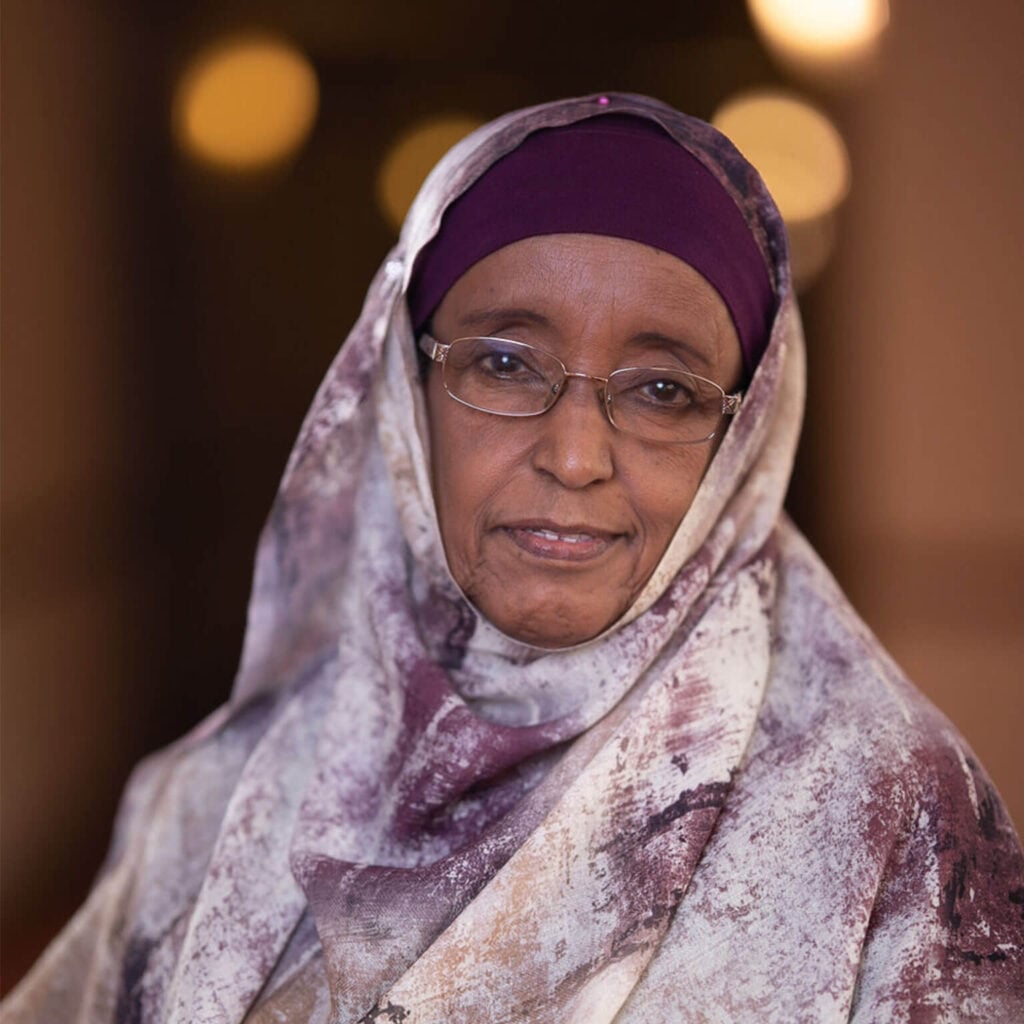
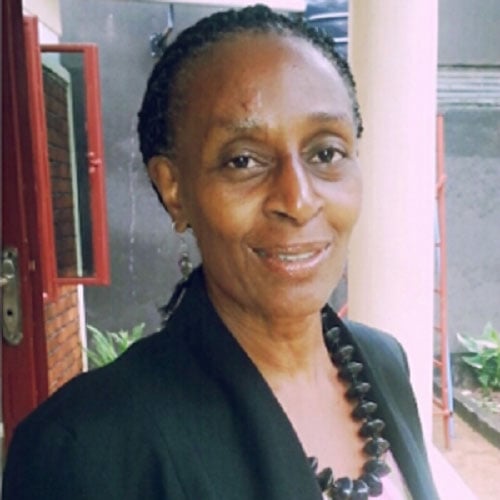
Ethnicity and suspicion of collaboration with SAF are the main bases for the systematic detention, enforced disappearance, and abduction of women across Darfur. In El Fasher alone, SIHA received reports of approximately 250 women currently detained on this premise in Shalla Prison in El Fasher, following the RSF’s takeover in October 2025. Similarly, on April 12, 2026, RSF soldiers in Kutum, North Darfur, also detained twelve (12) women following a drone attack in the area, on this basis. Although seven (7) of the twelve (12) women were later released, the whereabouts of the remaining five (5) are unknown. Their names are listed as follows: Their continued detention, with no additional news, has left their families in a state of distress. SIHA also received reports of RSF soldiers abducting young girls in Nyala and surrounding areas, on motorcycles. One family describes fleeing to Nertiti after these
Since February 22, 2026, SIHA has also received verified testimonies describing a coordinated wave of arrests targeting approximately 150 women and girls, among them civil society actors, journalists, and community leaders across Nyala, Kass, and Zalingei, respectively. Alleged detention sites in Nyala include tSouq Al-Shaabi (Eastern Police Division), the Korea Women’s Prison, and an informal detention house in Hay Al Cinema, where high-profile detainees are reportedly held in solitary confinement.
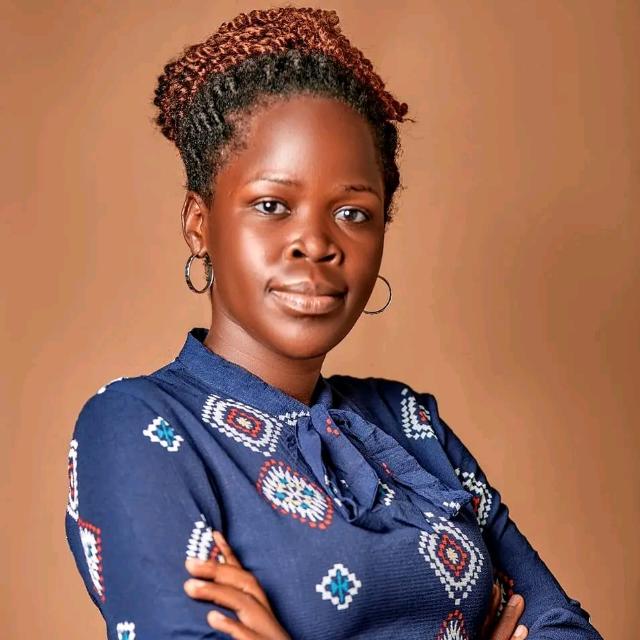
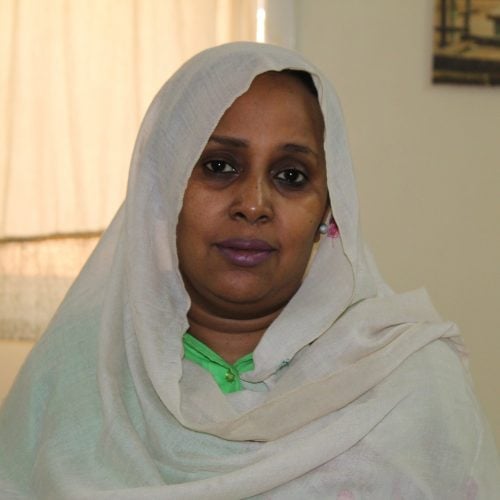
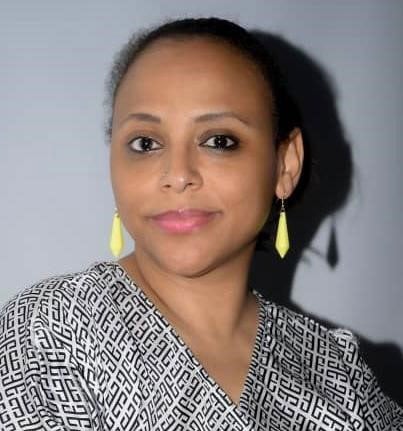
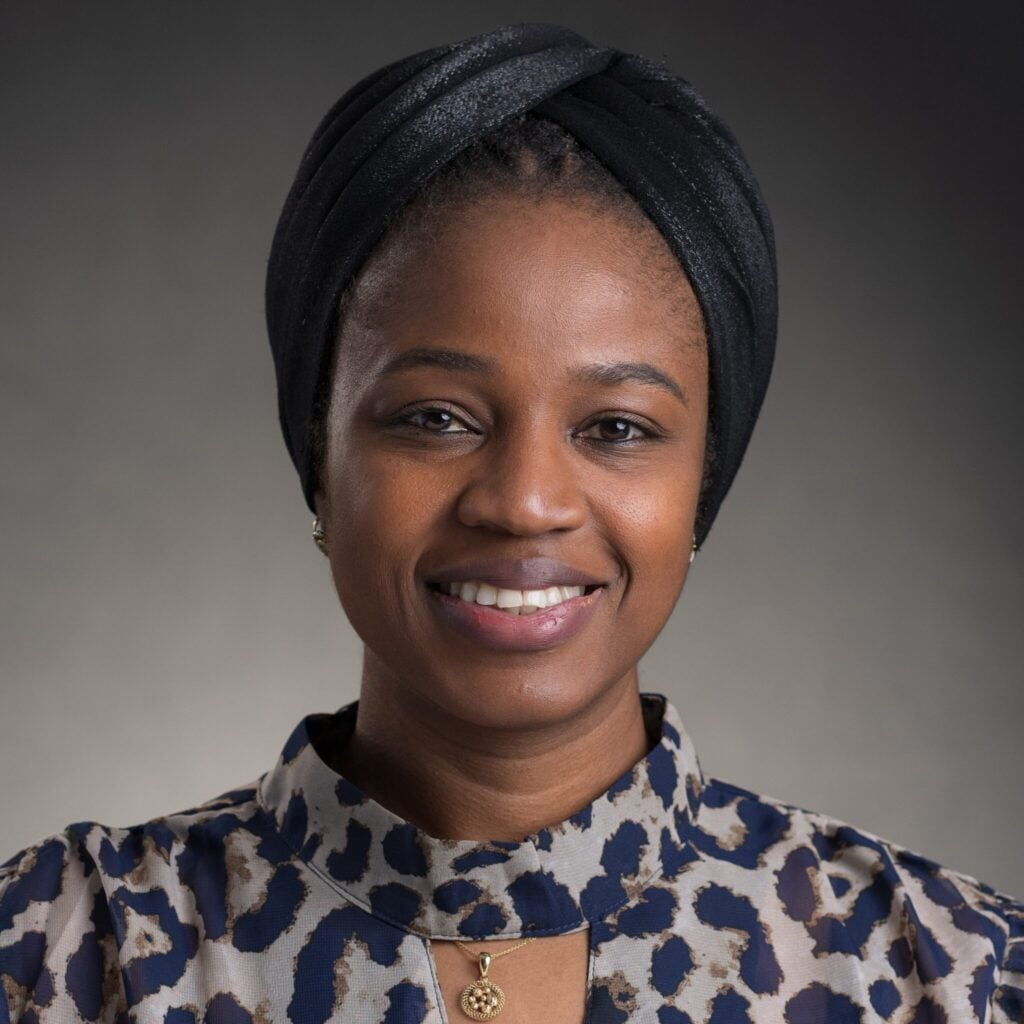
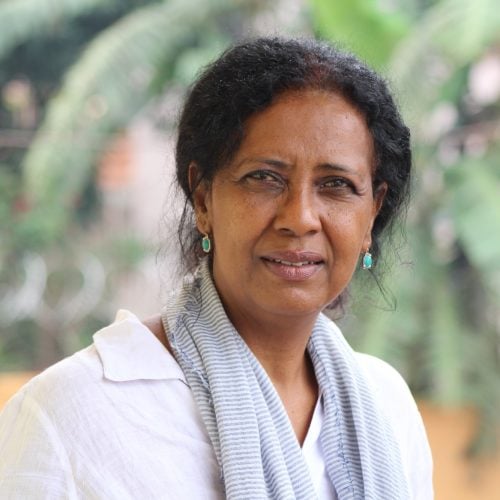
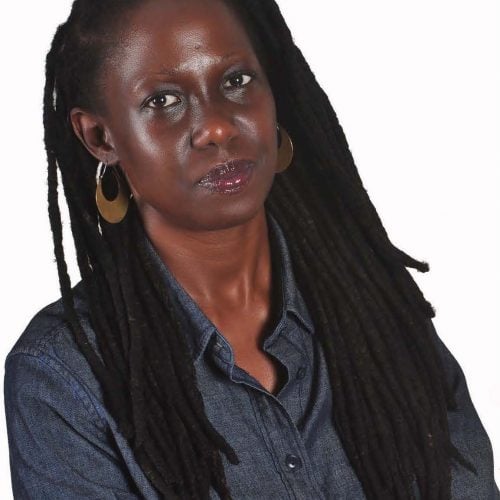
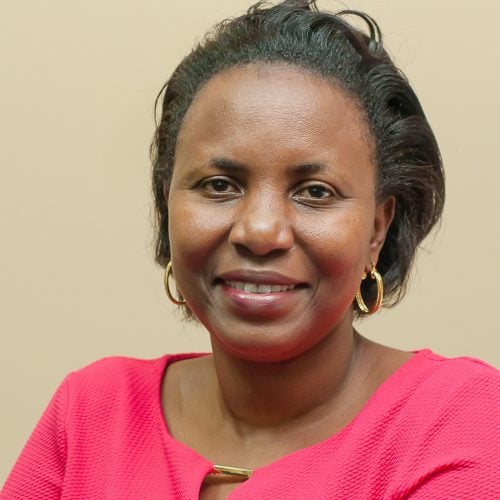
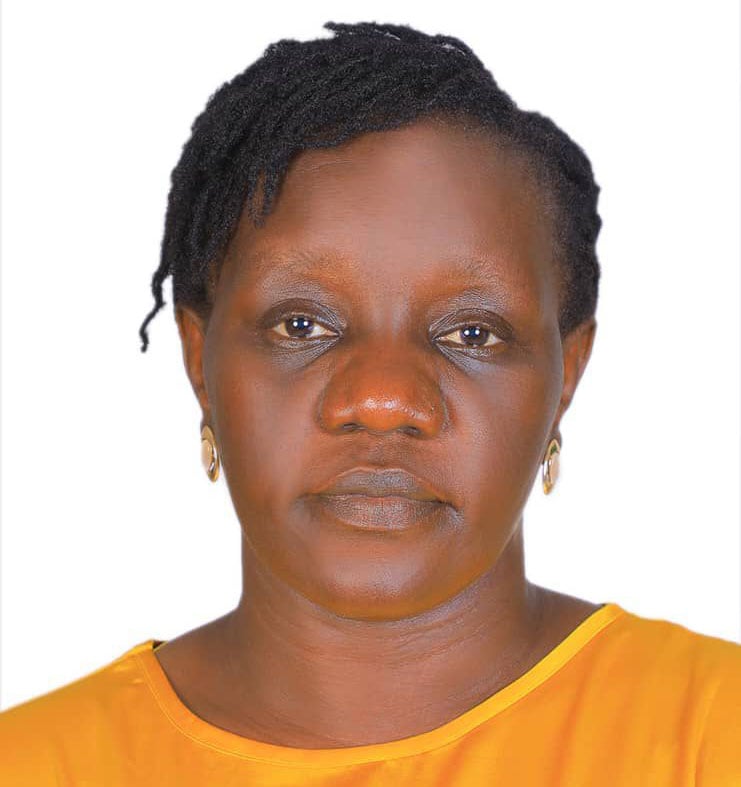
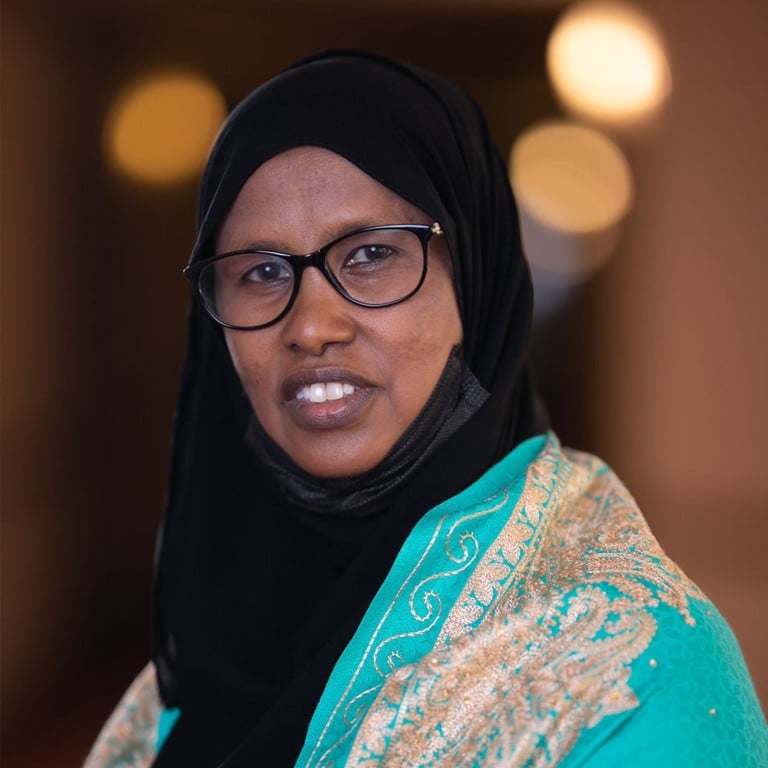
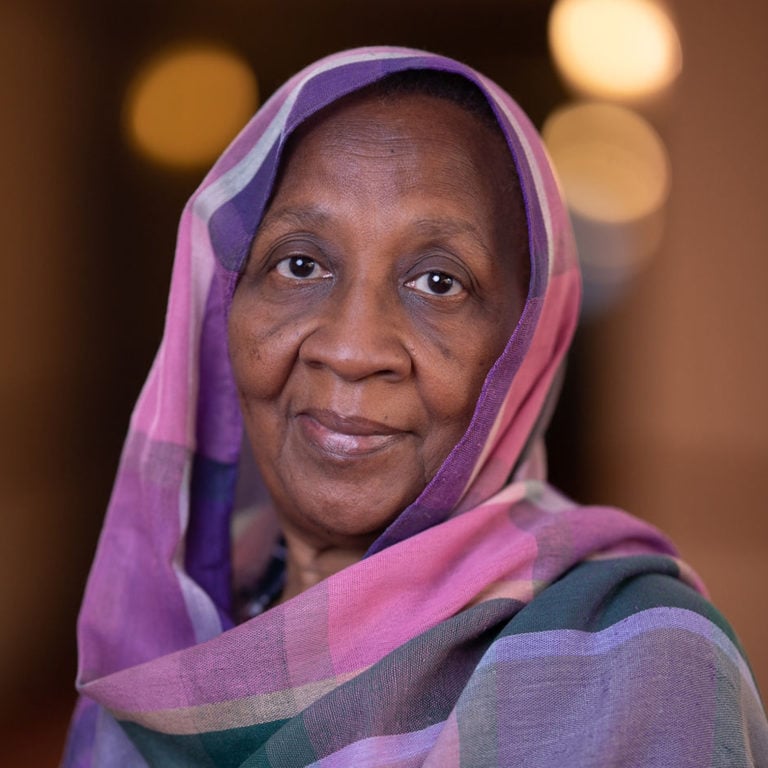
Mawahib Ibrahim, Dr. Manahil Mustafa Al-Sanousi, Zahraa Mohamed Al Hassan, Azdihar Abdelmoniem Hamid, Majda Hassan Ali, Sara Mustafa, and Ishraqa Abdelrahman, a collective of journalists, broadcasters, radio presenters, and civil society leaders, were all detained by RSF soldiers, following their participation in and support for a women’s rights workshop held in Nyala, in March 2026.
Beyond these numbers, it is also noteworthy to mention that many women and girls are currently being detained in the Korea Women’s Prison, Nyala. Confirmed news sources have reported the release of twenty-seven (27) women and girls following a review of their cases by a committee of prosecutors, law enforcement, judicial representatives, RSF intelligence, and their legal advisor, on the condition that they sign declarations binding them from making any public comments on their detention or the conditions in which they were held. Despite this, over 600 women and girls remain detained in this prison, including girls as young as fourteen (14) years old being held.
In Zalingei, credible reports further indicate that on May 11, 2026, the RSF arrested fifteen (15) women working as tea and vegetable vendors in the market. They are reportedly being held in the former civil registry office in Khamsa Dagag, while others are being held in the former security apparatus building. This detention has fundamentally impacted the lives of these women and their families, with these women often standing as sole breadwinners.
As such, majority of women subjected to detention, enforced disappearance, and abduction are being targeted based on their ethnicity, gender, and public engagement, with these violations serving as tools of punishment, intimidation, and widespread terror. Their treatment stands as a grave violation of international humanitarian and human rights law. These cases further illustrate the need for accountability for enforced disappearance, including by non-state armed groups exercising effective control over territory. Sudan’s obligations under the International Convention for the Protection of All Persons from Enforced Disappearance require the investigation, prevention, and punishment of such acts.
Such violations are not isolated incidents, but form part of a broader pattern of persecution and collective punishment directed at women and girls in Darfur.
As SIHA Network, we therefore demand:
- The immediate release of all civilian detainees in Darfur, especially women and children who have been forcibly disappeared or abducted, the disclosure of their whereabouts and conditions in which they are being held, by all actors and in line with international law;
- The swift investigation of the gendered and ethnic targeting of women and girls through the use of detention, enforced disappearance, and abduction in Darfur, by the Committee on Enforced Disappearance (CED), in coordination with relevant accountability mechanisms, including the United Nations and African Union Fact Finding Missions on Sudan, among others;
- The provision of resources by the international community, particularly from states, donors, humanitarian agencies, and philanthropic partners, is needed to support the investigation of women and children detained by all actors;
- Sustained international pressure on all responsible actors to secure the release of those unlawfully detained; and
- A global campaign to address the torture, detention, enforced disappearance, and abduction of civilians, especially women and children in Darfur, coordinated in conjunction with the communities specifically targeted.
Women in Darfur are not passive victims. They are frontline agents of change. Entrenched impunity and pervasive insecurity continue to drastically undermine their rights. SIHA Network remains committed to documenting violations, amplifying survivors’ voices, and advocating for justice, accountability and survivor-centred responses grounded in the dignity and lived experiences of women in Darfur and across Sudan.