Women’s Participation is a Blueprint for Sustainable Peace!

Op-ED by SIHA

For the past decade, Ethiopia has been experiencing multiple layers of conflicts, which have resulted in severe levels of sexual and gender-based violence (SGBV). The 2018 political transition was followed by incidents of mob violence, communal conflicts, an armed insurgency in Oromia, and a full-fledged civil war in the Tigray region. Although the Tigray war ended with a peace agreement signed by the Ethiopian government and the Tigray People’s Liberation Front (TPLF) in Pretoria, South Africa, an armed insurgency subsequently escalated in the Amhara region, posing significant human rights challenges. Furthermore, the Zanzibar negotiation between the Ethiopian government and the Oromo Liberation Army (OLA) failed to yield an outcome. It has been widely reported that these conflicts have subjected women to SGBV, displacement, and various other human rights violations.

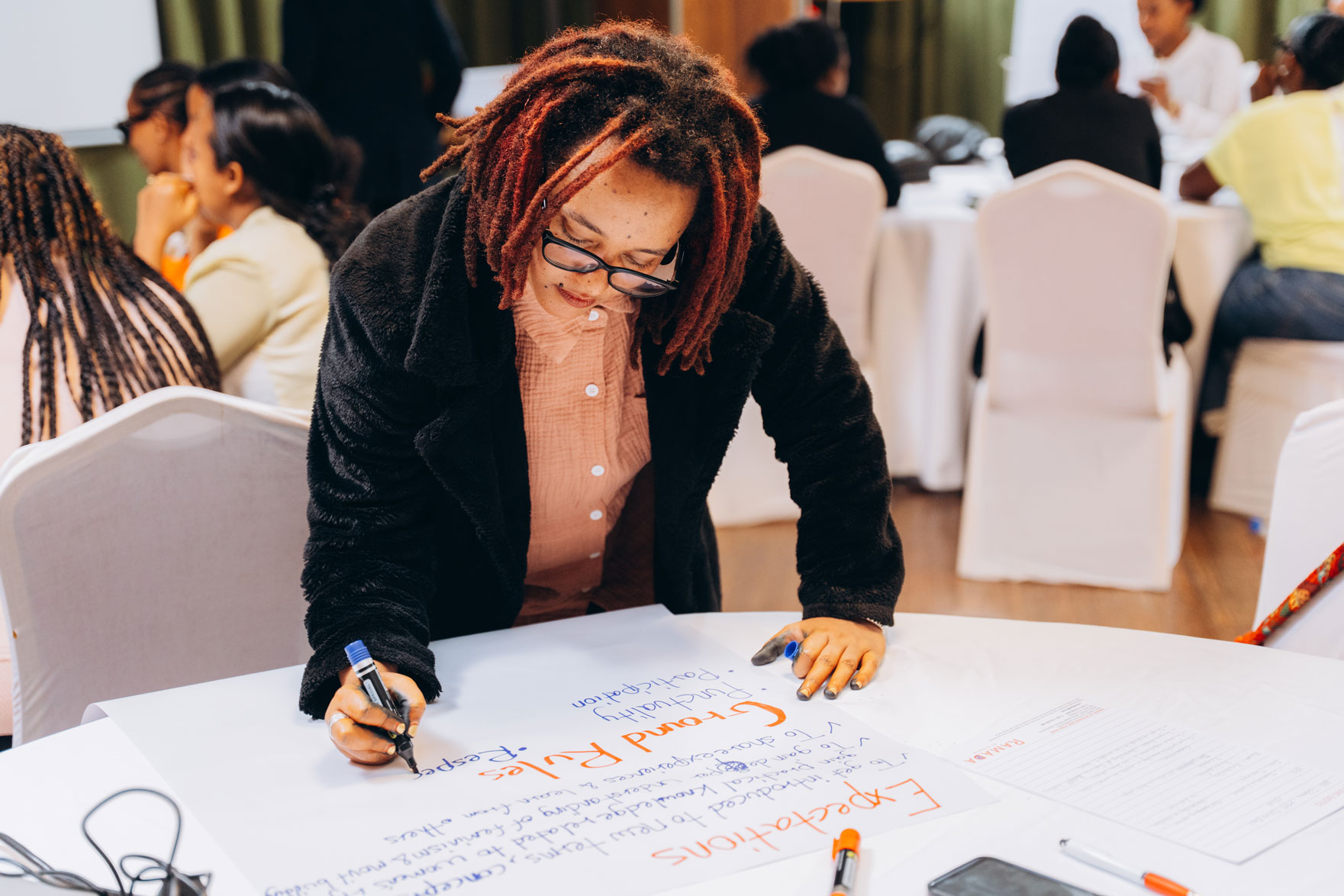
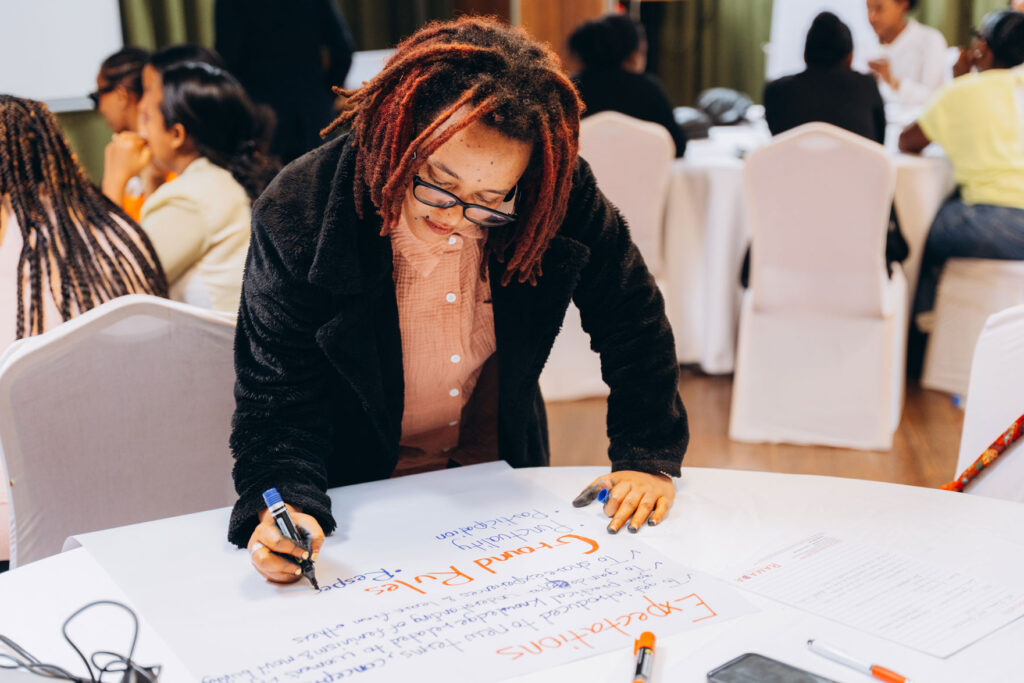
As observed worldwide, peace efforts have often failed to include a constant target of violence in these conflicts:  young women. On the other hand, their participation in conflict prevention, resolution, and peacebuilding processes could serve as a blueprint for durable peace and stability. In light of this, the Strategic Initiative for Women in the Horn of Africa (SIHA) gathered more than a dozen young women from across Ethiopia in September 2025, representing various grassroots initiatives. The collective has commemorated the UN International Peace Day with a heated discussion on our failures to ensure the inclusion and participation of the most vulnerable sections of our society — young women — in peace processes.

The voices emerging from the workshop affirm that the exclusion of women, particularly younger generations, from conflict resolution and peacebuilding is a direct threat to stability and sustainability. Even though most of the conflicts in Ethiopia victimize young women, the efforts to prevent conflicts, resolve them, and post-conflict peacebuilding processes disregard the participation of young women. To the contrary, backed by empirical research, participants in the SIHA workshop demonstrated that the durability and sustainability of peace processes without women’s participation are unguaranteed.

The Imperative for Inclusion

Women’s participation in the local and national peace agenda is needed not only because they have the right to but also because it is vital to the durability and success of the peace process, as empirical research overwhelmingly supports. Studies show that when women participate in peace processes, the resulting agreement is 20% more likely to last at least 2 years and 35% more likely to last 15 years. Women’s engagement in peace processes also shifts the dynamics of peace talks, broadening the issues discussed to include human rights, justice, and the root causes of conflict, which are imperative for building community buy-in and a robust, lasting peace that provides for accountability. Furthermore, higher levels of gender equality are statistically associated with a lower propensity for conflict, both within and between states.

Furthermore, the UN Security Council’s Resolutions 2250 (2015), 2419 (2018), and 2535 (2020) together constitute the Youth, Peace, and Security (YPS) agenda. These resolutions explain why youth participation is necessary, including changing the image of youth from perpetrators or victims to change-makers, and ensuring the inclusion of often-disregarded sections of society. Youth participation in peace processes has also yielded results. For instance, youth in Somalia acted as peacebuilding intermediaries, bridging clan lines to foster cooperation and reduce conflict. Projects, like the conflict monitoring network in Sudan, demonstrate the youth’s role in preventing, mitigating, and managing conflicts, as well as in post-conflict peacebuilding.

The Challenge of Tokenism

The collective experience of young Ethiopian women in peace and conflict spaces reveals critical systemic barriers that prevent their full and effective participation, directly undermining the goals of sustainable peace. These observations are strongly corroborated by established international research on the Women, Peace, and Security (WPS) agenda.

A primary challenge identified by young women is that formal inclusion remains largely “quota-oriented and ceremonial.” This finding confirms that despite global commitments, women’s official participation is often “more symbolic than substantive,” severely limiting their capacity to influence core negotiation outcomes. According to research, in 2022, women represented only 16 percent of negotiators in active peace processes. Women constituted, on average, 13 percent of negotiators and 6 percent of signatories between 1992 and 2019. In Ethiopia, too, no women have been represented in the aforementioned Pretoria agreement. Similarly, the failed peace negotiations between the Ethiopian government and the OLA in Zanzibar did not represent women on either side. Could this be the reason the former agreement is waning, while the latter was unsuccessful? The answer may not be a straight yes or no, but it is undoubtedly a contributing factor.

Even in circumstances where women are represented in local peace conferences and platforms, young women noted a failure of inclusive practice, observing that “young women are often missing” and that “there is a lack of intersectionality.” While the foundational frameworks of the WPS (UNSCR 1325) and YPS agendas exist, youth and marginalized groups, including women with disabilities and internally displaced women, are systematically constrained. This exclusion is often rooted in “long-standing cultural norms of exclusion” and exacerbated by a lack of dedicated funding and resources to enable robust involvement by the most vulnerable and marginalized sectors of society.

A damaging perception barrier also hinders young women’s participation in peace processes. Young women noted they are often viewed as “troublemakers rather than peacemakers” by those holding power. This deeply rooted issue stems from an “erroneous view of youth as a threat” to political stability, rather than recognizing them as agents of peace and change. This negative bias from the state and other peace actors limits trust, denies young women access to decision-making platforms, and ultimately diminishes their agency.

Finally, the critique extends to implementation, where participants observe that “the UN’s four pillars in peace… are not considered.” Despite the comprehensive framework provided by UNSCR 1325 (Participation, Protection, Prevention, and Relief/Recovery), peace agreements continue to fall short. Research shows that globally, only about one-third of peace agreements include specific provisions addressing the unique needs and rights of women and girls, confirming a persistent gap between high-level policy commitments and gender-responsive outcomes on the ground.

The Road to Peace and Stability

The solutions proposed by the young women constitute a transformative approach, focusing on legal, institutional, and grassroots shifts. Their primary recommendation is for a comprehensive legal and policy mandate to ensure women’s participation in peace processes. The women’s rights defenders unanimously agree that it is imperative to have a clear, assertive legal framework that is consistent with UN recommendations to strengthen the gender-responsive language and legal validity of peace provisions.

The framework for women’s participation should emphasize leveraging creative means, such as digital spaces, the arts, and cultural platforms, as well as traditional institutions (such as Sinqee among Oromo women) and other grassroots initiatives to build peace bottom-up.  Academic findings also reaffirm that women’s informal peacebuilding activities at the local level have a transformative impact when formal talks stall.

Women’s inclusion must also go hand in hand with their empowerment; however, the challenge persists that capacity-building efforts are treated as a one-time training issue. The cohort of young women strongly asserted that capacity-building activities should be continuous and incremental. It is a strategic recognition that women must be prepared and sustained to wield influence, moving beyond simple numerical and ceremonial representation to meaningful participation.

To narrow the generational gap, they recommend creating and promoting dedicated platforms for intergenerational dialogue, which directly address documented barriers to trust and effective collaboration across age divides.

By addressing these recommendations, policymakers and stakeholders can leverage the unique insights of young women, ensuring that peace processes are comprehensive, address root causes, and build the societal buy-in necessary for genuine, long-term stability.

ለዘላቂ ሰላም የሴቶች ተሳትፎ ቅድመ ሁኔታ ነው!

የሲሃ አስተያየት

ኢትዮጵያ ላለፉት ዐሥርት ዓመታት በርካታ ግጭቶችን እያስተናገደች ነው፤ይህም ከፍተኛ የሆነ ጾታዊ እና ጾታን መሠረት ያደረጉ ጥቃቶችን አስከትሏል። በ2010 የተከሰተው የፖለቲካ ለውጥ የደቦ ፍርድንና የእርስ በርስ ግጭቶችን ጨምሮ በኦሮሚያ የታጠቁ አማፂያን እንቅስቃሴን፣ እንዲሁም በትግራይ የተካሔደውን የእርስ በርስ ጦርነት አስከትሏል። የትግራይ ጦርነት የኢትዮጵያ መንግሥት እና ህዝባዊ ወያነ ሓርነት ትግራይ (ህወሓት) በተፈራረሙት የፕሪቶሪያው የሰላም ስምምነት ቢጠናቀቅም፣ በአማራ ክልል የታጠቁ አማፂያን የትጥቅ እንቅስቃሴ ከዚያ በኋላ እንዲጀምሩና የሰብዓዊ መብቶች ተግዳሮቱ አሁንም እንዲቀጥሉ ሰበብ ሆኗል። በተጨማሪም ዛንዚባር ውስጥ በኢትዮጵያ መንግሥት እና በኦሮሞ ነጻነት ሰራዊት መካከል የተደረገው ድርድር ውጤት ማምጣት አልቻለም። እነዚህ ግጭቶች በተለይ ሴቶችን ለጾታ እና ጾታን መሠረት ላደረጉ ጥቃቶች፣ መፈናቀሎች እና ሌሎችም የሰብዓዊ መብቶች ጥሰቶች መዳረጋቸው በሰፊው ተዘግቧል።

በዓለም ዙሪያ እንደተስተዋለው፣ ወጣት ሴቶች በግጭቶች ውስጥ ሁሉ ቋሚ የጥቃት ዒላማ ናቸው። ይሁን እንጂ፣ በግጭት መከላከል፣ አፈታት እና ሰላም ግንባታ ሒደት ውስጥ ያላቸው ተሳትፎ እምብዛም ነው። የሴቶች ተሳትፎ፣ በጥቅሉ ዘላቂ ሰላምና መረጋጋትን ለመፍጠር እንደ ቅድመ ሁኔታ ሊቆጠር ይችላል። በሰላም ሒደቶች ውስጥ የወጣት ሴቶች ተሳትፎን በተመለከተ፣ የአፍሪካ ቀንድ ሴቶች ስትራቴጅክ ኢኒሼቲቭ (ሲሃ) በመስከረም ወር 2018፣ ከመላው ኢትዮጵያ የተውጣጡ ከደርዘን በላይ የሚሆኑ ወጣት ሴቶችን ያሳተፈ የውይይት መድረክ አዘጋጅቶ ነበር። ውይይቱ የተዘጋጀው የተባበሩት መንግሥታት ድርጅት ዓለም ዐቀፍ የሰላም ቀንን በማስመልከት ሲሆን፣ የወጣት ሴቶችን ተሳትፎ በሚገድቡ ተግዳሮቶች ላይ  የጦፈ ውይይት ተደርጎበታል።

ከውይይቱ የተገኙት ድምጾች እንደሚያመለክቱት፣ ሴቶች በተለይም ወጣት ሴቶች ከግጭት አፈታት እና ሰላም ግንባታ መገለላቸው፣ ዘላቂ ሰላም እና መረጋጋትን ለማምጣት ቀጥተኛ ተግዳሮት መሆኑን ተሳታፊዎቹ ተናግረዋል። የተሳታፊዎቹ አስተያየትም፣ ከብዙ የምርምር ሥራዎች ግኝት ጋር የሚጣጣም ነው። ምንም እንኳን በኢትዮጵያ አብዛኛዎቹ ግጭቶች ወጣት ሴቶችን የጥቃት ኢላማ የሚያደርጉ ቢሆንም ግጭቶችን ለመከላከል፣ ለመፍታት እና ከግጭት በኋላ የሚከሰቱ የሰላም ግንባታ ሒደቶች ውስጥ ወጣት ሴቶችን ለማሳተፍ ቸልተኝነት ይስተዋላል።

ወጣት ሴቶችን የማካተት አስፈላጊነት

ሴቶችን በአካባቢያዊ እና በአገር ዐቀፍ የሰላም አጀንዳዎች ላይ እንዲሳተፉ ማድረግ የሚያስፈልገው መብት ስላላቸው ብቻ ሳይሆን ለሰላሙ ዘላቂነት እና ስኬት ወሳኝ በመሆኑም ጭምር ነው። ይህ ድምዳሜ በተጨባጭ ጥናትና ምርምሮች የተደገፈ ነው። በርካታ ጥናቶች እንደሚያሳዩት ሴቶች በሰላም ድርድር ውስጥ ሲሳተፉ የሚገኘው የሰላም ስምምነት ቢያንስ ለሁለት ዓመታት የመዝለቅ 20 በመቶ የበለጠ ዕድል እና ለ15 ዓመታት የመቆየት 35% ሴቶችን ከማያሳትፈው ስምምነት የበለጠ ዕድል አለው። የሴቶች በሰላም ሂደት ውስጥ መሳተፍ የሰላም ድርድሮችን ተለዋዋጭነት በማገናዘብ፣ የድርድሮቹን ነጥቦች አድማስ በማስፋት ሰብአዊ መብቶችን፣ ፍትህን እና የግጭት መንስኤዎችን ለመቅረፍ የሚያስችሉ አንቀፆችን በድርድሮቹ ሰነዶች ውስጥ በማካተት፣ የስምምነቱን ማኅበረሰባዊ ተቀባይነት በማሳደግና ተጠያቂነትን በማረጋገጥ ዘላቂ ሰላም ለመፍጠር አስፈላጊ ሁነው በጥናቶች ተለይተዋል። በተጨማሪም፣ ከፍ ያለ የፆታ እኩልነት ደረጃዎች ያሉባቸው ኅብረተሰቦች በጥቅሉ ለግጭት የመጋለጥ ዝንባሌያቸው ዝቅተኛ ነው

 የተባበሩት መንግሥታት የፀጥታው ምክር ቤት ውሳኔዎች 2250 (2015)፣ 2419 (2018) እና 2535 (2020) የወጣቶች፣ የሰላም እና ደህንነት አጀንዳዎች የሚባሉትን የውሳኔ ሐሳቦች አስተዋውቀዋል። እነዚህ የውሳኔ ሐሳቦች የወጣቶች ተሳትፎ ለምን እንደሚያስፈልግ ያብራራሉ፤ ይህም የወጣቶችን ገጽታ ከአጥፊነት ወይም ተጠቂነት ወደ ለውጥ አምጪነት መለወጥን ጨምሮ ብዙ ጊዜ በሰላም ሒደቶች ውስጥ የማይካተቱ የኅብረተሰብ ክፍሎችን ማካተትን አስፈላጊነትን ይጠቅሳል። በሰላም ግንባታ ሒደቶች ውስጥ የወጣቶች ተሳትፎ ውጤት እንደሚያስመዘግብ በተግባርም ታይቷል። ለምሳሌ፣ የሶማሊያ ወጣቶች እንደ ሰላም ግንባታ አማላጅ በመሆን፣ ትብብርን ለመፍጠር እና ግጭትን ለመቀነስ ጎሳዎችን እርስበርስ በማገናኘት አገልግለዋል። የሱዳን ወጣቶች የግጭት ሁኔታ መከታተያ ኔትወርክ በማቋቋም፣ ግጭቶችን በመከላከል፣ በመፍታት እንዲሁም ከግጭት በኋላ የሰላም ግንባታ ላይ፣ ድጋፍ ከተደረገላቸው የወጣቶች ሚና ጉልህ እንደሆነ ማሳየት ችለዋል።

ከነቢብ ወደ ገቢር

ወጣት ኢትዮጵያውያን ሴቶች ግጭትን በተመለከተ ያለፉበት የጋራ ተሞክሮ፣ ሙሉ እና ውጤታማ ተሳትፏቸውን የሚከለክሉ እና የዘላቂ ሰላም ግቦችን በቀጥታ የሚያናጉ ወሳኝ የስርአት መሰናክሎች እንዳሉባቸው ያሳያል። እነዚህ ተግዳሮቶች በሌላውም ዓለም የተስተዋሉ እንደሆኑ፣ በሴቶች፣ ሰላም እና ደኅንነት አጀንዳ ላይ በተቋቋሙ ዓለም ዐቀፍ ጥናቶች ላይ ተመላክቷል።

በወጣት ሴቶች ተሳትፎ ጉዳይ ተቀዳሚው ተግዳሮት፣ ተሳትፎ አለመኖሩ ሲሆን፣ አልፎ አልፎ ሴቶች ለተሳትፎ በሚታጩበት ጊዜም ቢሆን “ኮታ-ተኮር እና የይስሙላ (ትዕምርታዊ)” ሆኖ መቆየቱ ሌላኛው ነው። የይስሙላ ተሳትፎም ቢሆን፣ ከወጣት ሴቶች ይልቅ፣ በእድሜ የገፉ ሴቶችን የሚወክልበት ዕድል ሰፊ ነው። ምንም እንኳን በሴቶች ተሳትፎ ማነስ ጉዳይ ዓለም ዐቀፋዊ መግባባት እና ስምምነት ቢኖርም፣ አፈፃፀሙ ላይ ግን ቁርጠኝነት የለም።  

ሴቶች የሚወከሉበት የሰላም ስምምነት፣ ከማይወከሉበት ይልቅ ውጤታማነቱ በጥናት ቢረጋገጥም፣ አሁንም ድረስ ውክልናቸው እጅግ ዝቅተኛ ነው። እኤአ በ2022 ይፋ በሆነ ጥናት ላይ እንደተጠቀሰው፣ ሴቶች ትርጉም ያለው ውክልና የነበራቸው እና ንቁ ተሳትፎ ያደረጉባቸው የሰላም ሂደቶች ከጠቅላላው 16 በመቶውን ብቻ ይወክላል። እኤአ ከ1992 እስከ 2019 ባለው ጊዜ ውስጥ ሴቶች በአማካይ 13 በመቶ የሰላም ድርድሮች ውስጥ ተደራዳሪዎች ተደርገው ሲሰየሙ፣ 6 በመቶዎቹ ውስጥ ብቻ የሰላም ድርድሩ ፈራሚዎች ሆነዋል። በኢትዮጵያም ከላይ የተጠቀሰው የፕሪቶሪያ ስምምነት ላይ አንድም ሴት በተደራዳሪነትም ይሁን በስምምነቱ ፈራሚ ሆና አልተወከለችም። በተመሳሳይ፣ ዛንዚባር ላይ በኢትዮጵያ መንግሥት እና በኦሮሞ ነፃነት ሠራዊት መካከል የተደረገውና የከሸፈው የሰላም ድርድር በሁለቱም ወገን ሴቶች አልተወከሉበትም። በዚህ መንገድ የተገኘው የሰላም ስምምነትም፣ የመጀምሪያው ዘላቂነቱ አጠራጣሪ ሲሆን፣ ሁለተኛው ግን ጭራሹኑ አልተሳካም፤ ለዚህ ምክንያቱ የሴቶች ተሳትፎ አለመኖር ይሆን የሚል ጥያቂ ቢነሳ፣ መልሱ ቀጥተኛ አዎ ወይም አይደለም ላይሆን ይችላል፤ ነገር ግን የሴቶች ተሳትፎ አለመኖሩ አንድ ምክንያት ሊሆን እንደሚችል አያጠራጥርም።

ሴቶች በአካባቢያዊ ጉዳዮች በሚደረጉ የሰላም ኮንፈረንሶች እና መድረኮች ላይ የሚወከሉበት ጊዜ ሲኖር እንኳን “ወጣት ሴቶች ብዙ ጊዜ አይወከሉም” ሲሉ ወጣቶቹ ሴቶች ቅሬታቸውን አንስተዋል። የተባበሩት መንግሥታት የሴቶች ሰላምና መረጋጋት (UNSCR 1325) እንዲሁም የወጣቶች የሰላምና ደህንነት አጀንዳዎች መሰረታዊ ማዕቀፎች ቢኖሩም፣ ወጣቶች እና አካል ጉዳተኛ ሴቶችን እና ከቅዬአቸው የተፈናቀሉ ሴቶችን ጨምሮ፣ የሌሎችም ግፉዓን የማኅበረሰብ ክፍሎች ተሳትፎ ስልታዊ በሆነ መልኩ የተገደቡ ናቸው። ይህ ዓይነቱ ማግለል ብዙውን ጊዜ “ለረጅም ጊዜ ከዘለቀው አግላይ ባሕላዊ ደንቦች” የሚቀዳ ነው። ግፉዓን፣ የጥቃት ተጋላጭ እና የተገለሉ የኅብረተሰብ ክፍሎች ጠንካራ ተሳትፎን ለማረጋገጥ የሃብትና ድጋፍ እጥረት መኖሩ ደግሞ ችግሩን አባብሶታል።

ጎጂ አመለካከቶች ወጣት ሴቶችን በሰላማዊ ሂደት ውስጥ እንዳይሳተፉ ሌላው ተግዳሮት ሆኖባቸዋል። ወጣት ሴቶች በሥልጣን ላይ ባሉ ሰዎች ብዙ ጊዜ እንደ “ችግር ፈጣሪዎች” ተደርገው እንደሚታዩ ተናግረዋል። ይህ ስር የሰደደው ጎጂ አመለካከት፣ ወጣቱን የሰላምና የለውጥ ፈላጊ አድርጎ ከመቀበል ይልቅ ለፖለቲካዊ አለመረጋጋት እንደ ስጋት አድርጎ ከመመልከት አባዜ የመነጨ ነው። ይህ ከመንግሥት እና ከሌሎች የሰላም ተዋናዮች የሚመነጭ አሉታዊ አመለካከት፣ ወጣት ሴቶችን የውሳኔ ሰጪ መድረኮች ላይ እንዳይገኙ እንቅፋት ከመሆኑም ባሻገር ውክልናቸውን ይቀንሳል።

የወጣት ሴቶች ተሳትፎ አለመኖር ጉዳይ “የተባበሩት መንግሥታት ድርጅት የሰላም ዋልታዎችንም” ጭምር ከግምት ውስጥ እንዳይገቡ እንዳደረጋቸው ወጣቶቹ ሴቶች በውይይቱ ወቅት ተናግረዋል።  የተባበሩት መንግሥታት የሴቶች ሰላምና መረጋጋት አጀንዳ 1325  የሰላም ዋልታዎች የሚላቸው ተሳትፎ፣ ጥበቃ፣ መከላከል፣ እና እፎይታ/ማገገሚያ፣ አጠቃላይ ማዕቀፍ ቢኖረውም ቅሉ፣ የሰላም ስምምነቶች ግን እነዚህን ከግምት ውስጥ ያስገቡ አይደሉም። ጥናቶች እንደሚያሳዩት በዓለም ዐቀፍ ደረጃ፣ ከሰላም ስምምነቶች ውስጥ አንድ ሦስተኛው ብቻ የሴቶች እና ልጃገረዶች ልዩ ፍላጎቶችን እና መብቶችን የሚመለከቱ ልዩ ድንጋጌዎችን የሚያካትቱ ናቸው። ሌሎቹ በከፍተኛ ደረጃ የፖሊሲ ቁርጠኝነት እና ሥርዓተ-ፆታ አገናዛቢነት የሚጎድላቸው ናቸው።

የሰላም እና የመረጋጋት መንገድ

በወጣቶቹ ሴቶች ያቀረቧቸው የመፍትሔ ሃሳቦች በሕጋዊ፣ ተቋማዊ እና መሠረታዊ ለውጥ ላይ ያተኮረ ሥራን አስፈላጊነትን ያመለክታል። ዋና ዋና ምክረ ሐሳቦቻቸው የሴቶችን በሰላማዊ ሂደት ውስጥ ተሳትፎ የማድረግና የመወከል መብት እና ዕድል ለማረጋገጥ ሁሉን ዐቀፍ የሕግ እና የፖሊሲ ውሳኔዎች እንዲኖሩ ያስፈልጋል። የሴቶች መብቶች ተሟጋቾቹ፣ ዘላቂ ሰላምና መረጋጋት እንዲመጣ እና ሴቶች፣ በተለይም ወጣት ሴቶች በሰላም ሒደት ውስጥ ተሳትፎ እንዲያደርጉ፣ በተባበሩት መንግሥታት ድርጅት ጥቆማዎች መሠረት፣ ሥርዓተ ፆታ አገናዛቢ፣ ግልጽ እና ቁርጠኛ የሕግ እና ፖሊሲ ማዕቀፎች መኖር አለባቸው። 

የሴቶች ተሳትፎ ማዕቀፍ እንደ ዲጂታል ምኅዳሮችን፣ የኪነ-ጥበባት እና የባሕል መድረኮችን እንዲሁም ባሕላዊ ተቋማትን (ለምሳሌ በኦሮሞ ሴቶች መካከል እንደ ሲቄ ያሉ ተቋማትን) እና ሌሎች ሰላምን ከታች ከብዙኃን ወደ ላይ ለመገንባት የሚረዱ ዘዴዎችን መጠቀም ላይ ትኩረት ማድረግ አለበት ብለዋል። ጥናታዊ ግኝቶችም መደበኛ ድርድሮች ሲቆሙ እና ለውጥ ማምጣት ሲሳናቸው፣ የሴቶች መደበኛ ያልሆነ የሰላም ግንባታ እንቅስቃሴዎች  ሰላም ለማምጣት እንደቻሉ በማሳያዎች ያረጋግጣሉ።

የሴቶች ተሳትፎ ለይስሙላ እና ለትዕምርት ሳይሆን፣ ትርጉም ያለው እና ከሙሉ የውክልና ሥልጣን ጋር መሆን አለበት። ሆኖም ሴቶች በተለያዩ ተግዳሮቶች ሳቢያ የአቅም ውሱንነቶች ሊኖሩባቸው ይችላሉ፤ ስለሆነም የአቅም ግንባታ ሥራዎች እንደ አንድ ጊዜ የሥልጠና ጉዳይ ሳይሆን በዘላቂነት እና በተከታታይነት ሊመቻቹላቸው ይገባል። የሴቶች ተሳትፎና ውክልና ከቀላል የኮታ ብቻ ውክልና ወደ ትርጉም ያለው ተሳትፎ ሊሸጋገር የሚችለው፣ ሴቶች ተዘጋጅተው እና በሙሉ አቅም እንዲሳተፉ ማድረግ ሲቻል እንደሆነ ወጣቶቹ ተወያዮች አበክረው ተናግረዋል።

የትውልድ ክፍተት ሌላው ችግር ነው። ይህንን ለማጥበብ፣ የበይነ ትውልድ ውይይቶችን ለማድረግ የተነደፉ መድረኮችን መፍጠር እና ማመቻቸት ያስፈልጋል። ይህም በወጣት እና ጉምቱ ሴቶች መካክል ያለውን የመተማመን እና ውጤታማ ትብብርን ያሳልጣል።

እነዚህን የለውጥ ምክረ ሐሳቦች በማስተናገድ፣ ፖሊሲ አውጪዎች እና ባለድርሻ አካላት የወጣት ሴቶችን ልዩ አቅም መጠቀም፣ የሰላም ሒደቶች ሁሉን አሳታፊ መሆናቸውን ማረጋገጥ፣ መሠረታዊ ተግዳርቶቶችን መቅረፍ እና ለእውነተኛ እና ዘላቂ፣ ሰላምና መረጋጋት አስፈላጊ የሆነውን የኅበረተሰብ አመኔታ መግዛት ይችላሉ።
Share the Post:

Ayan Mohamed Djama

Legal and Social Consultant

Ayan Mohamed Djama is a Legal and Social Consultant with strong expertise in judicial, port, and associative matters, and solid experience in designing, managing, and evaluating high-impact social, legal, and educational programmes. Internationally trained in Senegal, Kenya, France, and the United States, she supports NGOs, institutions, and private sector actors while leading community initiatives focused on the training, empowerment, and leadership of young women, girls, and youth to foster more just, inclusive, and resilient societies.

Bibiana Joseph Awad

SOUTH SUDAN PROJECTS OFFICER

Bibiana Joseph Awad holds a Master’s degree in Education in Emergency from the University of Juba. She is an activist and the Projects Officer at the SIHA Network in South Sudan, where she oversees critical initiatives focused on supporting survivors of gender-based violence (GBV). Bibiana manages the One Stop Centre at Wau Teaching Hospital, a facility that provides comprehensive services to GBV survivors, including medical care, psychosocial support, and legal assistance. She works closely with local communities, healthcare providers, legal institutions, and women’s coalitions to address the urgent challenges of GBV in South Sudan.

Through the One Stop Centre, Bibiana has strengthened the capacity of service providers and protection groups while advocating for the rights of women and girls affected by violence. In her free time, she enjoys reading books, listening to music, and engaging on social media.

Jackie Bless Pinyoloya

UGANDA PROJECT OFFICER

Jackie Bless Pinyoloya is the Project Officer at SIHA Network in Uganda; where she passionately champions feminist principles and gender justice. With a solid foundation in gender issues, advocacy, and economic empowerment for women, Jackie brings a wealth of expertise, particularly in the informal sector.

Currently pursuing a Master’s Degree in Gender Studies at Makerere University School of Women and Gender Studies, Jackie is committed to advancing her knowledge and understanding of gender dynamics. She also holds a Bachelor of Arts (BA) in Social Sciences with a major in Gender Studies from Makerere University Kampala, reflecting her dedication to exploring and addressing social inequalities.

In her role, Jackie combines her academic background with practical experience, contributing significantly to the organization’s mission of promoting gender equality and empowerment. Her dedication to feminist principles is evident in her work towards creating positive change in the lives of women in Arua and beyond.

Adla Abubker

SUDAN PROTECTION & EMERGENCY RESPONSE COORDINATOR

Adla Abubker is a women’s rights activist from Sudan with more than 15 years’ experience of working toward gender equality in Sudan. She holds a Bachelor’s Degree in Rural Development from Ahfad University for Women in Sudan. Her areas of expertise include working with grassroots communities, women’s economic empowerment, gender activism and negotiating with men to change inequitable attitudes.

Currently, Ms Abubker a Program Officer with SIHA in Sudan, where she oversees SIHA’s work on building women movement, and women in Islam, reforming gender-discriminatory legislation, and engaging youth on issues of gender, religion, and race. She believes that the link between religion and law is in dire need of reform, and that discriminatory interpretations of Islam are a root cause of violence against women in Sudan.

Neimat Abas

SUDAN COUNTRY COORDINATOR

Neimat Abas brings over ten years of experience in the nonprofit sector. She holds a bachelor’s degree in law from Juba University and a master’s degree in Gender and Governance from Ahfad University for Women in Sudan, where her research focused on women’s political participation at the local level. Neimat is currently the Coordinator for the SIHA Network in Sudan.

Before joining SIHA Network, Neimat worked with the Arab Association for Constitutional Law in Tunisia, Oxfam America in Sudan, and Women for Women International in Washington, DC. She has played a key role in the development, implementation, and ongoing enhancement of high-quality women’s empowerment programs in eight conflict-affected countries.

Neimat has also been actively involved in the leadership of the Students Association and various political and civil society organizations for several years. As a result, she has developed strong skills in working with university students to organize political campaigns, raise public awareness about civil rights, and build democratic organizations and institutions.

Yousef Ahmed Abdi (Timacade)

SOMALI REGION PROGRAMME COORDINATOR

Yousef Ahmed Abdi (Timacade) is a Lawyer and Legal Analyst holding a Master’s Degree in Law and Executive Management. Over the past decade, he has consistently demonstrated dedication through his work with national and international non-governmental organizations, focusing on critical areas such as human rights, program management, and research within Somalia and Somaliland.

Currently serving as the Somali Region Programme Coordinator for the SIHA Network, Yousef embodies not only legal prowess but also a deep commitment to women’s human rights advocacy. He is also known for his prolific blogging and commentary, dedicated to raising awareness about human rights issues. His unwavering dedication to gender equality propels him into the role of advocate for marginalized communities, striving to amplify their voices and effect transformative change. Yousef specializes in championing egalitarian ideals and advancing progressive reforms in the Somali region, with a particular emphasis on achieving gender parity.

Yousef is a valued member of the editorial board of the Women in Islam journal. His numerous writings delve into the intricacies of human rights, particularly those affecting Muslim women.

Zemdena Abebe

ETHIOPIA PROGRAM COORDINATOR

Zemdena Abebe is the founder of Afri-colors, a social-enterprise startup, curating made-in-Africa products, crafted by women. As a Pan-Africanist -womanist- she refuses to be erased and amplifies the voices of women through her research, writing, multimedia -storytelling, organizing, and activism: disrupting intersecting oppressive systems. Her social justice advocacy work started in high school; Chaired Addis Ababa Girls’ Forum– which facilitated discussions amongst girls laying the foundation for legislative intervention against sexual abuse in Ethiopia. As the first women president of Addis Ababa University Students’ Union: she reaffirmed the need and organized various youth-led movements despite the hostile university context. One of the 22 young African women selected as part of the writing for social change workshop organized by AWDF and FEMRITE in Kampala, Uganda. An alumnus of the prestigious Mandela Washington Fellowship.

Amongst her multilayered affiliations, she sits on the advisory council of ActionAid Ethiopia. Previously, she worked with UNICEF Ethiopia and consulted many other local and international organizations such as the EU, FEMNET.HBF, FHS, TRUST AFRICA, etc. Volunteered for the African Union (African Academy of languages in Bamako, Mali: as a research and Marketing Assistant. Zemdena is a graduate of Political Science & International Relations, who often likes to dance her way to freedom. Asserting the notion that African women, girls & non-binary folks have the right to a life free of heteronormative -capitalist -anti-black -patriarchal terror based on their overlapping otherness: her work reaffirms that human progress is achieved through imagining a better world through the realization of a transnational strong justice-centered human kinship. Zemdena’s writings of resistance can be found on Pambazuka, Africa is a Country, HBF, African Feminism et al

Ramatoulie Isatou Jallow

REGIONAL ADVOCACY & RESEARCH OFFICER

Ramatoulie Isatou Jallow (L.L.M Graduate in National Security Law, Georgetown, 2023 and in Human Rights and Democratization in Africa University of Pretoria, Centre for Human Rights, 2021) is a peace practitioner and attorney from Botswana and the Gambia, specializing in human rights, democratization, national security, conflict prevention and women, peace and security. In her previous professional experiences, she worked for the African Union, the United States Institute for Peace, and the Georgetown Center for National Security. Immediately before joining SIHA Network, Ramatoulie was also the Mary Frances Berry Senior Fellow at the Center for Ethics and Rule of Law, affiliated with the Annenberg Public Policy Center at the University of Pennsylvania. Here she led research on the military coups in the Sahel and West African region, civic education in the military and indefinite detention.

Her publications include Covid- 19 and Intrastate Armed Conflicts in Africa, Beyond the Outbreak: Creating a Sustainable Peace Culture in Botswana and Intergenerational Peacebuilding Among Women: Leveraging the Power of Collaboration, which she co-authored.

Outside of work, Ramatoulie is an avid reader, lover of poetry, culture, art and music.

Martin Maate Bwambale

REGIONAL HUMAN RESOURCE OFFICER

Martin Maate Bwambale is the Regional Human Resource Officer at SIHA Network, with over 8 years of progressive HR experience in both the private and not-for-profit sectors across the Greater Horn of Africa. As a member of the Human Resource Managers Association of Uganda, Martin is passionate about creating human capital-centric environments that foster a positive employee experience and contribute to the achievement of organizational goals. He is dedicated to helping individuals unlock their potential and become better versions of themselves by implementing sound HR practices and policies.

One of Martin’s key accomplishments includes serving as the Chairperson of the HR COVID-19 SOP Taskforce Committee, which was established by the Uganda INGO Country Directors Forum. He played a vital role in drafting standard operating procedures for workplace COVID-19 prevention, response, and control, as well as work-from-home policies, which were adopted in 2022.

Martin holds a Bachelor of Business Administration in Production and Operations from Bugema University and is currently pursuing a Master of Business Administration in Human Resource Management at Cavendish University.

Outside of his professional life, Martin enjoys playing soccer with C Club, a corporate soccer team in Kampala, Uganda, for health, leisure, and networking. He is also passionate about singing and traveling.

REGIONAL SENIOR FINANCE OFFICER

REGIONAL SENIOR FINANCE OFFICER

Sauda Kayaga is SIHA Network’s Regional Senior Finance Officer. A trained Statistician, she holds a bachelor’s degree in Statistics from Makerere University. Sauda has 2 years of experience in statistical research and analysis, 3 years in cashiering and banking, and over 5 years in project financial management. She has a strong aptitude for working with complex financial modelling and analysis and a deep understanding of financial systems and procedures. Sauda is highly passionate about her work and brings a keen attention to detail and expertise to every aspect of her role.

Justine Namuyanja

REGIONAL PROCUREMENT & COMPLIANCE OFFICER

Justine Namuyanja is the Procurement & Compliance Officer at SIHA Network, bringing over a decade of experience to the organization. Throughout her career at SIHA, she has made significant contributions to the finance, procurement, administration, human resources, and compliance sectors. Justine has consistently demonstrated her ability to manage procurement processes efficiently while ensuring compliance with both internal and external standards. Her expertise also includes optimizing operational workflows and improving the transparency and efficiency of financial systems, all of which are essential to the success of SIHA’s work. Justine’s role is also critical in upholding the integrity and accountability of SIHA’s operations.

Sandra Nassali

REGIONAL ADVOCACY & COMMUNICATIONS COORDINATOR

Sandra is an accomplished communication professional passionate about building knowledge and conducting strategic advocacy initiatives that advance the rights of women and girls.

In addition to feminist activism works, she has, in the last 15 years, pursued her career ambitions in areas of climate change mitigation and adaptation, agriculture and food security, social enterprise development, public health, as well as ICT for Development.

Sandra holds a Master of Arts in Development Journalism and Communication (Strategic & Corporate Communication Management major), plus a Bachelor of Mass Communication (Public Relations & Marketing major) from Makerere University in Kampala Uganda.

Furthermore, she holds a Post Graduate Diploma in ICT for Development and Social Good from the Spanish Telecentres and ICT Spaces Academy in Spain.

Twitter: @SandraNassali

Shinaz Rehema Ali-Zaids

REGIONAL GRANTS AND CAPACITY BUILDING COORDINATOR

Shinaz Rehema Ali-Zaids (She/Her) is a passionate and dedicated advocate for social justice. Her professional journey has focused on women’s rights, marginalized communities, natural resource governance, and climate change. With over a decade of experience in the women’s funding sector, she has offered strategic guidance to international organizations on community-driven, participatory grantmaking.

Deeply committed to her local Nubian community, Shinaz actively engages in local initiatives and serves on various boards to amplify the voices of marginalized groups. Her work addressing human rights gaps at the grassroots level has shaped her passion for strengthening social systems that protect the rights of vulnerable populations. A strong advocate for wellness, Shinaz prioritizes self-care and collective care within teams, recognizing that sustainable social change is rooted in both individual and collective well-being.

Throughout her career, Shinaz has collaborated closely with women to develop long-term, sustainable solutions to their most pressing needs. Her expertise in movement building has been key to expanding programs across diverse regions of Africa. In her current role as the Regional Grants and Capacity Building Coordinator, she supports SIHA Network’s country teams in executing impactful work and scaling their initiatives. Shinaz also provides critical support to women and communities in conflict and post-conflict settings, ensuring their safety, security, and ongoing activism in advancing women’s rights.

Mercy Apiyo Owuor

REGIONAL COORDINATOR: MONITORING, EVALUATION & LEARNING

Mercy is a Public Health Professional with a keen interest in gender equality, equity, and social inclusion. She has over 15 years of experience in programme design and management, as well as monitoring, learning, and evaluation.

This is expertise Mercy has gathered by managing and coordinating multiple projects while working with government entities and civil society organisations at the grassroots, national, and international levels.

Mercy holds a Master of Community Health and Development from the Great Lakes University of Kisumu, and a Bachelor’s Degree in Sociology from Moi University in Eldoret Kenya.

Twitter: @MercyOwuor2

Mayada Eltayeb

HEAD OF FINANCE & ADMINISTRATION

Mayada Eltayeb is the Head of Finance and Administration at SIHA Network. She joined the organization in 2008 with over a decade of experience in finance and organizational management, leading SIHA’s strategic financial planning and resource management. Born in Sudan and raised in the United Arab Emirates, Mayada earned her bachelor’s degree in accounting from Ahfad University in Sudan in 2005.

Before joining SIHA, she had gained extensive experience working with various audit and accounting firms, refining her skills in financial analysis and reporting. Under her leadership, SIHA’s Finance and Administration division has strengthened financial processes and policies, ensuring compliance, transparency, and the effective allocation of resources. Mayada’s efforts have been pivotal in supporting the organization’s sustainability and operational excellence. She has also completed several specialized training courses in NGO financial management in Uganda and South Africa, further enhancing her expertise and leadership capabilities.

Faizat Badmus-Busari

REGIONAL PROGRAMME MANAGER

Faizat Badmus-Busari is the Regional Programme Manager at SIHA Network. With a strong background in program management and a Doctor of Juridical Science (SJD) degree from Emory University School of Law, she expertly navigates the crossroads of gender, law, religion, and social justice, serving marginalized communities, especially women and girls.

Before SIHA, Faizat held significant positions in international organizations like The Carter Center and various United Nations agencies. There, she managed projects ranging from grassroots efforts to global initiatives, focusing on gender equity, social inclusion, democracy, and human rights. At SIHA, she oversees the network’s regional programs, ensuring the mission and vision are effectively carried out across the Horn of Africa. Faizat brings her extensive gender-transformative, legal, and program management expertise to the role. Guided by a belief in collective action and intersectional feminism, Faizat collaborates with organizations and partners to promote women’s rights, peacebuilding, and social justice in the region.

Hala Al-Karib

REGIONAL DIRECTOR

Hala Al karib was born and raised in Sudan and later lived in Canada. She currently lives and works in Uganda. She has lived and worked in South Sudan, Kenya and Egypt as well the Eastern and Horn of Africa for over 20 years. Hala’s work specifically focuses on women and girls rights activism and social movement as well as refugees and displaced persons and minority community’s challenges. She has wide and comprehensive expertise on the Horn and Eastern Africa regions, as a civil society worker/activist, and social and gender research practitioner. Her educational background is on Human rights, women studies and Psychology. In addition to her work as the Regional Director of SIHA Network, she worked for various international and regional organizations/institutions among them; The College of Social & Economic Studies, Juba University in South Sudan where she worked as a Research Assistant; The sociology department at the American University in Cairo as an Assistant Researcher; Immigrant Women of Saskatchewan Inc. in Canada as the Program Director; Trocaire, an Irish Organization as Grant Officer based in Sudan. She has also worked as a consultant with various international and UN Humanitarian organizations, including; Goal Ireland, World University Services, Accord International and Concern International.

She is a regular contributor to many online and print media outlets. Her writing is focused on activism, women’s rights and social justice. Some of her recent articles are published in: Aljazeera, Open Democracy, Sudan Tribune The Pambazuka, the New Humanitarian and the East African Newspaper. She is the Editorial head of SIHA Journal – Women in Islam in the Horn of Africa (Arabic & English).

Twitter: @Halayalkarib

Kadra Omar

Kadra is a Social Worker from Djibouti currently working with the Ministry of the Promotion of Women & Family Welfare & Social Affairs- Djibouti. She is also a member of the Djiboutian Women’s Union. Kadra currently serves on the Program Advisory.

Dr. Lyn Ossome

Dr. Lyn Ossome is the Director of the Makerere Institute of Social Research (MISR), Makerere University. She received her PhD in Political Studies from Wits University. Her specializations and taught courses are in the fields of feminist political economy and feminist political theory, with particular research interests in land and agrarian studies, gendered labour, queer feminist histories and the political economy of gendered violence. She currently serves on the Program Advisory

Aluel Atem

Aluel Atem is a seasoned development economist, blogger, and African Feminist Activist hailing from South Sudan. With over eight years of dedicated experience, her primary focus has been on gender and conflict transformation. Currently serving as a Senior Program Officer at the United States Institute of Peace (USIP), Aluel holds the role of USIP’s In-country (Kenya) lead for the Border Security Training Program (BSTP). In addition to her role at USIP, Aluel is a co-founder of two women’s rights initiatives: Ma’ Mara Sakit Village and Crown the Woman-South Sudan, both based in South Sudan.

Rose Baryamutuma

Rose is a programme monitoring and evaluation expert with over 15 years of experience providing specialized services for program design, organization capacity assessments, facilitating training and M&E. She has also provided technical support to institutions to develop and cost strategic plans. Rose has broad research experience/evaluation in the areas of HIV and AIDS, Sexual and Reproductive Health. As GBV Focal Person she provides technical support to the GBV National TWG on general program and M&E specifically.

Kimberley Armstrong

Kimberley Armstrong holds a PhD in Anthropology from McGill University in Canada. Her research focused on transitional justice, conflict, and displacement in Northern Uganda, with previous studies on rural-to-urban migration of women in Senegal. She is currently working with the Ministry of Social Development and Poverty Reduction in Vancouver, British Columbia, Canada, as the Manager of Program Evaluation and Reporting. Prior to joining the Ministry, she served as SIHA Network’s Regional Programmes Manager for over six years.

Jemimah Naburri-Kaheru

Currently serving as the Association for Women’s Rights in Development [AWID]’s Deputy Director of Human Resources, is an accomplished international Human Rights [HR] strategist with a significant experience in the Horn of Africa region. With a background in Development Studies from Makerere University (Uganda) and an ongoing MBA in Human Resource Management, Jemimah is dedicated to continuous professional development. Her contributions to building high-performance workforces and her leadership in international HR make her an invaluable asset to any global enterprise. Additionally, Jemimah serves as the Program Advisor, supporting with operations at SIHA Network.

Abdifatah Hassan Ali

Abdifatah is a Somali human rights defender with extensive experience in advocacy within the civil society arena. He is the Founder of the Digital Shelter – a local initiative founded in March 2018 by activists who are passionate about the intersection between technology and human rights in Somalia with the aim of promoting digital safety, digital rights and inclusion and internet freedom in the growing digital civic space of Somalia. He holds a Masters Degree in Human rights. Currently works for the UN as a Human rights officer in Somalia

Guleid Ahmed Jama

​Guleid is an active human rights defender and an Attorney at law the Xaqdoon Law Firm​, based​ in Somaliland. He is the ​C​o-founder and former ​C​hairperson of Human Rights Center (HRC), a human rights advocacy organization ​also based in Somaliland. ​​Guleid currently serv​es​ as a Program Advisor.

Asmahan Hassen

Ms. Asmahan is one of the founders of SIHA, currently serving as Advisor to the SIHA Board. She is currently Chairperson of Nagaad Network in Somaliland. She has also served as Chairperson of the Somaliland Women’s Research and Action Group (SOWRAG). Asmahan is actively involved in the Somaliland women rights arena as a women human rights defender. Her tenure spans 23 years. She is a graduate of Arts and Humanities from the University of Khartoum.

Peace Twine Kyamureku

Peace Twine Kyamureku is the Executive Director of the Ruth Fund Uganda. She is a secondary school teacher by profession, holding a Master of Arts Degree from Makerere University and has trained in Gender, Human Rights and Civil Society Studies. She currently serves on the Advisory to the SIHA Board.

Saba Gebremedhin

Saba is currently the Executive Director of the Network of Ethiopian Women’s Associations (NEWA), a member organization of SIHA Network. Saba is a Lawyer in the Ethiopian Courts of Law by training and profession having served as a Special Prosecutor. She is also one of the founders of the Ethiopian Women Lawyers Association (EWLA). In her tenure, she has served as a Consultant at the IGAD Gender Unit and the African Union Women, Gender and Development Directorate (WGDD).

Kaltun Hassan

Ms. Kaltun is a Gender Expert and Women Rights Activist from Somaliland. She has served in a number of positions within civil society organizations advocating for, and working in women’s rights, gender equality, and peace-building. She serves on the Board of Directors of Women Advocacy and Progress organization (WAAPO). Kaltun was recently re-elected as the only woman on the Somaliland Electoral Commission.

Fadwo Hassan

Fadwo Hassan Jimale is a Somali woman rights activist with experience spanning 10 years in gender-mainstreaming and social protection of women and children in Somalia. I have Ten (10) years’ experience in excellence of general protection and development of gender mainstreaming. Her experience in GBV survivor work in Somalia has necessitated her participation in women’s movement-building work particularly with the women and Child Cluster in Somalia. Fadwo has represented SIHA in a number of national and regional spaces contributing to SIHA’s mandate of advocating for the acknowledgment of women rights in view of the lived realities of women and girls in the region.

Rigbe Gebrehewariat Hagos

Rigbe is a passionate women rights activist from Ethiopia, trained as a Lawyer and Social Worker, who has dedicated her career to advocating for people with disabilities, especially women. She works to spread awareness about people with disabilities and what they are able to achieve. She is the Co-founder and treasurer of Ethiopian Lawyers with Disabilities Association (ELDA), Co-founder and board chair of Setawit and a member of the United Nations Women Civil Society Advisory Group She is also a 2016 Mandela Washington Fellow. Rigbe sits on the Board of Directors of the Ethiopian Women Lawyers Association (EWLA) – a member of SIHA Network. She currently serves on the SIHA Board of Directors.

Zabib Loro Musa

Zabib Loro Musa is the Executive Director of Women for Justice and Equality (WOJE), a feminist advocacy organization dedicated to advancing and advocating for the rights of women in marginalized communities across South Sudan. At WOJE, she leads the organization’s efforts to implement the Women’s Peace and Security agenda in grassroots communities throughout South Sudan.

Keltun Qasim

Kaltun Qasim is the Director of Women’s Human Rights Education and Environment in Somaliland. Her organization works in different rural and urban centres in Somaliland and has been a member of SIHA for more than 10 years.

Lillian Byarugaba Adriko

Lilian Byarugaba Adriko is the CEO of FIDA-Uganda and is a very well known woman advocate and rights defender in the country playing a significant role in improving the status of women by promoting their socio-economic rights and justice and advancing gender equality within Uganda.

Omayma Elmardi

Ms. Omayma Amin Elmardi is the Director at the National Sudanese Women Association (NSWA) a member organisation of SIHA Network. She holds a Bachelors of Science from Cairo University – Khartoum branch, a Post-graduate Diploma in Development Studies and a Master of Science in Development Planning from the Development Studies and Research Institute (DSRI) University of Khartoum. Omayma currently serves as the Chairperson of the SIHA Board of Directors.