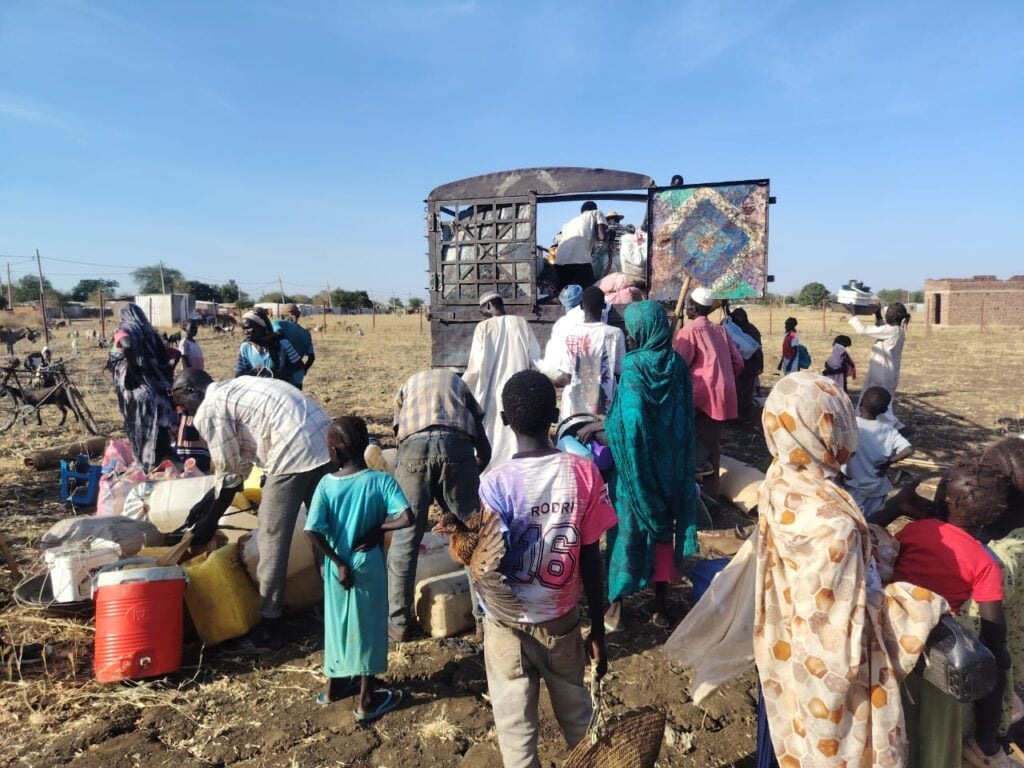
Renewed fighting in Sudan’s Blue Nile State has forced thousands of civilians to flee. SIHA Network has received reports of conflict-related sexual violence against girls and of women and girls being abducted as they tried to reach safety. Frontline volunteers and women’s rights defenders are helping families reach shelter and organizing emergency assistance as needs grow.
As of August 2026, the war in Sudan has expanded into the South Blue Nile region. The Rapid Support Forces (RSF) and allied SPLM-N-Al Hillu forces have taken control of Kurmuk town, then moved northeast into Qeissan locality and toward the banks of the Blue Nile in the Bakuri area, located 75 kilometres south of Al Damazin, the capital of Blue Nile State.
On 19 November, the fighting intensified further as the RSF/SPLM North Al Hillu alliance announced its takeover of the Bau locality headquarters. Local sources indicate ongoing clashes in Taqa, Deireng, and Fadamiya, as well as in Al-Madina 11 and 12 in Qeissan, resulting in thousands of civilians fleeing their homes.
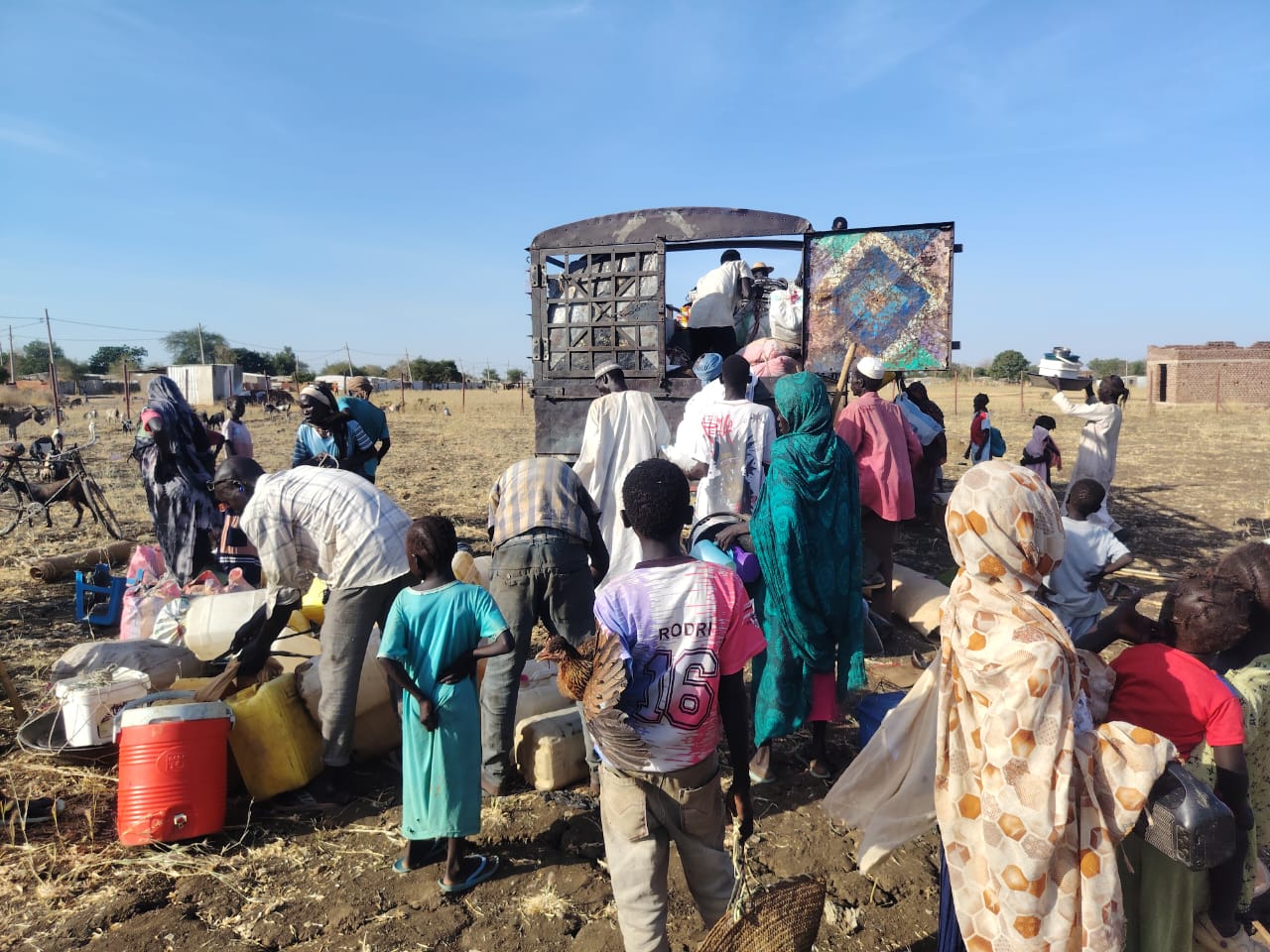
According to the International Organization for Migration, as of late October 2026, Blue Nile State was already hosting an estimated 443,494 internally displaced people. Local responders estimate that more than 7,000 families are currently making their way to Al Damazin. Many have spent days on the road without access to drinking water. Those fleeing include pregnant women, new mothers, children, the elderly, and people with disabilities.
Reports from internally displaced persons (IDPs) escaping the Bau locality suggest that some children and elderly people were left behind after a severe drone attack on the villages, leading to chaos and people disappearing during the fighting.
The SIHA Network expresses deep concern regarding reports of conflict-related sexual violence (CRSV) emerging from Blue Nile State. In the past three days, we have received reports from trusted local partners of 15 cases of CRSV against girls under the age of 18, perpetrated by armed men in RSF uniforms near Al-Yas and Armadolo, two villages in the Qeissan locality.
Additionally, SIHA has received confirmed reports of RSF fighters and allied militia members abducting 28 underage girls and women while fleeing from Al Damazin. A first responder organization reported that one abducted young woman, a recent university graduate, managed to contact her family and inform them she was being held with other women in the courtyard of the RSF-controlled Balgawa area. Other accounts from first responders highlight a broader pattern of abductions of women and girls as they attempt to escape the fighting.
The lack of transportation presents major obstacles to women who have recently given birth, those with young children, and the elderly, making it difficult for them to move safely, find refuge, and access essential services. The roads remain perilous, and the abduction of women and girls continues to be a prevalent threat among the warring factions, particularly the RSF and affiliated militias.
Local frontline volunteers and women’s rights defenders in Al Damazin are using their vehicles to help families reach shelters and operating community kitchens for new arrivals. With many international agencies having to evacuate the region, local responders are struggling to provide drinking water, food, and shelter to families still fleeing the violence and arriving in Al Damazin, all while trying to address the health and protection needs of women and girls.
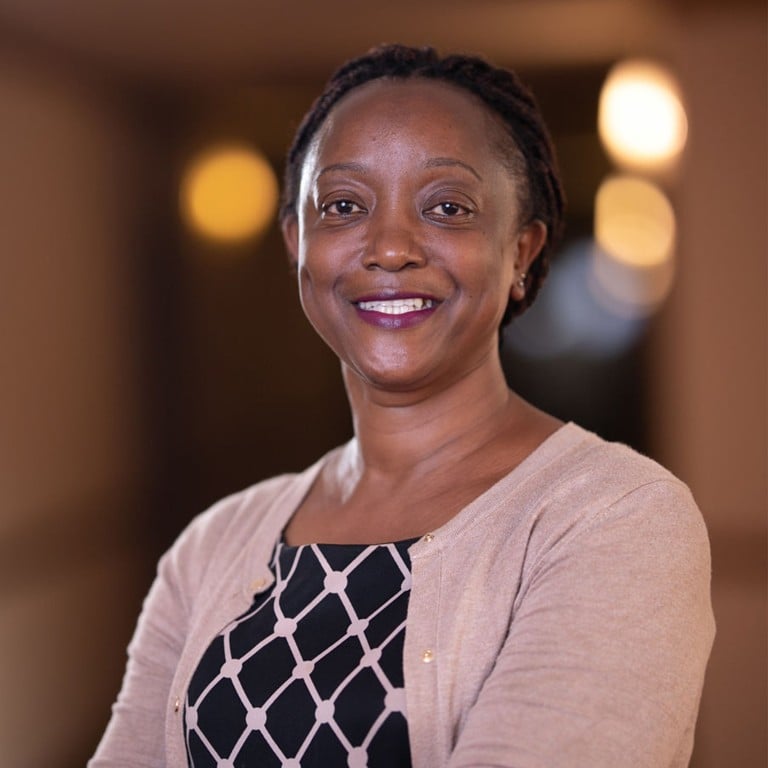
“In the fourth year of this brutal war, Sudanese civilians are still being hunted down by violence and atrocities, trapped in a conflict fuelled by greed, impunity, and a blatant disregard for our humanity,” stated Hala Alkarib, the regional director of SIHA.
Under the current dangerous situation in Blue Nile, we call for the following urgent actions:
- For the UN, INGOs, and locally led CSOs: Negotiate safe routes for displaced civilians to access safety and essential services, and urgently implement measures to protect women, girls, and children from conflict-related sexual violence.
- Extend urgent support to locally led groups working on the ground, enabling them to respond to the needs of displaced communities, including food, water, and healthcare services.
- Ensure that confidential rooms are available to support survivors of CRSV and that reproductive health kits (RH Kit 3) are accessible at these facilities.
- Ensure that health and community facilities in neighbouring states, such as Sennar State, are prepared to receive displaced people from Blue Nile State.
- The conditions in Blue Nile are beyond dire; there is a need for immediate intervention to cease the hostilities that are terrorizing and endangering the lives of the civilian population in the region.