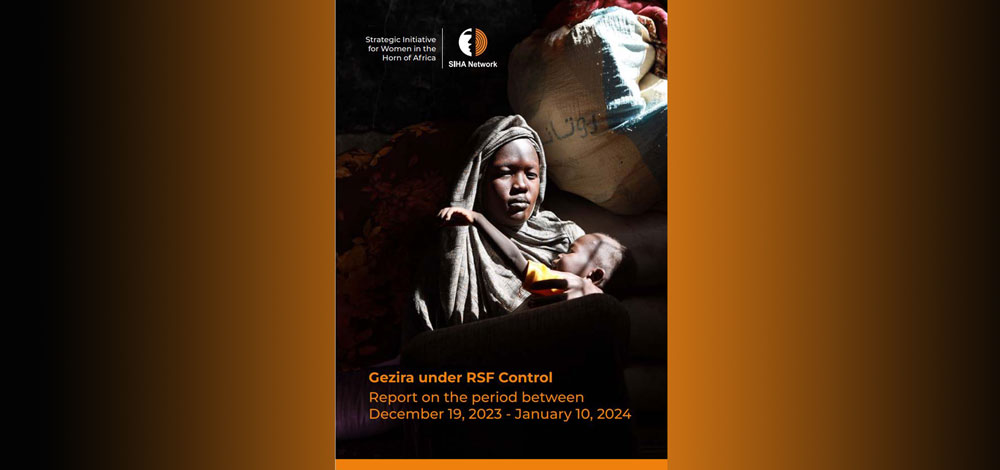
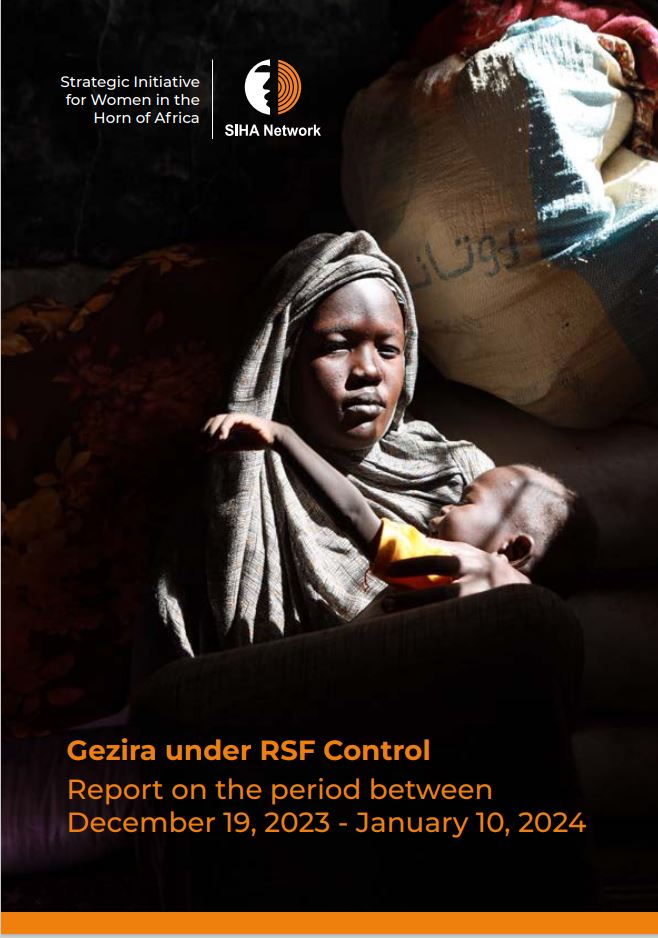
(Arabic below)
On December 18th, the Rapid Support Forces (RSF) invaded Gezira State and initiated a new phase of the ongoing conflict. Unlike in Khartoum, where upon outbreak of the war, active combat was initiated between the RSF and the Sudanese Armed Forces (SAF) within residential neighbourhoods, in Gezira the RSF entered the state swiftly and without much resistance or combat with the SAF, whose forces had quickly withdrawn from the region. While active combat was minimal in the state, the capture of Gezira by the RSF has particularly high stakes from military, humanitarian, and economic perspectives. Gezira is one of the most populous regions in Sudan, hosting a large number of inhabitants as well as a large population of people already displaced from Khartoum. It is also a site for significant agricultural production and was the major food supply to White Nile and eastern Sudan. Moreover, since the war, Gezira had become a hub for international organizations and UN Agencies who shifted to the state since the majority of IDPs from Khartoum and other areas of western Sudan had temporarily settled in Gezira. At the time of the RSF attack on Gezira, the region could have at least 5 to 6 million people, if not more. Furthermore, Gezira became a transiting region for people travelling from other parts of Sudan, going through Gezira in order to avoid routes near or entering Khartoum.
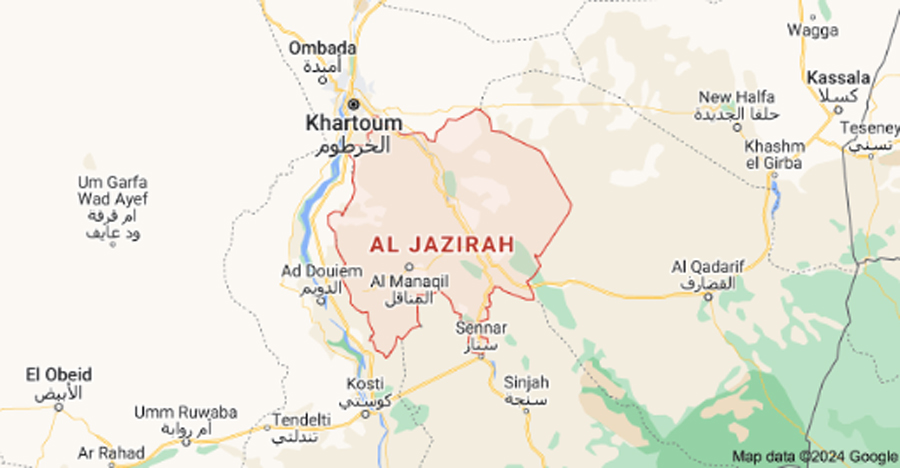
These factors have made the invasion of Gezira by the RSF particularly damaging, as this invasion has exposed a large number of civilians to ongoing violence. At the same time, the placement and nature of Gezira, a non-militarized, agricultural state, has meant that civilians have been vulnerable to attacks and looting by the RSF. Information about the invasion of Gezira has been extremely limited—unlike in Khartoum, where grassroots resistance committees and emergency rooms have been able to report on ongoing abuses, rural towns in Gezira have had limited mechanisms for reporting due to the absence of grassroots organizations as well as extremely weak telecom networks. This report outlines a fraction of the human rights abuses and sexual violence that have occurred in Gezira over the past month. The sequence of accounts contained below were reported directly from victims/survivors or mainstream media reporting, with accounts triangulated by multiple posts on social media. The cases of sexual violence outlined below came from trusted women’s networks, who have struggled to maintain communication with survivors and have noted that at times they lose contact with survivors due to the ongoing violence and instability.
Crimes Against Civilians:
From the first hours of the RSF’s move into Gezira, it was evident that they were planning to besiege the region. While civilians attempted to sneak out of Gezira on foot, the RSF besieged the civilian population and intentionally obstructed civilians from leaving during that time, while simultaneously subjecting those on foot to blackmail, abuse, and physical violence, including killing, as can be seen in videos on social media. Despite the absence of combat from the SAF, the RSF initiated a violent campaign on the civilian population, which included looting, terrorizing tactics, and sexual violence. This demonstrates that civilians in the region experienced were not experiencing violence as collateral damage but rather they were the primary targets of the violence and numerous other human rights abuses. Torture and forced recruitment were often reported by those who managed to flee the region. Reporting from Wad Madani has indicated that the RSF has used the children’s courts as a recruitment location in order to enlist child soldiers. Villages and towns in Gezira have been reported in some cases to take up arms attempting to protect themselves from the RSF, further militarizing the situation and placing civilians at risk. Other villages and towns have struck deals with the RSF, some of which involve the recruitment of soldiers from the town or village in exchange for food and prevention of looting and violence at the hands of the soldiers. Several videos were released by the RSF themselves showing the harassment, terrorization, and assault of civilians, including elders and children. Many older women, children, and sick people were besieged in the villages and towns, and they had no means to leave.
The RSF’s campaign of violence in Gezira targeted state infrastructure and private property, while also launching aggressive campaigns against young men, who were seen as potential adversaries. Reports have indicated that groups of young men were shot dead on Sennar Road in Wad Madani as they attempted to leave the city. On the 9th of January, the RSF killed Babkir Abu Khalif and injured other civilians while a large number of young men were kidnapped.
Meanwhile, the RSF looted homes, businesses, hospitals, schools, and government facilities. Following the this looting, the RSF has often destroyed the buildings themselves—this has been noted particularly for banks, as well as research institutions such as the Crops Lab, and gum arabic grain storage facilities. Private and public hospitals, health centres, and pharmacies have all been put out of service, with most of them looted. Hundreds of thousands of vehicles have been stolen.
The RSF targeted the University of Gezira, where the University of Gezira’s complexes, its property, and the property of the professors were looted. This included the systematic looting of the university’s administrative buildings, including the sites of academic affairs, student affairs, and all the relevant deanships. In addition, the university’s savings bank, its branches, the university farm, and the International Hall (Al-Razi) were robbed. On the 24th of December, citizens from Al Ekora village reported a massive looting campaign, where they lost everything: the goods in their shops, their vehicles, and their savings.
The resulting insecurity and lack of facilities had real human costs, with vulnerable populations forced to leave in the midst of all this. Gezira state was hosting hundreds of civilians from communities with special needs, including orphaned children, the elderly, and people with disabilities. Infants from Mygoma Orphanage were forced to evacuate again, leaving Wad Madani. According to media reports in Kassala, six children, most already suffering from poor health, died on the road, with many from the orphanage afflicted with Kwashiorkor disease (severe malnutrition associated with famine conditions).
All of this was accompanied by a pattern of mass violence against civilians. On December 18th, at 2 pm, reports confirmed the killing of two medical staff at Rufa’a Town Hospital after the RSF invaded the city. One of the two who were murdered is Dr. Mohamed Yousef Al Hamary. On the 23rd of December, witnesses confirmed that the RSF killed eight individuals from the village of Umm Dakarsi, a town in the Gezira region, when they objected to looting cars from inside the village. On Thursday, the 21st of December, the RSF killed Abdu Moutal Fadul, an economist and professor at Gezira University, at his home in the Bannat Area. On the 26th, Asma Awad Elsid, a woman teacher living in the Bannat Area, was killed by RSF inside her own home. According to the source, the killing happened when the RSF was looting her home. On the 21st of December, a SIHA affiliate reported a woman’s body was found on the road in front of their home in the Bannat Neighbourhood in Wad Madani. On January 5th, according to Rufa’a News, Lowyayi Awad Al Fadni, a 16-year-old boy, was shot dead by RSF soldiers in Rufa’a town for objecting to the soldiers entering his home. On Saturday, December 29th, Dr. Ahmed Al-Siddiq Ahmed Al-Abbas Al-Bakhit was killed by the RSF after he was forced out of a van travelling out of Gezira. On January 1st, three citizens were shot dead by the RSF inside the mosque in the Almedina Arab Area, located west of Wad Madani while they were performing their afternoon prayer. Seven other bodies of other civilian victims were found near the city market.
In addition to documented cases of killings, since December 15th nine women were reported missing from the Gezira region on social media. Six of the missing women have since been found, while the whereabouts of the following three women remain unknown: Khadija Yousef Said from the Al Kamlin Locality Abbas Village, Somia Fadul from Madani AbHaraz Village, and Tarikat Al-Saiaa from Wad Madani Al Hay Al Sudani.
Civilians have also faced risks due to the ongoing activity of the SAF. While the SAF withdrew from Wad Madani and much of Gezira, effectively ceding the area to the RSF, they have undertaken bombing campaigns that have also placed civilians in danger. On January 5th, the SAF launched aerial bombardments in Wad Madani, according to the resistance committee of Wad Mandani. They also noted that, although there are reports of injuries among civilians, it was challenging to reach the affected locations due to the dangerous security situation in the city as a result of the RSF’s occupation. On January 10th, the SAF performed aerial bombardments in al Haj Abdallah town south of Gezira, killing ten civilians.
Sexual Violence:
The RSF’s presence in Gezira and the city of Wad Madani starting in December has exposed many to sexual violence. While reports from Gezira are still limited due to the poor network there and the spread of fear resulting from the mass atrocities being committed by the RSF in the region. These rapes were committed by the RSF, who also assaulted and robbed the targeted individuals.
In addition, we have received a number of other reports of sexual violence in Gezira over the past month. On December 19th, the emergency room of Al Hasaheisa reported that they received six women who were sexually assaulted in Rufa’a Town by the RSF; a medical doctor in the area had also confirmed that he examined six women who had been sexually assaulted in the area. That same day, we received a report of a family from Wad Madani in the Al Zamalek Area whose home was invaded. The RSF attempted to kidnap two young women (ages 19 and 24); the father and 12-year-old-boy fought with the soldiers, and both were killed, and the two women were raped. The mother and daughter have managed to flee to a northern region of Sudan. On December 20th, we received reports that a 19-year-old was found in the Wad Azrag Area and claimed to have been raped by the RSF; she was taken to stay in the home of a community member.
On the 21st of December, sources confirmed that the RSF robbed the home of Nahla Mohmed Osman in the Al Matar Neighbourhood of Wad Madani, while she and her mother, Haja Zeinab, were in the house. After the robbery, the RSF came back to the house and attempted to rape Nahla. Nahla used a hammer to try to fight the RSF soldiers off, at which point the RSF shot Nahla and her mother, leaving Nahla dead and Haja severely wounded. Nahla, who had been three months pregnant at the time of her death, was buried in front of her home like far too many other Sudanese people who have been murdered by the RSF and as a result of this ongoing war.
On the 22nd of December, a medical doctor in Wad Madani said he was finding difficulties responding to the calls of women and girls who reported being raped in the Marinjan Area of Southeast Wad Madani because of the security situation and obstruction of movement by the RSF. That same day, reports that came from the Kassala Emergency Room confirmed the arrival of a woman from Khartoum who had been displaced to Wad Madani and had been raped before being further displaced to Kassala, having not received medical support. On the 24th of December, reports were received that seven women had been raped in the Wad Madani Industrial Area; however, communication was not established with the survivors. That same day, a 22-year-old-woman reached one of Khartoum’s emergency rooms and reported being raped in Wad Madani. On the 26th of December, we received reports that three women were raped in Al Daraga Neighbourhood in Wad Madani while they were attempting to leave; however, efforts to communicate with them to support their fleeing were not successful, and contact was lost. On December 26th, SIHA received a report of one woman who was raped, and we were able to successfully help the survivor receive medical support.
On the 27th of December, we documented 3 cases of sexual violence. These crimes occurred on the road to Khartoum while the women attempted to flee Wad Madani. On January 10th, a young woman refugee reported being raped by the RSF next to the School of Agricultural Research Institute.
Recommendations
Immediately implement a civilian protection framework which is gender-responsive and ensures unhindered access to community-led humanitarian aid for the people in Sudan whom this mass campaign of atrocities and violence has impacted. This framework should have actionable consequences if violated.
Immediately establish a cessation of hostility, monitored closely and overseen by ground forces and the establishment of civilian safe zones. This should be done while facilitating a broad-based and inclusive civilian-led conflict transformation process in which women are leading.
Establish an international criminal tribunal (similar to the tribunal established to address the crimes of genocide in Rwanda) to address the war crimes and crimes against humanity committed during the Sudan conflict. This tribunal is critical for building accountability mechanisms for future political processes and avoiding recycling violence.
Exert pressure on the RSF and their allies to stop the killing and the destruction of Sudan’s infrastructure. The SAF must be pressured to come to the table with a viable and serious political process that will enable civilians’ and women’s participation and guarantee that both RSF and SAF are not part of any ruling structures in Sudan.
Enhance support for adequate humanitarian aid for the civilians affected by the conflict by providing resources and programs to support communities of IDPs’ livelihoods and social well-being, along with mental health and psychosocial support services.
Implement the fact-finding mission by the UN Human Rights Council. This mission must be consolidated and supported by the formation of a Sudan fact-finding mission by the Security Council to examine the breaches and violations of the Security Council resolutions in Darfur and Sudan and specifically to investigate the massive sexual violence crimes committed across the country.
Stop illicit financial streams and political economies that enrich critical perpetrators of violence.
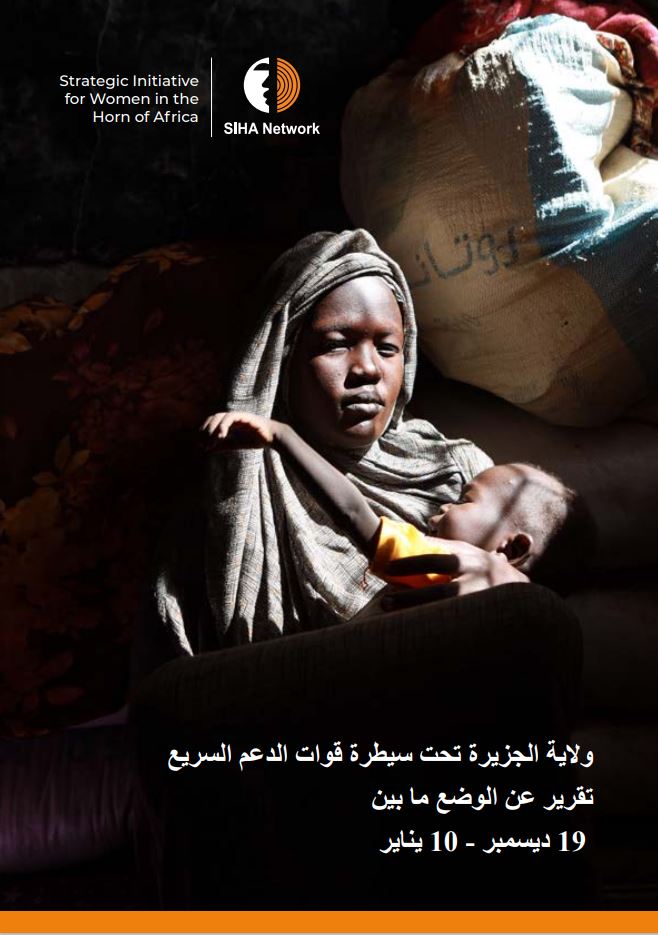
مقدمة:
احتلت قوات الدعم السريع ولاية الجزيرة في اليوم الثامن عشر من شهر ديسمبر، مُعلنة بذلك بداية مرحلة جديدة من الصراع القائم. خلافاً لما حدث في الخرطوم خلال بداية اندلاع الحرب من معارك نشطة بين قوات الدعم السريع والقوات المسلحة السودانية كانت الأحياء السكنية مسرحاً لعملياتها العسكرية، كان دخول قوات الدعم السريع إلى ولاية الجزيرة سريعاً ودون مقاومة تذكر من جانب القوات المسلحة السودانية التي انسحبت قواتها وتشكيلاتها العسكرية سريعاً من المنطقة. وبالرغم من انحسار العمليات العسكرية في ولاية الجزيرة، إلا أن سيطرة قوات الدعم السريع على ولاية الجزيرة ستلقي بظلالها على كافة الجوانب الأمنية، والإنسانية، والاقتصادية. وذلك لأن ولاية الجزيرة تعتبر من أكبر الولايات من حيث التعداد السكاني بين ولايات السودان، فهي تحتضن عدداً كبيراً من السكان، هذا بالإضافة إلى المواطنين النازحين القادمين من الخرطوم. كما أنها ولاية ذات انتاج زراعي مميز يساهم بشكل كبير في توفير الغذاء إلى مناطق النيل الأبيض كردفان وشرق السودان. فضلاً عن ذلك، أصبحت ولاية الجزيرة مركزاً رئيسياً للمنظمات الدولية ووكالات الأمم المتحدة التي اتخذت فيها مقراً لها خصوصاً بعد أن أصبحت الولاية مُستقراً مؤقتاً لأغلبية النازحين القادمين من الخرطوم ومناطق غرب السودان. يقدر عدد السكان في ولاية الجزيرة بحوالي (5) إلى (6) مليون نسمة وفقاً لأقل تقدير في وقت هجوم قوات الدعم السريع على الولاية. كما أن ولاية الجزيرة كانت قد أصبحت معبراً مناسباً لكافة المسافرين من مناطق السودان الأخرى، حيث أن العبور بولاية الجزيرة يمكنهم من تجنب المرور بالخرطوم أو المسارات القريبة أو المؤدية إلى الخرطوم.
كافة هذه العوامل قد ساهمت في مفاقمة التداعيات الخطرة لاحتلال قوات الدعم السريع لولاية الجزيرة، وذلك لأن هذا الاحتلال قد عرَّض عددًا كبيرًا من المدنيين لويلات الحرب. وفي الوقت نفسه، فإن ولاية الجزيرة تعتبر بطبيعة الحال ولاية زراعية غير عسكرية، مما يعني أن المدنيين في المنطقة سيكونون هدفاً سهلاً للهجمات وأعمال النهب على يد قوات الدعم السريع. وعلى النقيض من الخرطوم، فإن المعلومات حول احتلال الجزيرة كانت شحيحة للغاية، ففي الخرطوم تمكنت لجان المقاومة القاعدية وغرف الطوارئ من رصد ونشر المعلومات حول الانتهاكات القائمة، بينما المناطق الريفية في ولاية الجزيرة لديها آليات محدودة فيما يخص التبليغ والتقرير عن الانتهاكات وذلك لانعدام التنظيم على المستوى القاعدي بالإضافة إلى ضعف شبكات الاتصال.
يسلط هذا التقرير الضوء على جزء قليل جداً من جملة انتهاكات حقوق الإنسان والعنف الجنسي الذي وقع في ولاية الجزيرة خلال الأسابيع التي تلت اجتياح الدعم السريع للولاية.
محتويات التقرير أدناه تم استخلاصها بشكل مباشر من مصادرها من الضحايا والناجين والناجيات، فضلاً عن مصادر من وسائل الإعلام العامة، ومحتويات منشورات مواقع التواصل الاجتماعي الموثوقة ذات الصلة. كما أن المعلومات الموضحة أدناه حول حالات العنف الجنسي مصدرها شبكات نسائية موثوقة عانت الأمريّن حتى تحافظ على التواصل مع الناجيات — كما أن النساء من هذه الشبكات النسائية المختصة قد أشرن إلى أنهن يفقدن التواصل مع الناجيات نظراً لظروف الأعمال العدائية القائمة وعدم الاستقرار.
الجرائم ضد المدنيين
منذ الساعات الأولى لتحرك قوات الدعم السريع إلى ولاية الجزيرة، كان من الواضح أنها تخطط لمحاصرة المنطقة. وبينما حاول المدنيون التسلل من ولاية الجزيرة سيراً على الأقدام، حاصرت قوات الدعم السريع السكان المدنيين ومنعتهم عمداً من المغادرة خلال تلك الفترة، بينما عرضتهم في الوقت نفسه للابتزاز والإساءة والعنف الجسدي، بما في ذلك القتل كما يتضح ذلك من مقاطع الفيديو على وسائل التواصل الاجتماعي.
وعلى الرغم من غياب الاشتباكات نتيجة لانسحاب القوات المسلحة السودانية، بدأت قوات الدعم السريع حملة عنيفة على السكان المدنيين، والتي شملت النهب وتكتيكات الترهيب والعنف الجنسي. وهذا يدل على أن المدنيين في المنطقة لم يتعرضوا للعنف كأضرار جانبية، بل كانوا الأهداف الرئيسية للعنف والعديد من انتهاكات حقوق الإنسان الأخرى. وكثيراً ما تم الإبلاغ عن التعذيب والتجنيد القسري من قبل أولئك الذين تمكنوا من الفرار من المنطقة. أشارت التقارير الواردة من ولاية الجزيرة إلى أن قوات الدعم السريع استخدمت محاكم الأطفال كموقع للتجنيد من أجل تجنيد الأطفال في مدينة الحصاحيصا. وقد تم الإبلاغ في بعض الحالات عن قيام قرى وبلدات في الجزيرة بحمل السلاح في محاولة لحماية نفسها من قوات الدعم السريع، مما يزيد من عسكرة الوضع وتعريض المدنيين للخطر. وأبرمت قرى وبلدات أخرى صفقات مع قوات الدعم السريع، بعضها يتضمن تجنيد جنود من البلدة أو القرية مقابل الغذاء ومنع النهب والعنف على يد الدعم السريع. ونشرت قوات الدعم السريع نفسها عدة مقاطع فيديو تظهر المضايقات والترهيب والاعتداء على المدنيين، بما في ذلك كبار السن والأطفال. وقد حوصر العديد من كبار السن من النساء والأطفال والمرضى في القرى والبلدات، ولم يكن لديهم وسيلة للمغادرة.
استهدفت حملة العنف التي شنتها قوات الدعم السريع في ولاية الجزيرة البنية التحتية للدولة والممتلكات الخاصة، في حين شنت أيضاً حملات عدوانية ضد الشباب الذين كان يُنظر إليهم على أنهم أعداء محتملون. وأشارت التقارير إلى مقتل مجموعات من الشباب بالرصاص على طريق سنار في ود مدني أثناء محاولتهم مغادرة المدينة. وفي التاسع من يناير، قتلت قوات الدعم السريع بابكر أبو خليفة وأصابت مدنيين آخرين، فيما تم اختطاف عدد كبير من الشباب.
وفي الوقت نفسه، نهبت قوات الدعم السريع المنازل، والشركات، والمستشفيات، والمدارس، والمرافق الحكومية. وفي أعقاب هذا النهب، قامت قوات الدعم السريع في كثير من الأحيان بتدمير المباني نفسها — وقد لوحظ ذلك بشكل خاص بالنسبة للبنوك، وكذلك المؤسسات البحثية مثل مختبرات البحوث الزراعية، ومرافق تخزين الحبوب والصمغ العربي. وخرجت المستشفيات الخاصة والعامة، والمراكز الصحية، والصيدليات عن الخدمة، وتم نهب معظمها. وقد سُرقت مئات الآلاف من المركبات.
واستهدفت قوات الدعم السريع جامعة الجزيرة، حيث تم نهب مجمعات الجامعة وممتلكاتها وممتلكات الأساتذة. وشمل ذلك النهب الممنهج للمباني الإدارية للجامعة، بما في ذلك مواقع الشؤون الأكاديمية، وشؤون الطلاب، وجميع العمادات المعنية. كما تعرض بنك التوفير بالجامعة، وفروعه، ومزرعة الجامعة، والقاعة الدولية (الرازي) للسرقة. وفي اليوم الرابع والعشرين من شهر ديسمبر، بلَّغ مواطنون من قرية العيكورة عن حملة نهب واسعة النطاق، حيث فقدوا كل شيء بما في ذلك البضائع الموجودة في محلاتهم التجارية، ومركباتهم، ومدخراتهم.
وكان لانعدام الأمن الناتج عن ذلك ونقص المرافق تكاليف بشرية حقيقية، حيث اضطر السكان الضعفاء إلى المغادرة وسط كل هذه التهديدات. وكانت ولاية الجزيرة تستضيف مئات المدنيين من مجتمعات ذوي الاحتياجات الخاصة، بما في ذلك الأطفال الأيتام، وكبار السن، وذوي الإعاقة. واضطر الأطفال الرضع من دار المايقوما إلى الإخلاء مرة أخرى ومغادرة ود مدني بولاية الجزيرة هذه المرة. وبحسب تقارير إعلامية في كسلا، توفي في الطريق عدد (6) أطفال، ومعظمهم كانوا يعانون بالفعل من تدهور صحي حاد، إضافة إلى إصابة العديد من الأطفال في دار الأيتام بمرض كواشيوركور (سوء تغذية حاد مرتبط بمظاهر المجاعة).
وقد صاحب دخول قوات الدعم السريع ولاية الجزيرة أنماطًا من العنف الجماعي والممنهج ضد المدنيين. في الثامن عشر من ديسمبر، في تمام الساعة الثانية بعد الظهر، أكدت التقارير مقتل اثنين من الطاقم الطبي في مستشفى مدينة رفاعة بعد اجتياح قوات الدعم السريع للمدينة. ومن بين القتيلين الدكتور محمد يوسف الحمري. وفي الثالث والعشرين من ديسمبر، أكد شهود عيان أن قوات الدعم السريع قتلت ثمانية أشخاص من قرية أم دقرسي بولاية الجزيرة عندما اعترضوا على نهب السيارات من داخل القرية. وفي يوم الخميس الحادي والعشرين من ديسمبر، قتلت قوات الدعم السريع عبد المتعال فضل، الخبير الاقتصادي والأستاذ بجامعة الجزيرة، بمنزله بمنطقة بانت. وفي اليوم السادس والعشرين من شهر ديسمبر قُتلت أسماء عوض السيد، وهي معلمة تعيش في منطقة بانت، على يد قوات الدعم السريع داخل منزلها. وبحسب المصدر فإن القتل وقع عندما كانت قوات الدعم السريع تنهب منزلها. فضلاً عن ذلك، في الحادي والعشرين من شهر ديسمبر، أفادت إحدى شريكات شبكة صيحة أنه تم العثور على جثة امرأة على الطريق أمام منزلهم في حي بانت في مدينة ود مدني.
وفي الخامس من شهر يناير، ووفقاً لما ذكرته رفاعة نيوز، قُتل لؤي عوض الفادني، صبي يبلغ من العمر 16 عاماً برصاص جنود الدعم السريع في بلدة رفاعة بسبب اعتراضه على دخول الجنود منزله. وفي يوم السبت التاسع والعشرين من شهر ديسمبر قُتل الدكتور أحمد الصديق أحمد العباس البخيت على يد قوات الدعم السريع بعد أن أُجبر على النزول من شاحنة كانت متجهة إلى خارج الجزيرة. وفي الأول من شهر يناير، قُتل ثلاثة مواطنين برصاص قوات الدعم السريع داخل المسجد بمنطقة المدينة عرب الواقعة غرب ود مدني أثناء أدائهم صلاة العصر. كما عُثِر على سبع جثث أخرى لضحايا مدنيين آخرين بالقرب من سوق المنطقة.
وبالإضافة إلى حالات القتل الموثقة، وثقنا أيضاً ثلاث حالات لسيدات اختفين من منطقة الجزيرة منذ اليوم الخامس عشر من شهر ديسمبر، والسيدات هن: خديجة يوسف سعيد من محلية الكاملين قرية عباس؛ وسمية فضل من مدني أبو حراز؛ وتاركة السيئة من ود مدني الحي السوداني.
كما واجه المدنيون مخاطراً بسبب النشاط المستمر للقوات المسلحة السودانية في المنطقة، وبينما انسحبت القوات المسلحة من ود مدني وجزء كبير من الجزيرة، وتنازلت فعلياً عن المنطقة لقوات الدعم السريع، فقد شنت حملات قصف جوي عرضت أيضاً المدنيين للخطر. وفي الخامس من شهر يناير، شنت القوات المسلحة السودانية عمليات قصف جوي على ود مدني بحسب لجنة مقاومة ود مدني. وأشارت اللجنة أيضاً إلى أنه على الرغم من وجود تقارير عن إصابات بين المدنيين، إلا أنه كان من الصعب الوصول إلى المواقع المتضررة بسبب الوضع الأمني الخطير في المدينة نتيجة لاحتلال قوات الدعم السريع للمنطقة. وفي العاشر من يناير قامت القوات المسلحة السودانية بقصف جوي على بلدة الحاج عبد الله جنوب الجزيرة مما أسفر عن مقتل عشرة مدنيين.
العنف الجنسي
أدى تواجد قوات الدعم السريع في ولاية الجزيرة ومدينة ود مدني ابتداءً من شهر ديسمبر إلى تعرض الكثير من النساء والفتيات للعنف الجنسي. في حين أن التقارير الواردة من الجزيرة لا تزال محدودة بسبب ضعف شبكات الاتصالات هناك وانتشار الخوف الناتج عن الفظائع الجماعية التي ترتكبها قوات الدعم السريع في المنطقة، فقد ارتكبت قوات الدعم السريع جرائم الاغتصاب واعتدت أيضاً على الأفراد وقامت بتنفيذ أعمال النهب.
بالإضافة إلى ذلك، تلقينا عدداً من التقارير الأخرى عن العنف الجنسي في ولاية الجزيرة خلال الشهر الماضي. في التاسع عشر من شهر ديسمبر، أفادت غرفة طوارئ منطقة الحصاحيصا أنها استقبلت عدد (6) نساء تعرضن لاعتداءات جنسية في مدينة رفاعة من قبل قوات الدعم السريع، كما أكد طبيب في المنطقة أنه قام بفحص ست نساء تعرضن لاعتداءات جنسية في المنطقة. في نفس اليوم، تلقينا بلاغاً من عائلة من ود مدني بمنطقة الزمالك تم مداهمة منزلهم والاعتداء على شابتين (19) و(24) سنة، عندها قام الأب ومعه الأخ الصبي البالغ من العمر 12 عاماً بالمقاومة فقُتل كلاهما، واغتصبت الشابتان، وقد تمكنت الأم وابنتاها من الفرار إلى شمال السودان.
في العشرين من ديسمبر تلقينا تقاريرًا تفيد بالعثور على شابة تبلغ من العمر (19) عاماً في منطقة ود أزرق وقيل أنها تعرضت للاغتصاب من قبل قوات الدعم السريع، وتم نقلها للبقاء بمنزل أحد الأسر التي لا تزال متواجدةً بالمدينة.
وفي الحادي والعشرين من شهر ديسمبر، أكدت مصادر أن قوات الدعم السريع قامت بسرقة منزل المواطنة نهلة محمد عثمان بحي المطار بمدينة ود مدني، أثناء تواجدها هي ووالدتها الحاجة زينب بالمنزل. وبعد عملية السطو، عادت قوات ا لدعم السريع إلى المنزل وحاولت اغتصاب نهلة. استخدمت نهلة مطرقة لمحاولة صد جنود الدعم السريع، وعندها أطلقت قوات الدعم السريع النار على نهلة ووالدتها، مما أدى إلى مقتل نهلة وإصابة والدتها بجروح خطيرة. تم دفن نهلة التي كانت حاملاً في شهرها الثالث وقت وفاتها أمام منزلها مثل العديد من السودانيين الآخرين الذين قتلتهم قوات الدعم السريع نتيجة لهذه الحرب المستمرة.
وفي الثاني والعشرين من ديسمبر، قال طبيب بمدينة ود مدني أنه يجد صعوباتٍ في الاستجابة لنداءات النساء والفتيات اللاتي أبلغن عن تعرضهن للاغتصاب بمنطقة مارينجان جنوب شرق ود مدني بسبب الوضع الأمني وعرقلة قوات الدعم السريع للحركة. وفي اليوم نفسه، أكدت التقارير الواردة من غرفة طوارئ كسلا وصول امرأة من الخرطوم كانت قد نزحت إلى ود مدني وتعرضت للاغتصاب قبل نزوحها إلى كسلا، كما أنها لم تتلق أي دعم طبي.
وفي الرابع والعشرين ديسمبر وردت أنباء عن تعرض سبع نساء للاغتصاب في منطقة ود مدني الصناعية ولكن لم يتم التواصل مع الناجيات. وفي اليوم نفسه، وصلت امرأة تبلغ من العمر (22) عاماً إلى إحدى غرف الطوارئ في الخرطوم وأبلغت عن تعرضها للاغتصاب في ود مدني.
وفي السادس والعشرين ديسمبر، تلقينا تقاريرًا عن تعرض ثلاث نساء للاغتصاب في حي الدرجة في ود مدني أثناء محاولتهن المغادرة، إلا أن جهود التواصل معهن لدعم فرارهن لم تنجح، وانقطع الاتصال بهن. وخلال نفس اليوم السادس والعشرين من ديسمبر، تلقت شبكة صيحة بلاغاً عن امرأة تعرضت للاغتصاب وتمكنا من مساعدة الناجية في الحصول على الدعم الطبي.
وبتاريخ السابع والعشرين من ديسمبر وثقنا عدد (3) حالات عنف جنسي. ووقعت هذه الجرائم على الطريق المؤدي إلى الخرطوم أثناء محاولات النساء الفرار من ود مدني. وفي العاشر من يناير، أبلغت شابة لاجئة عن تعرضها للاغتصاب من قبل قوات الدعم السريع بجوار مدرسة معهد البحوث الزراعية في ود مدني.
التوصيات
نؤكد على التوصيات التي تمت مشاركتها من قبل عدد من منظمات ومجموعات المجتمع المدني السوداني في الرابع والعشرين من ديسمبر من العام (2023) للجهات الفاعلة السودانية والدولية وأصدقاء السودان:
- التنفيذ الفوري لإطار متكامل لحماية المدنيين يستجيب ويتضمن احتياجات النساء والفتيات ويضمن الوصول دون عوائق إلى المساعدات الإنسانية مع الالتزام بدور المجتمع المدني المحلي الملم بمصالح المتأثرين بهذه الحملة الجماعية من الفظائع والعنف في السودان. وينبغي أن تكون هنالك عواقب واضحة في حالة انتهاك هذا الإطار.
- ينبغي أن يتضمن إطار حماية المدنيين الوقف الفوري للأعمال العدائية، والإشراف على تنفيذ ذلك برقابة دولية على الأرض، فضلاً عن إنشاء مناطق آمنة للمدنيين. وينبغي أن يتم ذلك بالتزامن مع عملية سياسية واسعة النطاق وشاملة بقيادة مدنية يتحقق فيها للنساء أدوار قيادية وفعالة.
- إنشاء محكمة جنائية دولية (على غرار المحكمة المنشأة للنظر في جرائم الإبادة الجماعية في رواندا) للنظر في جرائم الحرب والجرائم ضد الإنسانية التي ارتكبت خلال الحرب في السودان. ولهذه المحكمة أهمية بالغة في بناء آليات المحاسبية والتي ينبغي أن تضمن في العمليات السياسية المستقبلية لتجنب إعادة تدوير العنف.
- الضغط على قوات الدعم السريع وحلفائها لوقف القتل وتدمير البنية التحتية في السودان. كما يجب الضغط على القوات المسلحة السودانية للجلوس إلى طاولة المفاوضات من خلال عملية سياسية جادة وقابلة للاستمرار بمشاركة قوى المجتمع المدني السوداني بما في ذلك النساء والشباب على أن تضمن تلك العملية بشكل واضح عدم مشاركة قوات الدعم السريع والقوات المسلحة السودانية في أي من هياكل الحكم في السودان.
- تعزيز دعم المساعدات الإنسانية الكافية للمدنيين المتضررين من النزاع من خلال توفير الموارد والبرامج لدعم مجتمعات النازحين داخلياً واللاجئين وسبل عيشهم ورفاههم الاجتماعي، إلى جانب خدمات الصحة العقلية والدعم النفسي والاجتماعي.
- تنفيذ مهمة لجنة تقصي الحقائق من قبل مجلس حقوق الإنسان التابع للأمم المتحدة. كما يجب تعزيز هذه اللجنة ودعمها من خلال تشكيل بعثة لتقصي الحقائق في السودان من قبل مجلس الأمن للتحقيق في الانتهاكات والتجاوزات على قرارات مجلس الأمن حول دارفور وعموم السودان. وعلى وجه التحديد للتحقيق في جرائم العنف الجنسي التي تم ارتكابها في مختلف مناطق السودان.
- وقف التدفقات المالية غير المشروعة والاقتصادات السياسية التي تثري الجهات المسؤولة عن العنف وتتسبب في استمرار العنف في السودان.