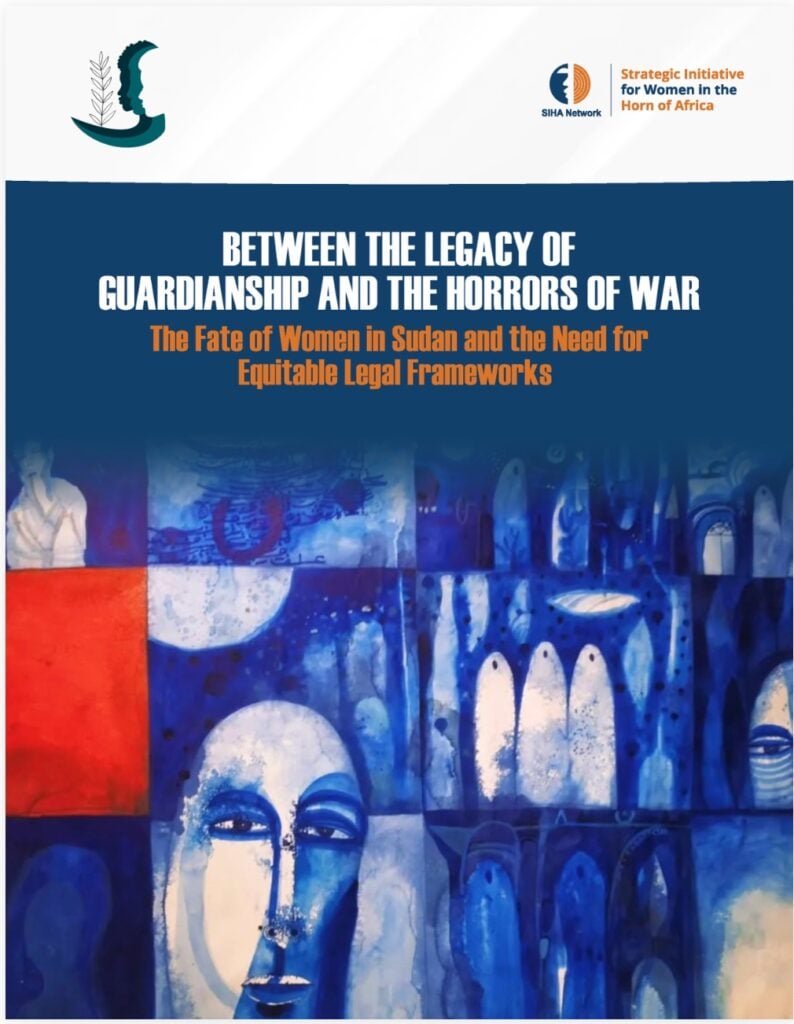
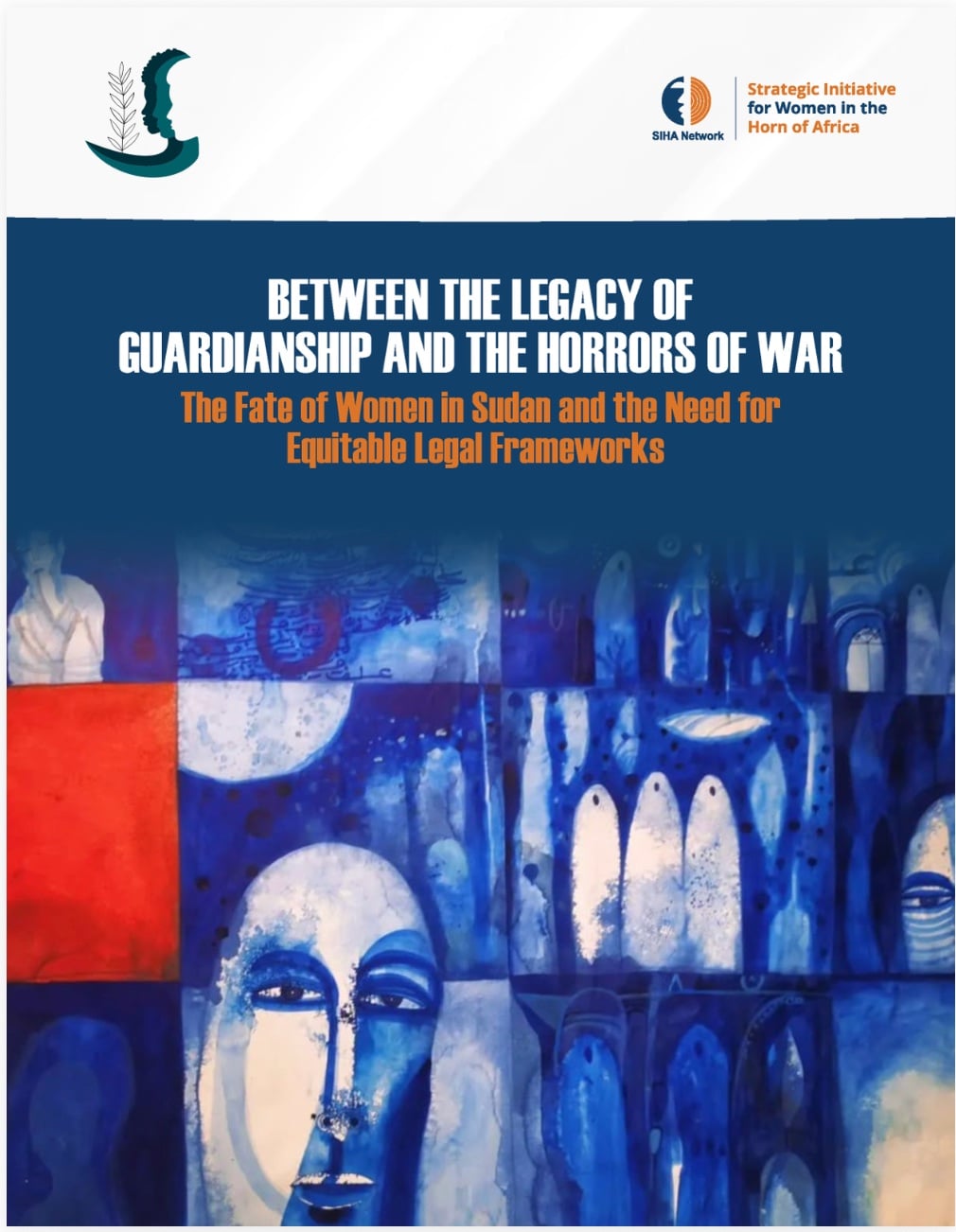
This research paper examines how Wilāya (Guardianship) impacts the lives and voices of Sudanese women, within the spheres of gender justice, civic engagement and Islamic identity. The paper puts forward the central argument that the intersection of male guardianship, Sharia-derived law, and women’s societal participation creates tension between women’s mobilization for equitable participation and the constraints of legal guardianship. It therefore unpacks these tensions from the perspective of women’s interactions with Sudan’s legal framework, patriarchal norms driven by culture and religion, existing within the overall context of Sudan’s ongoing conflict. The paper then concludes with recommendations on how this can be remedied, cutting across bridging the gap between Islamic legal discourse and human rights, addressing intersectional and structural inequalities, critical legal and policy reforms needed as well as strengthening the judicial system and overall law enforcement capacity in Sudan.