
Since the fall of El Fasher on October 26, 2025, the Strategic Initiative for Women in the Horn of Africa (SIHA) Network has documented and verified fifty-two (52) cases of rape and gang rape that took place in the first ten (10) days immediately following the attack by the Rapid Support Forces (RSF). Most of these crimes were committed on October 27, 2025, alone. These violations occurred as women and girls attempted to flee from the city through Shagra, Garni, and Tura villages in addition to Al Amal Gate. The cases SIHA documented represent only a fraction of the considerable and widespread atrocities committed. Survivors include girls as young as fourteen (14) years old and women up to the age of forty-five (45).
These violations explicitly illustrate the use of sexual violence as a weapon of war, used to terrorize and dismantle indigenous African communities in the Darfur region. This is confirmed by the speed, magnitude, and brutality with which these crimes were carried out.
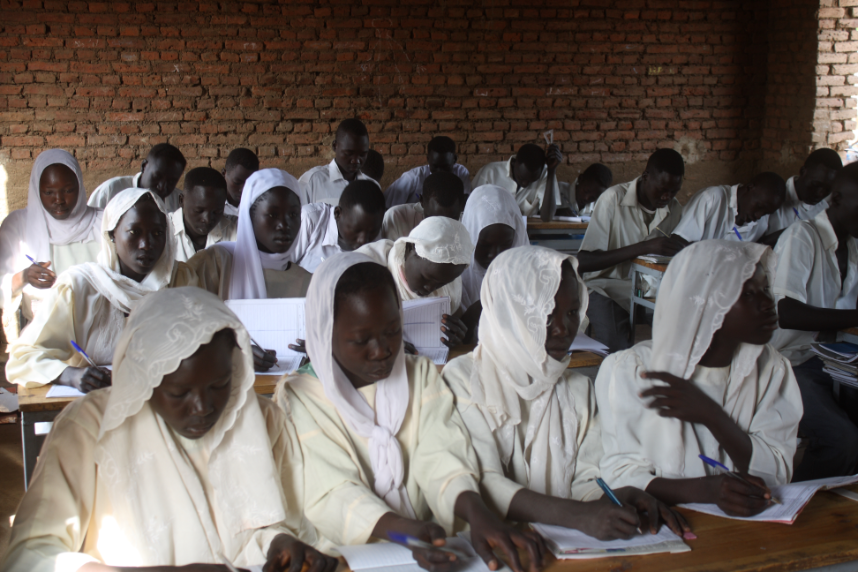
Since the RSF took full control of El Fasher, thousands of women and girls have been subjected to forced displacement, fleeing under gunfire, bombardment, and targeted attacks. According to our sources, many escaped after witnessing the execution of family members, the burning of houses, and armed raids on civilian neighbourhoods. Forced displacement has become a deliberate tactic: women and girls are pushed out of their homes with nothing, forced to walk for days through unsafe routes controlled by the RSF, who continue to violate, abduct, and terrorize them along the way. This displacement, as witnessed and lived through for the past 23 years, is part of a broader strategy to leave Darfur communities exceptionally vulnerable to violence, starvation, and exploitation.
Along all major exit routes from El Fasher, women and girls are being abducted and forcibly disappeared in groups, held in isolated areas, subjected to sexual violence, beatings, and intimidation. As observed in SIHA Network’s previous updates on El Fasher, ransom extortion by the RSF has now become a systematic practice, trapping families in financial desperation and forcing survivors to return to unsafe areas in search of money.
The most alarming dimension of this crisis is the total collapse of all protection systems. There are no functioning referral pathways, survivor-centred protocols, trained first responders, or safe shelters for women and girls fleeing violence. Neither national nor international humanitarian actors in the area have been able to respond sufficiently, considering the scale of the crisis, leaving most survivors with no medical care, psychosocial support, or any mechanisms for reporting or safety. With no justice or accountability for perpetrators and no protective presence on the ground, thousands of civilians, especially women and girls, remain completely exposed and unprotected in the face of the rapidly intensifying violence.
We remain deeply concerned that RSF forces may launch an attack on Tawilah, placing an already traumatized population of displaced women and girls at further risk of sexual violence, abduction, enforced disappearance, and death. Tawilah is increasingly becoming a pressure zone. With the town serving as a temporary refuge for thousands of civilians, Tawilah is literally collapsing under the weight of displacement and insecurity. Without urgent international intervention, it risks becoming the next epicentre of mass atrocities in North Darfur. An attack under these conditions would result in catastrophic loss of life.
The crimes unfolding in and around El Fasher represent one of the most severe sexual violence emergencies in Darfur’s recent history. Every hour, more women and girls are at immediate risk of rape, abduction, torture, enslavement, or death.
We call on the United Nations, the African Union, the Intergovernmental Authority on Development, international humanitarian agencies, and all relevant actors to respond immediately and decisively.