Chair, Excellencies, colleagues,
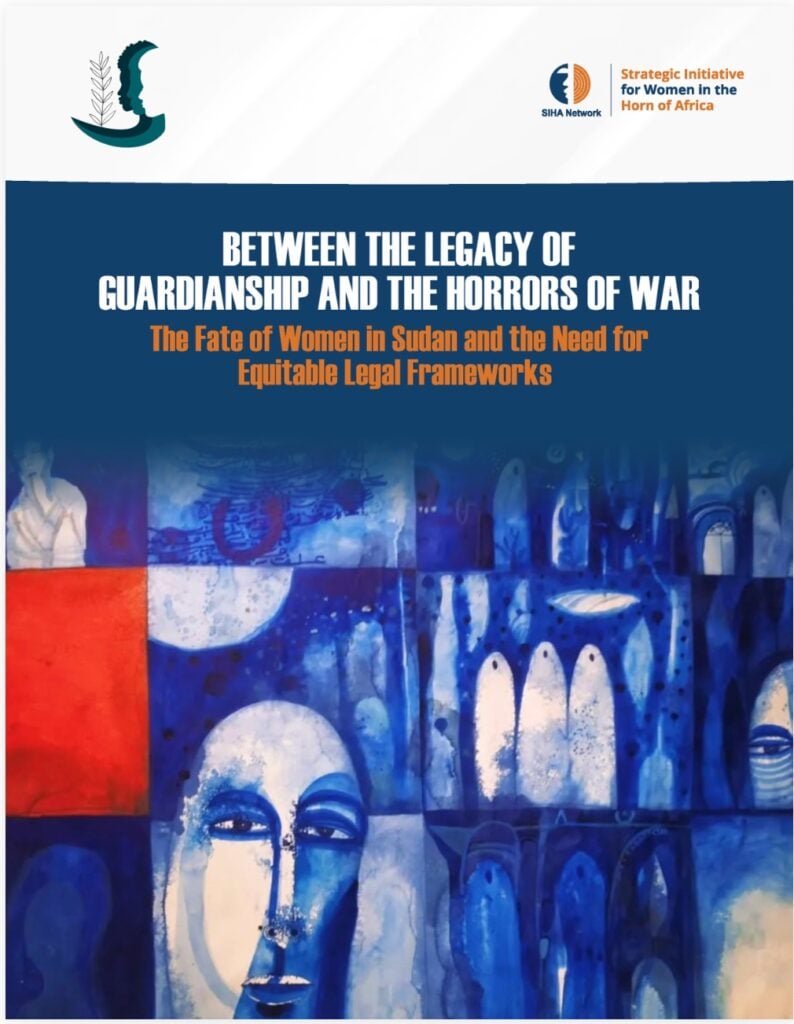
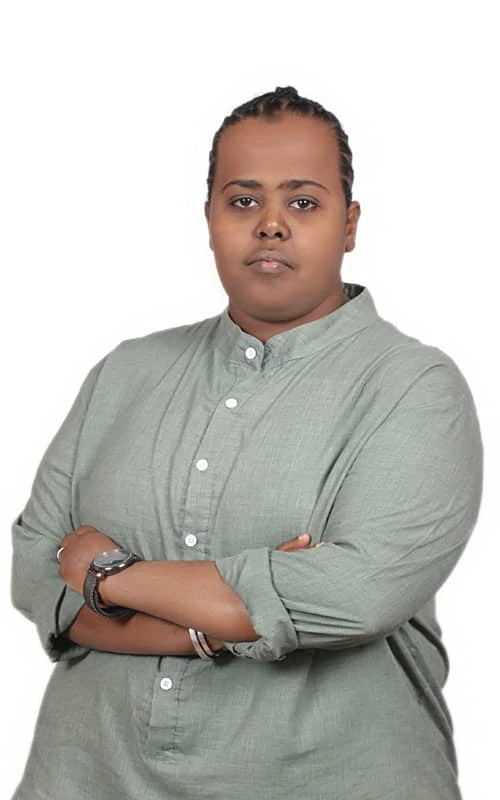
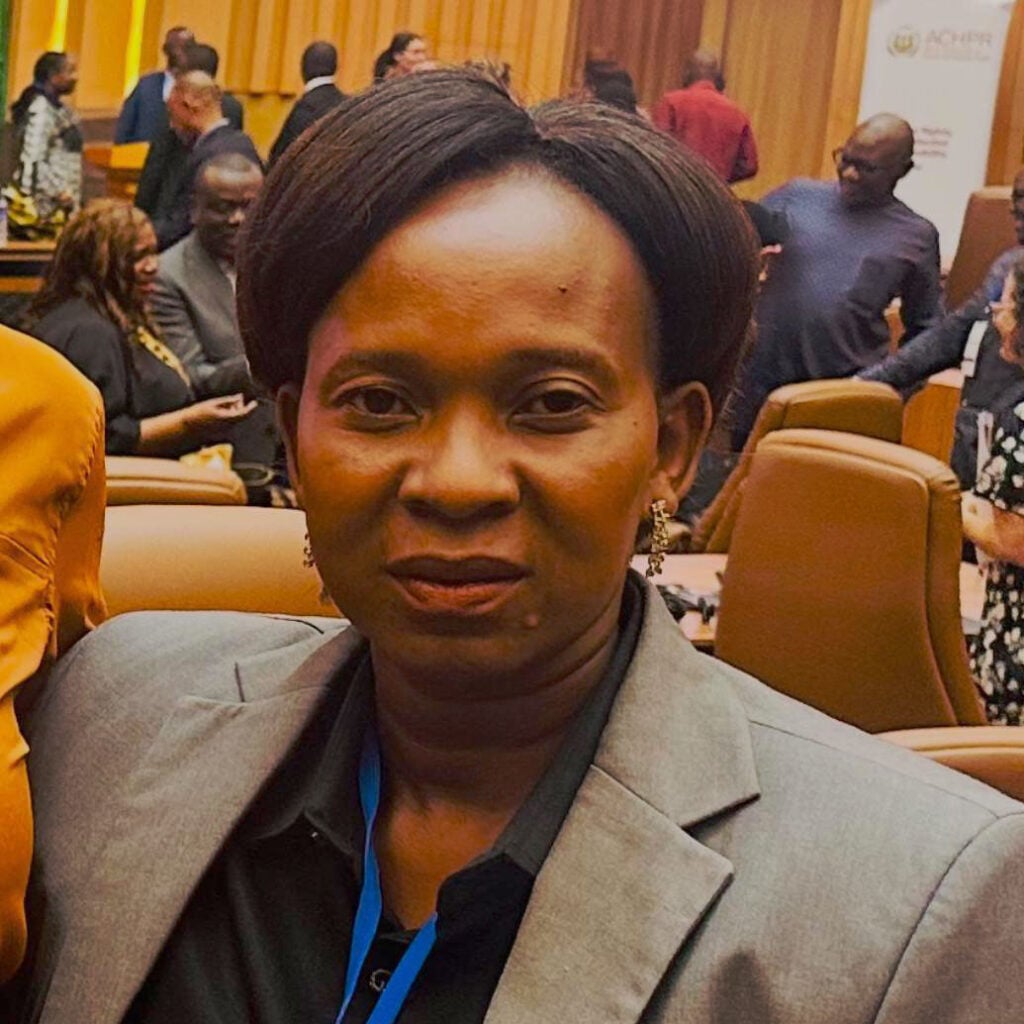
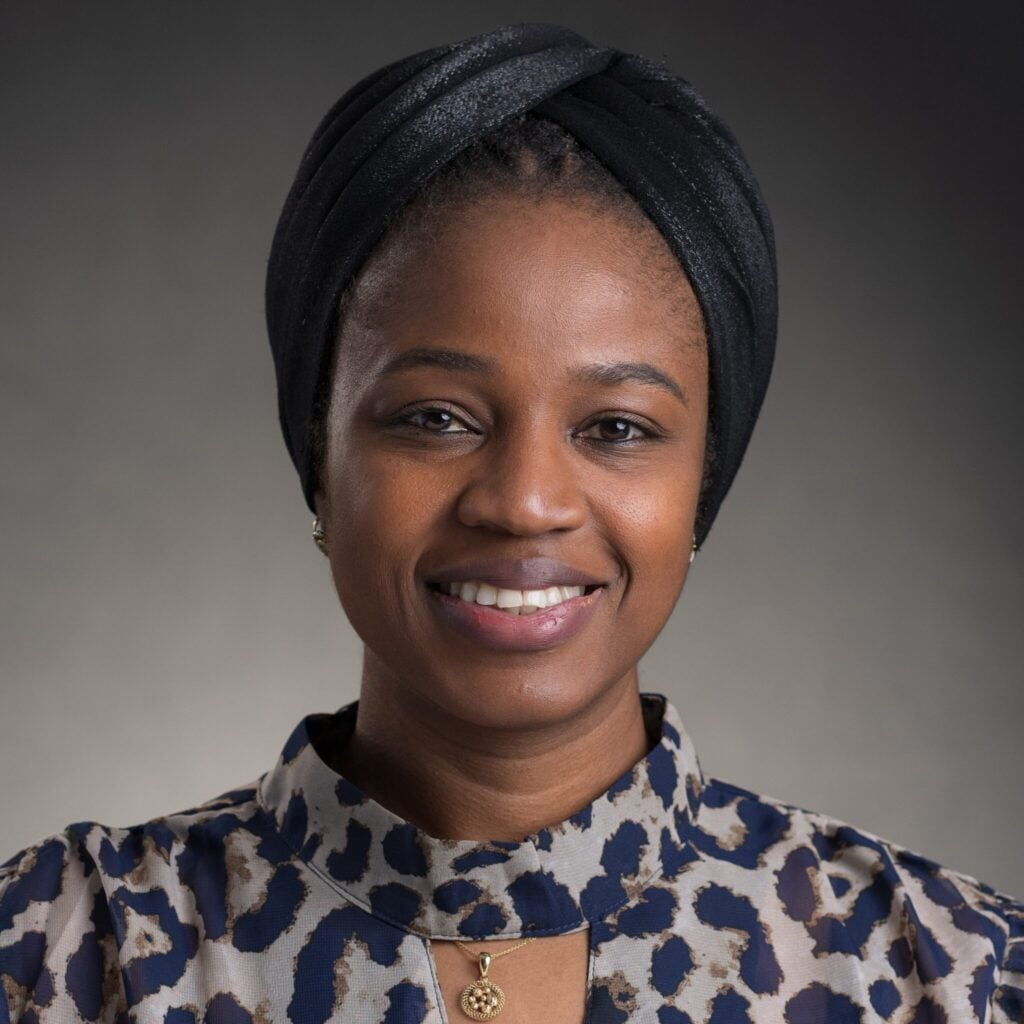
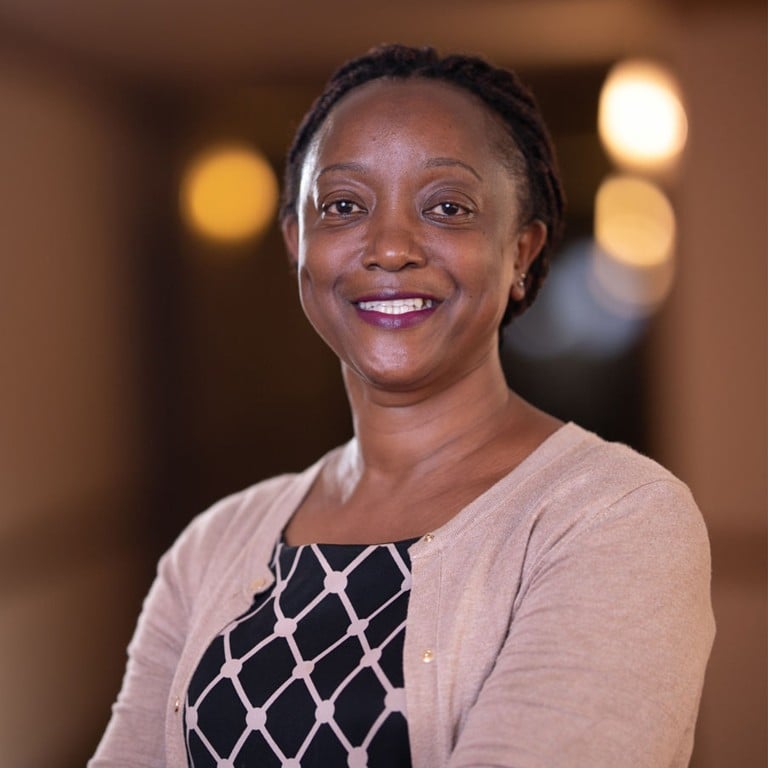
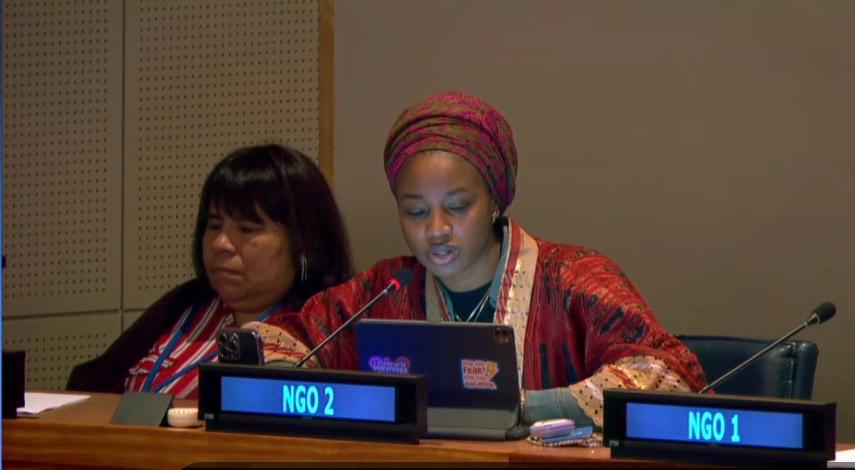
My name is Faizat Badmus-Busari, Regional Programme Manager at the Strategic Initiative for Women in the Horn of Africa – SIHA Network. SIHA is a regional feminist network working with over 250 women’s rights organizations across the Horn of Africa.
I would like to share one concrete example of what has measurably improved women’s access to justice in our context: the establishment of independent networks of women lawyers connected directly to women facing criminalization and gender-based violence.
In Sudan, for example, amid the ongoing conflict, many women have been arbitrarily detained and charged under Articles 50 and 51 of the Sudanese Criminal Code, accused of “collaborating” with armed actors and criminalized under morality laws. These charges carry the death penalty.
Women detained in these circumstances often have little or no access to independent legal representation. Many are assigned state counsel or remain without meaningful defense.
Through feminist networks, including lawyers, mediators, and paralegals supported by SIHA, we have been able to connect women detainees with independent legal representation.
The impact has been immediate and measurable. Seven women have been acquitted due to insufficient evidence, and thirteen women have had death sentences overturned on appeal. Beyond legal representation, our advocacy also prompted an official government directive following a visit to the prison, which led to the release of 402 women who had been arbitrarily detained on these charges.
These outcomes demonstrate an important lesson: access to justice improves when women-led legal networks are organized, supported, and able to act quickly.
However, across the Horn of Africa, the most significant structural barrier to justice remains the lack of accountability for violations against women and girls.
During a recent regional dialogue convened by SIHA on access to justice, panelists from multiple countries — including Sudan, Ethiopia, Somalia, and South Sudan — all pointed to the same reality: when violations occur without investigation, prosecution, or consequences, it creates a cycle of impunity.
This cycle discourages survivors from seeking justice, weakens trust in institutions, and allows violence against women to continue without consequence.
Breaking this cycle requires not only stronger legal frameworks, but also sustained support for the actors who make accountability possible.
Women-led organizations and feminist legal networks are often the first responders documenting violations, supporting survivors through legal processes, and pushing institutions to act.
As Member States and the UN advance commitments on gender equality and access to justice, we urge three priorities:
First, strengthen accountability mechanisms for violations against women and girls, particularly in conflict and fragile settings.
Second, invest directly in women-led legal aid organizations and feminist lawyer networks that provide independent representation and documentation.
And third, support gender-responsive justice systems, including training judicial officers and justice actors to address gender-based violence with survivor-centered approaches.
Because access to justice cannot exist where violations go unpunished.
Breaking the cycle of impunity is essential to ensuring that women’s rights are not only recognized but also protected.
Thank you.