SIHA STATEMENT ON WORLD DAY AGAINST TRAFFICKING IN PERSONS

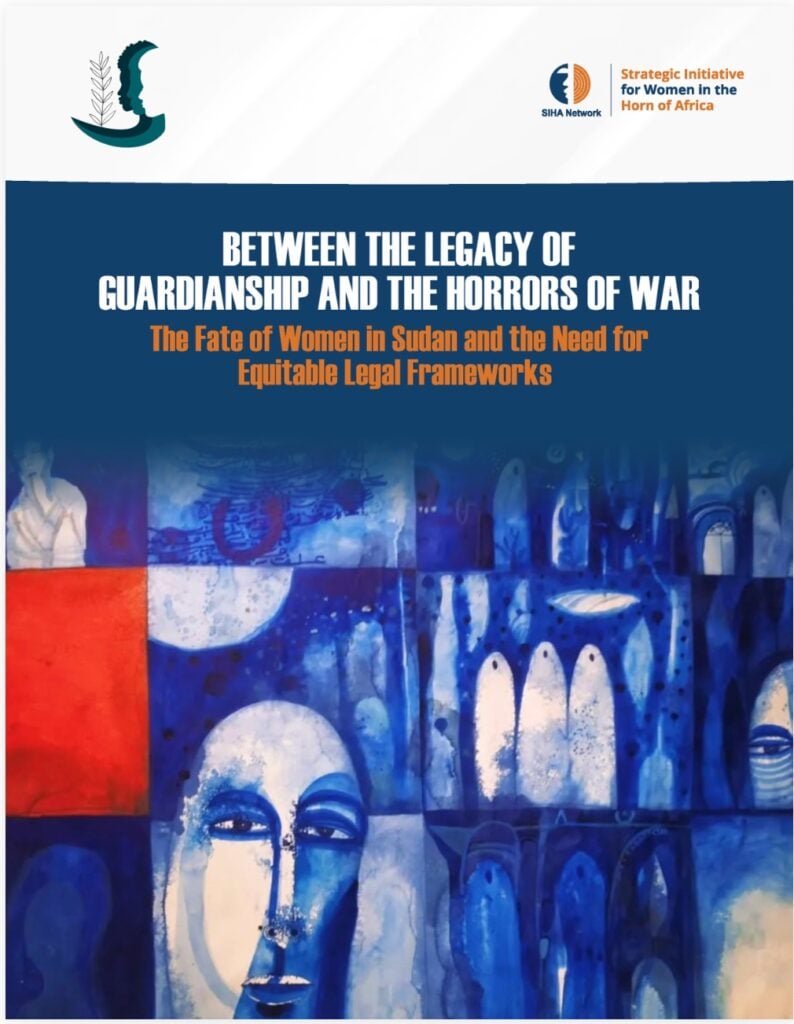
Artwork by Akilu Temesgen

Today marks the World Day Against Trafficking in Persons. Human Trafficking is an atrocious crime, which violates the basic rights and dignities that must be protected for all. Ethiopia is one of the many countries in the world that has been gravely affected by human trafficking.  In 2012, the Ethiopian government enshrined its commitment to protect citizens from trafficking with Proclamation No. 909/2015: The Prevention and Suppression of Trafficking in Persons and Smuggling of Migrants Proclamation. According to an article from the Hasanuddin Law Review[1] , this Proclamation is Ethiopia’s most comprehensive law addressing human trafficking. Despite this commitment on paper, human trafficking continues to be a prevalent issue, which particularly affects low-income women and girls.

In solidarity with all those who are affirming the essential work of first responders who provide support services for survivors of human trafficking, SIHA Network would like to spotlight the work of Good Samaritan Association (GSA). GSA is an association based in Ethiopia, whose activities focus on supporting and assisting low-income women and girls who are survivors of human trafficking. GSA reports that it is often difficult for people to recognize traffickers, because they cannot be reduced to a single stereotypical appearance or demographic category. Traffickers use a number of different tricks and strategies, including the use of very ‘normal people’ as the first point of contact to trap, recruit, or force people into being trafficked.

Many women and girls from Ethiopia who migrate in search of employment become trafficked into labor conditions to which they did not consent. Some of the women who have received support from GSA have shared accounts of their own experiences with migration and trafficking:

“I started thinking of migrating to Sudan when I saw that my friends who went there in search of a better life were successful and they were sending money to help better their family’s life. I found that appealing so I sold my father’s Ox and called a friend to get a broker’s number. Soon after, I met the broker and he told me to bring him 30,000 birr. I went to Addis Ababa, where the broker lived, and gave him 30,000 birr. He took me from Addis Ababa to Gondar-Metema, then Gedarf where we rested. During the trip we were given biscuits and water once daily. I felt sick and the journey was exhausting. Finally, we reached Sudan and stayed at the broker’s house for 4 days. He would take two people at a time and get them hired. I was employed at a house with 5 kids. He did not inform me about my salary. I had no idea how much I would earn.”

“The decision to migrate to the Middle East was more than a decision to seek better employment but to also realize my dream of becoming a runner. “

“Before my life as “migrant” I wasn’t unhappy. On the day I was supposed to leave the country, my friend who escorted me to the airport, introduced me to a man who I would come to know was an agent.  My first employment was in a large house with 10 rooms, all of which I was expected to clean on a daily basis. Food was not provided, nor did I get enough sleep, at which point I got sick. At this point I had already kept my promise to my friend and paid her the money in full. I also tried to get her help regarding my situation, but she disappeared.  After two months of suffering and exhausting all my possible options I was unable to continue and so I ran away.”

In addition to the search for economic opportunities, migrant women and girls report push factors such as exposure to sexual and gender-based violence (SGBV), harassment from family members, and peer pressure. These push factors result from institution, structural, and socio-political systems, which trap women and girls in positions that are particularly vulnerable to poverty, harassment, and violence. Human trafficking in Ethiopia has evolved into an organized and lucrative system. Traffickers have developed strategies for recruiting family members, women, teachers, government officials, and others. Often these recruited points of contact who assist traffickers are tricked into believing that what they are helping women and girls escape from poverty. In some cases, high payouts keep people from asking too many questions. According to GSA Director, Hirut Yibabe, the styles and approaches traffickers implement vary depending on the context. In cities and in schools, they typically approach young women posing as someone who wants help them, luring them with a fake promise of a better life. Whereas in rural areas, it might be the women themselves who approach the brokers or family members like uncles that are active players in the smuggling process. Traffickers have also been reported to point to the few returnee women who gained wealth from their work abroad in order to convince new recruits. Sometimes partners will agree between each other that the woman will go and work so that when she comes back the couple can build a better life. There have even been reports of men telling their lactating wives to the child and instead go out to make money for the family.

“They do not see the ones that died as a result of trafficking. There is a saying ‘it is either a box of money or a box of corpses.’”

Gaps in implementation and enforcement of the law also contribute to the high prevalence of trafficking in Ethiopia. There are reports of traffickers escaping accountability by bribing officials and returning to commit the same crimes without fear of arrest. One individual whose wife was trafficked to Saudi Arabia says ‘the traffickers are everywhere in the village and they have connections in major towns until you reach the sea and in Addis they are stationed in Merkato. They have a web, everyone knows they exist, it is not a secret, but they are normal people who live in our midst, even if we wanted to go and know the way, we cannot go anywhere, the local officials know and they get paid by them. When they get caught, they move to a different place, we know that the place they take us to is mini hell but we already live in the hell of poverty so we take it, they say those of us who return from these Arab countries are insane.”

GSA has been able to support survivors of human trafficking in pragmatic ways by providing temporary shelter, accommodating basic needs, providing counseling, availing seed money, and partnering with local authorities in acquisition of working spaces along with other returnees. Several of these survivors wanted to share pieces of their stories and comment on the impact GSA has made in their lives:

“By the time I was rescued by the IOM, I was already suffering from mental health problems. During my stay there I was provided with counseling, food, and shelter services. I was also able to regain my physical as well mental stability back and see my family again due to the support I got from the center. “

“I couldn’t imagine where I would end up right now if there were no organizations like these. I would have lived on the streets and be a beggar. During my stay at the GSA Shelter, I was provided with counseling, food, medical treatment and shelter services.”

“It’s been 6 months since I have returned, I am very thankful that I have survived, but I am scared to go back home without money. Nonetheless, GSA provided me with the necessary support to purchase livestock as a means of livelihood and also paid for my child’s driver license school.”

During the current global pandemic crisis, GSA is one of the leading local associations making impactful contributions to the fight against human trafficking and providing essential support to survivors. GSA’s contributions must be complimented by collective and committed efforts from diverse actors at multiple levels. From community development, to awareness raising, to economic empowerment, to setting up school clubs, to implementing legal frameworks that protect citizens and equally, the prevalence of human trafficking must be combatted on many level at once. An intricate and comprehensive strategy that addresses the root causes of human trafficking must be developed and implemented in collaboration with women from the grassroots and organizations that engage in activism on women’s rights.


RECOMMENDATIONS

  • The Ethiopian government should design effective mechanisms to break the chains of human traffickers by working in collaboration with civil society and the grassroots community. These mechanisms must be complimented by vigorous survivor-rights advocacy and awareness campaigns that are community-centered and developed in partnership with women’s rights and community-based organizations.


  • The living conditions and economic opportunities available to women and girls must be improved and negative gender-based norms, practices, and beliefs must be changed if we are to see a decline in human trafficking.


  • The international community should invest further in ensuring that their efforts to end human trafficking coordinate with local governments and grassroots communities, making space for women’s groups to influence strategy and implementation.


  • Law enforcement should ensure that no one is given impunity for human trafficking crimes, whether they are individuals citizens or government officials.


  • The Ethiopian government should build the capacity of local organizations that specifically work hard to combat trafficking by giving them working space for free, training, and financial support.


  • School curricula both at secondary and tertiary level should include training on identifying human trafficking and how to report this information.

[1] Zelalem Shiferaw Woldemichael. 2017. “Prevention of Human Trafficking in Ethiopia: Assessing The Legal Framework.” Hasanuddin Law Review 3 (3): 208–17.
Share the Post:

Ayan Mohamed Djama

Legal and Social Consultant

Ayan Mohamed Djama is a Legal and Social Consultant with strong expertise in judicial, port, and associative matters, and solid experience in designing, managing, and evaluating high-impact social, legal, and educational programmes. Internationally trained in Senegal, Kenya, France, and the United States, she supports NGOs, institutions, and private sector actors while leading community initiatives focused on the training, empowerment, and leadership of young women, girls, and youth to foster more just, inclusive, and resilient societies.

Bibiana Joseph Awad

SOUTH SUDAN PROJECTS OFFICER

Bibiana Joseph Awad holds a Master’s degree in Education in Emergency from the University of Juba. She is an activist and the Projects Officer at the SIHA Network in South Sudan, where she oversees critical initiatives focused on supporting survivors of gender-based violence (GBV). Bibiana manages the One Stop Centre at Wau Teaching Hospital, a facility that provides comprehensive services to GBV survivors, including medical care, psychosocial support, and legal assistance. She works closely with local communities, healthcare providers, legal institutions, and women’s coalitions to address the urgent challenges of GBV in South Sudan.

Through the One Stop Centre, Bibiana has strengthened the capacity of service providers and protection groups while advocating for the rights of women and girls affected by violence. In her free time, she enjoys reading books, listening to music, and engaging on social media.

Jackie Bless Pinyoloya

UGANDA PROJECT OFFICER

Jackie Bless Pinyoloya is the Project Officer at SIHA Network in Uganda; where she passionately champions feminist principles and gender justice. With a solid foundation in gender issues, advocacy, and economic empowerment for women, Jackie brings a wealth of expertise, particularly in the informal sector.

Currently pursuing a Master’s Degree in Gender Studies at Makerere University School of Women and Gender Studies, Jackie is committed to advancing her knowledge and understanding of gender dynamics. She also holds a Bachelor of Arts (BA) in Social Sciences with a major in Gender Studies from Makerere University Kampala, reflecting her dedication to exploring and addressing social inequalities.

In her role, Jackie combines her academic background with practical experience, contributing significantly to the organization’s mission of promoting gender equality and empowerment. Her dedication to feminist principles is evident in her work towards creating positive change in the lives of women in Arua and beyond.

Adla Abubker

SUDAN PROTECTION & EMERGENCY RESPONSE COORDINATOR

Adla Abubker is a women’s rights activist from Sudan with more than 15 years’ experience of working toward gender equality in Sudan. She holds a Bachelor’s Degree in Rural Development from Ahfad University for Women in Sudan. Her areas of expertise include working with grassroots communities, women’s economic empowerment, gender activism and negotiating with men to change inequitable attitudes.

Currently, Ms Abubker a Program Officer with SIHA in Sudan, where she oversees SIHA’s work on building women movement, and women in Islam, reforming gender-discriminatory legislation, and engaging youth on issues of gender, religion, and race. She believes that the link between religion and law is in dire need of reform, and that discriminatory interpretations of Islam are a root cause of violence against women in Sudan.

Neimat Abas

SUDAN COUNTRY COORDINATOR

Neimat Abas brings over ten years of experience in the nonprofit sector. She holds a bachelor’s degree in law from Juba University and a master’s degree in Gender and Governance from Ahfad University for Women in Sudan, where her research focused on women’s political participation at the local level. Neimat is currently the Coordinator for the SIHA Network in Sudan.

Before joining SIHA Network, Neimat worked with the Arab Association for Constitutional Law in Tunisia, Oxfam America in Sudan, and Women for Women International in Washington, DC. She has played a key role in the development, implementation, and ongoing enhancement of high-quality women’s empowerment programs in eight conflict-affected countries.

Neimat has also been actively involved in the leadership of the Students Association and various political and civil society organizations for several years. As a result, she has developed strong skills in working with university students to organize political campaigns, raise public awareness about civil rights, and build democratic organizations and institutions.

Yousef Ahmed Abdi (Timacade)

SOMALI REGION PROGRAMME COORDINATOR

Yousef Ahmed Abdi (Timacade) is a Lawyer and Legal Analyst holding a Master’s Degree in Law and Executive Management. Over the past decade, he has consistently demonstrated dedication through his work with national and international non-governmental organizations, focusing on critical areas such as human rights, program management, and research within Somalia and Somaliland.

Currently serving as the Somali Region Programme Coordinator for the SIHA Network, Yousef embodies not only legal prowess but also a deep commitment to women’s human rights advocacy. He is also known for his prolific blogging and commentary, dedicated to raising awareness about human rights issues. His unwavering dedication to gender equality propels him into the role of advocate for marginalized communities, striving to amplify their voices and effect transformative change. Yousef specializes in championing egalitarian ideals and advancing progressive reforms in the Somali region, with a particular emphasis on achieving gender parity.

Yousef is a valued member of the editorial board of the Women in Islam journal. His numerous writings delve into the intricacies of human rights, particularly those affecting Muslim women.

Zemdena Abebe

ETHIOPIA PROGRAM COORDINATOR

Zemdena Abebe is the founder of Afri-colors, a social-enterprise startup, curating made-in-Africa products, crafted by women. As a Pan-Africanist -womanist- she refuses to be erased and amplifies the voices of women through her research, writing, multimedia -storytelling, organizing, and activism: disrupting intersecting oppressive systems. Her social justice advocacy work started in high school; Chaired Addis Ababa Girls’ Forum– which facilitated discussions amongst girls laying the foundation for legislative intervention against sexual abuse in Ethiopia. As the first women president of Addis Ababa University Students’ Union: she reaffirmed the need and organized various youth-led movements despite the hostile university context. One of the 22 young African women selected as part of the writing for social change workshop organized by AWDF and FEMRITE in Kampala, Uganda. An alumnus of the prestigious Mandela Washington Fellowship.

Amongst her multilayered affiliations, she sits on the advisory council of ActionAid Ethiopia. Previously, she worked with UNICEF Ethiopia and consulted many other local and international organizations such as the EU, FEMNET.HBF, FHS, TRUST AFRICA, etc. Volunteered for the African Union (African Academy of languages in Bamako, Mali: as a research and Marketing Assistant. Zemdena is a graduate of Political Science & International Relations, who often likes to dance her way to freedom. Asserting the notion that African women, girls & non-binary folks have the right to a life free of heteronormative -capitalist -anti-black -patriarchal terror based on their overlapping otherness: her work reaffirms that human progress is achieved through imagining a better world through the realization of a transnational strong justice-centered human kinship. Zemdena’s writings of resistance can be found on Pambazuka, Africa is a Country, HBF, African Feminism et al

Ramatoulie Isatou Jallow

REGIONAL ADVOCACY & RESEARCH OFFICER

Ramatoulie Isatou Jallow (L.L.M Graduate in National Security Law, Georgetown, 2023 and in Human Rights and Democratization in Africa University of Pretoria, Centre for Human Rights, 2021) is a peace practitioner and attorney from Botswana and the Gambia, specializing in human rights, democratization, national security, conflict prevention and women, peace and security. In her previous professional experiences, she worked for the African Union, the United States Institute for Peace, and the Georgetown Center for National Security. Immediately before joining SIHA Network, Ramatoulie was also the Mary Frances Berry Senior Fellow at the Center for Ethics and Rule of Law, affiliated with the Annenberg Public Policy Center at the University of Pennsylvania. Here she led research on the military coups in the Sahel and West African region, civic education in the military and indefinite detention.

Her publications include Covid- 19 and Intrastate Armed Conflicts in Africa, Beyond the Outbreak: Creating a Sustainable Peace Culture in Botswana and Intergenerational Peacebuilding Among Women: Leveraging the Power of Collaboration, which she co-authored.

Outside of work, Ramatoulie is an avid reader, lover of poetry, culture, art and music.

Martin Maate Bwambale

REGIONAL HUMAN RESOURCE OFFICER

Martin Maate Bwambale is the Regional Human Resource Officer at SIHA Network, with over 8 years of progressive HR experience in both the private and not-for-profit sectors across the Greater Horn of Africa. As a member of the Human Resource Managers Association of Uganda, Martin is passionate about creating human capital-centric environments that foster a positive employee experience and contribute to the achievement of organizational goals. He is dedicated to helping individuals unlock their potential and become better versions of themselves by implementing sound HR practices and policies.

One of Martin’s key accomplishments includes serving as the Chairperson of the HR COVID-19 SOP Taskforce Committee, which was established by the Uganda INGO Country Directors Forum. He played a vital role in drafting standard operating procedures for workplace COVID-19 prevention, response, and control, as well as work-from-home policies, which were adopted in 2022.

Martin holds a Bachelor of Business Administration in Production and Operations from Bugema University and is currently pursuing a Master of Business Administration in Human Resource Management at Cavendish University.

Outside of his professional life, Martin enjoys playing soccer with C Club, a corporate soccer team in Kampala, Uganda, for health, leisure, and networking. He is also passionate about singing and traveling.

REGIONAL SENIOR FINANCE OFFICER

REGIONAL SENIOR FINANCE OFFICER

Sauda Kayaga is SIHA Network’s Regional Senior Finance Officer. A trained Statistician, she holds a bachelor’s degree in Statistics from Makerere University. Sauda has 2 years of experience in statistical research and analysis, 3 years in cashiering and banking, and over 5 years in project financial management. She has a strong aptitude for working with complex financial modelling and analysis and a deep understanding of financial systems and procedures. Sauda is highly passionate about her work and brings a keen attention to detail and expertise to every aspect of her role.

Justine Namuyanja

REGIONAL PROCUREMENT & COMPLIANCE OFFICER

Justine Namuyanja is the Procurement & Compliance Officer at SIHA Network, bringing over a decade of experience to the organization. Throughout her career at SIHA, she has made significant contributions to the finance, procurement, administration, human resources, and compliance sectors. Justine has consistently demonstrated her ability to manage procurement processes efficiently while ensuring compliance with both internal and external standards. Her expertise also includes optimizing operational workflows and improving the transparency and efficiency of financial systems, all of which are essential to the success of SIHA’s work. Justine’s role is also critical in upholding the integrity and accountability of SIHA’s operations.

Sandra Nassali

REGIONAL ADVOCACY & COMMUNICATIONS COORDINATOR

Sandra is an accomplished communication professional passionate about building knowledge and conducting strategic advocacy initiatives that advance the rights of women and girls.

In addition to feminist activism works, she has, in the last 15 years, pursued her career ambitions in areas of climate change mitigation and adaptation, agriculture and food security, social enterprise development, public health, as well as ICT for Development.

Sandra holds a Master of Arts in Development Journalism and Communication (Strategic & Corporate Communication Management major), plus a Bachelor of Mass Communication (Public Relations & Marketing major) from Makerere University in Kampala Uganda.

Furthermore, she holds a Post Graduate Diploma in ICT for Development and Social Good from the Spanish Telecentres and ICT Spaces Academy in Spain.

Twitter: @SandraNassali

Shinaz Rehema Ali-Zaids

REGIONAL GRANTS AND CAPACITY BUILDING COORDINATOR

Shinaz Rehema Ali-Zaids (She/Her) is a passionate and dedicated advocate for social justice. Her professional journey has focused on women’s rights, marginalized communities, natural resource governance, and climate change. With over a decade of experience in the women’s funding sector, she has offered strategic guidance to international organizations on community-driven, participatory grantmaking.

Deeply committed to her local Nubian community, Shinaz actively engages in local initiatives and serves on various boards to amplify the voices of marginalized groups. Her work addressing human rights gaps at the grassroots level has shaped her passion for strengthening social systems that protect the rights of vulnerable populations. A strong advocate for wellness, Shinaz prioritizes self-care and collective care within teams, recognizing that sustainable social change is rooted in both individual and collective well-being.

Throughout her career, Shinaz has collaborated closely with women to develop long-term, sustainable solutions to their most pressing needs. Her expertise in movement building has been key to expanding programs across diverse regions of Africa. In her current role as the Regional Grants and Capacity Building Coordinator, she supports SIHA Network’s country teams in executing impactful work and scaling their initiatives. Shinaz also provides critical support to women and communities in conflict and post-conflict settings, ensuring their safety, security, and ongoing activism in advancing women’s rights.

Mercy Apiyo Owuor

REGIONAL COORDINATOR: MONITORING, EVALUATION & LEARNING

Mercy is a Public Health Professional with a keen interest in gender equality, equity, and social inclusion. She has over 15 years of experience in programme design and management, as well as monitoring, learning, and evaluation.

This is expertise Mercy has gathered by managing and coordinating multiple projects while working with government entities and civil society organisations at the grassroots, national, and international levels.

Mercy holds a Master of Community Health and Development from the Great Lakes University of Kisumu, and a Bachelor’s Degree in Sociology from Moi University in Eldoret Kenya.

Twitter: @MercyOwuor2

Mayada Eltayeb

HEAD OF FINANCE & ADMINISTRATION

Mayada Eltayeb is the Head of Finance and Administration at SIHA Network. She joined the organization in 2008 with over a decade of experience in finance and organizational management, leading SIHA’s strategic financial planning and resource management. Born in Sudan and raised in the United Arab Emirates, Mayada earned her bachelor’s degree in accounting from Ahfad University in Sudan in 2005.

Before joining SIHA, she had gained extensive experience working with various audit and accounting firms, refining her skills in financial analysis and reporting. Under her leadership, SIHA’s Finance and Administration division has strengthened financial processes and policies, ensuring compliance, transparency, and the effective allocation of resources. Mayada’s efforts have been pivotal in supporting the organization’s sustainability and operational excellence. She has also completed several specialized training courses in NGO financial management in Uganda and South Africa, further enhancing her expertise and leadership capabilities.

Faizat Badmus-Busari

REGIONAL PROGRAMME MANAGER

Faizat Badmus-Busari is the Regional Programme Manager at SIHA Network. With a strong background in program management and a Doctor of Juridical Science (SJD) degree from Emory University School of Law, she expertly navigates the crossroads of gender, law, religion, and social justice, serving marginalized communities, especially women and girls.

Before SIHA, Faizat held significant positions in international organizations like The Carter Center and various United Nations agencies. There, she managed projects ranging from grassroots efforts to global initiatives, focusing on gender equity, social inclusion, democracy, and human rights. At SIHA, she oversees the network’s regional programs, ensuring the mission and vision are effectively carried out across the Horn of Africa. Faizat brings her extensive gender-transformative, legal, and program management expertise to the role. Guided by a belief in collective action and intersectional feminism, Faizat collaborates with organizations and partners to promote women’s rights, peacebuilding, and social justice in the region.

Hala Al-Karib

REGIONAL DIRECTOR

Hala Al karib was born and raised in Sudan and later lived in Canada. She currently lives and works in Uganda. She has lived and worked in South Sudan, Kenya and Egypt as well the Eastern and Horn of Africa for over 20 years. Hala’s work specifically focuses on women and girls rights activism and social movement as well as refugees and displaced persons and minority community’s challenges. She has wide and comprehensive expertise on the Horn and Eastern Africa regions, as a civil society worker/activist, and social and gender research practitioner. Her educational background is on Human rights, women studies and Psychology. In addition to her work as the Regional Director of SIHA Network, she worked for various international and regional organizations/institutions among them; The College of Social & Economic Studies, Juba University in South Sudan where she worked as a Research Assistant; The sociology department at the American University in Cairo as an Assistant Researcher; Immigrant Women of Saskatchewan Inc. in Canada as the Program Director; Trocaire, an Irish Organization as Grant Officer based in Sudan. She has also worked as a consultant with various international and UN Humanitarian organizations, including; Goal Ireland, World University Services, Accord International and Concern International.

She is a regular contributor to many online and print media outlets. Her writing is focused on activism, women’s rights and social justice. Some of her recent articles are published in: Aljazeera, Open Democracy, Sudan Tribune The Pambazuka, the New Humanitarian and the East African Newspaper. She is the Editorial head of SIHA Journal – Women in Islam in the Horn of Africa (Arabic & English).

Twitter: @Halayalkarib

Kadra Omar

Kadra is a Social Worker from Djibouti currently working with the Ministry of the Promotion of Women & Family Welfare & Social Affairs- Djibouti. She is also a member of the Djiboutian Women’s Union. Kadra currently serves on the Program Advisory.

Dr. Lyn Ossome

Dr. Lyn Ossome is the Director of the Makerere Institute of Social Research (MISR), Makerere University. She received her PhD in Political Studies from Wits University. Her specializations and taught courses are in the fields of feminist political economy and feminist political theory, with particular research interests in land and agrarian studies, gendered labour, queer feminist histories and the political economy of gendered violence. She currently serves on the Program Advisory

Aluel Atem

Aluel Atem is a seasoned development economist, blogger, and African Feminist Activist hailing from South Sudan. With over eight years of dedicated experience, her primary focus has been on gender and conflict transformation. Currently serving as a Senior Program Officer at the United States Institute of Peace (USIP), Aluel holds the role of USIP’s In-country (Kenya) lead for the Border Security Training Program (BSTP). In addition to her role at USIP, Aluel is a co-founder of two women’s rights initiatives: Ma’ Mara Sakit Village and Crown the Woman-South Sudan, both based in South Sudan.

Rose Baryamutuma

Rose is a programme monitoring and evaluation expert with over 15 years of experience providing specialized services for program design, organization capacity assessments, facilitating training and M&E. She has also provided technical support to institutions to develop and cost strategic plans. Rose has broad research experience/evaluation in the areas of HIV and AIDS, Sexual and Reproductive Health. As GBV Focal Person she provides technical support to the GBV National TWG on general program and M&E specifically.

Kimberley Armstrong

Kimberley Armstrong holds a PhD in Anthropology from McGill University in Canada. Her research focused on transitional justice, conflict, and displacement in Northern Uganda, with previous studies on rural-to-urban migration of women in Senegal. She is currently working with the Ministry of Social Development and Poverty Reduction in Vancouver, British Columbia, Canada, as the Manager of Program Evaluation and Reporting. Prior to joining the Ministry, she served as SIHA Network’s Regional Programmes Manager for over six years.

Jemimah Naburri-Kaheru

Currently serving as the Association for Women’s Rights in Development [AWID]’s Deputy Director of Human Resources, is an accomplished international Human Rights [HR] strategist with a significant experience in the Horn of Africa region. With a background in Development Studies from Makerere University (Uganda) and an ongoing MBA in Human Resource Management, Jemimah is dedicated to continuous professional development. Her contributions to building high-performance workforces and her leadership in international HR make her an invaluable asset to any global enterprise. Additionally, Jemimah serves as the Program Advisor, supporting with operations at SIHA Network.

Abdifatah Hassan Ali

Abdifatah is a Somali human rights defender with extensive experience in advocacy within the civil society arena. He is the Founder of the Digital Shelter – a local initiative founded in March 2018 by activists who are passionate about the intersection between technology and human rights in Somalia with the aim of promoting digital safety, digital rights and inclusion and internet freedom in the growing digital civic space of Somalia. He holds a Masters Degree in Human rights. Currently works for the UN as a Human rights officer in Somalia

Guleid Ahmed Jama

​Guleid is an active human rights defender and an Attorney at law the Xaqdoon Law Firm​, based​ in Somaliland. He is the ​C​o-founder and former ​C​hairperson of Human Rights Center (HRC), a human rights advocacy organization ​also based in Somaliland. ​​Guleid currently serv​es​ as a Program Advisor.

Asmahan Hassen

Ms. Asmahan is one of the founders of SIHA, currently serving as Advisor to the SIHA Board. She is currently Chairperson of Nagaad Network in Somaliland. She has also served as Chairperson of the Somaliland Women’s Research and Action Group (SOWRAG). Asmahan is actively involved in the Somaliland women rights arena as a women human rights defender. Her tenure spans 23 years. She is a graduate of Arts and Humanities from the University of Khartoum.

Peace Twine Kyamureku

Peace Twine Kyamureku is the Executive Director of the Ruth Fund Uganda. She is a secondary school teacher by profession, holding a Master of Arts Degree from Makerere University and has trained in Gender, Human Rights and Civil Society Studies. She currently serves on the Advisory to the SIHA Board.

Saba Gebremedhin

Saba is currently the Executive Director of the Network of Ethiopian Women’s Associations (NEWA), a member organization of SIHA Network. Saba is a Lawyer in the Ethiopian Courts of Law by training and profession having served as a Special Prosecutor. She is also one of the founders of the Ethiopian Women Lawyers Association (EWLA). In her tenure, she has served as a Consultant at the IGAD Gender Unit and the African Union Women, Gender and Development Directorate (WGDD).

Kaltun Hassan

Ms. Kaltun is a Gender Expert and Women Rights Activist from Somaliland. She has served in a number of positions within civil society organizations advocating for, and working in women’s rights, gender equality, and peace-building. She serves on the Board of Directors of Women Advocacy and Progress organization (WAAPO). Kaltun was recently re-elected as the only woman on the Somaliland Electoral Commission.

Fadwo Hassan

Fadwo Hassan Jimale is a Somali woman rights activist with experience spanning 10 years in gender-mainstreaming and social protection of women and children in Somalia. I have Ten (10) years’ experience in excellence of general protection and development of gender mainstreaming. Her experience in GBV survivor work in Somalia has necessitated her participation in women’s movement-building work particularly with the women and Child Cluster in Somalia. Fadwo has represented SIHA in a number of national and regional spaces contributing to SIHA’s mandate of advocating for the acknowledgment of women rights in view of the lived realities of women and girls in the region.

Rigbe Gebrehewariat Hagos

Rigbe is a passionate women rights activist from Ethiopia, trained as a Lawyer and Social Worker, who has dedicated her career to advocating for people with disabilities, especially women. She works to spread awareness about people with disabilities and what they are able to achieve. She is the Co-founder and treasurer of Ethiopian Lawyers with Disabilities Association (ELDA), Co-founder and board chair of Setawit and a member of the United Nations Women Civil Society Advisory Group She is also a 2016 Mandela Washington Fellow. Rigbe sits on the Board of Directors of the Ethiopian Women Lawyers Association (EWLA) – a member of SIHA Network. She currently serves on the SIHA Board of Directors.

Zabib Loro Musa

Zabib Loro Musa is the Executive Director of Women for Justice and Equality (WOJE), a feminist advocacy organization dedicated to advancing and advocating for the rights of women in marginalized communities across South Sudan. At WOJE, she leads the organization’s efforts to implement the Women’s Peace and Security agenda in grassroots communities throughout South Sudan.

Keltun Qasim

Kaltun Qasim is the Director of Women’s Human Rights Education and Environment in Somaliland. Her organization works in different rural and urban centres in Somaliland and has been a member of SIHA for more than 10 years.

Lillian Byarugaba Adriko

Lilian Byarugaba Adriko is the CEO of FIDA-Uganda and is a very well known woman advocate and rights defender in the country playing a significant role in improving the status of women by promoting their socio-economic rights and justice and advancing gender equality within Uganda.

Omayma Elmardi

Ms. Omayma Amin Elmardi is the Director at the National Sudanese Women Association (NSWA) a member organisation of SIHA Network. She holds a Bachelors of Science from Cairo University – Khartoum branch, a Post-graduate Diploma in Development Studies and a Master of Science in Development Planning from the Development Studies and Research Institute (DSRI) University of Khartoum. Omayma currently serves as the Chairperson of the SIHA Board of Directors.